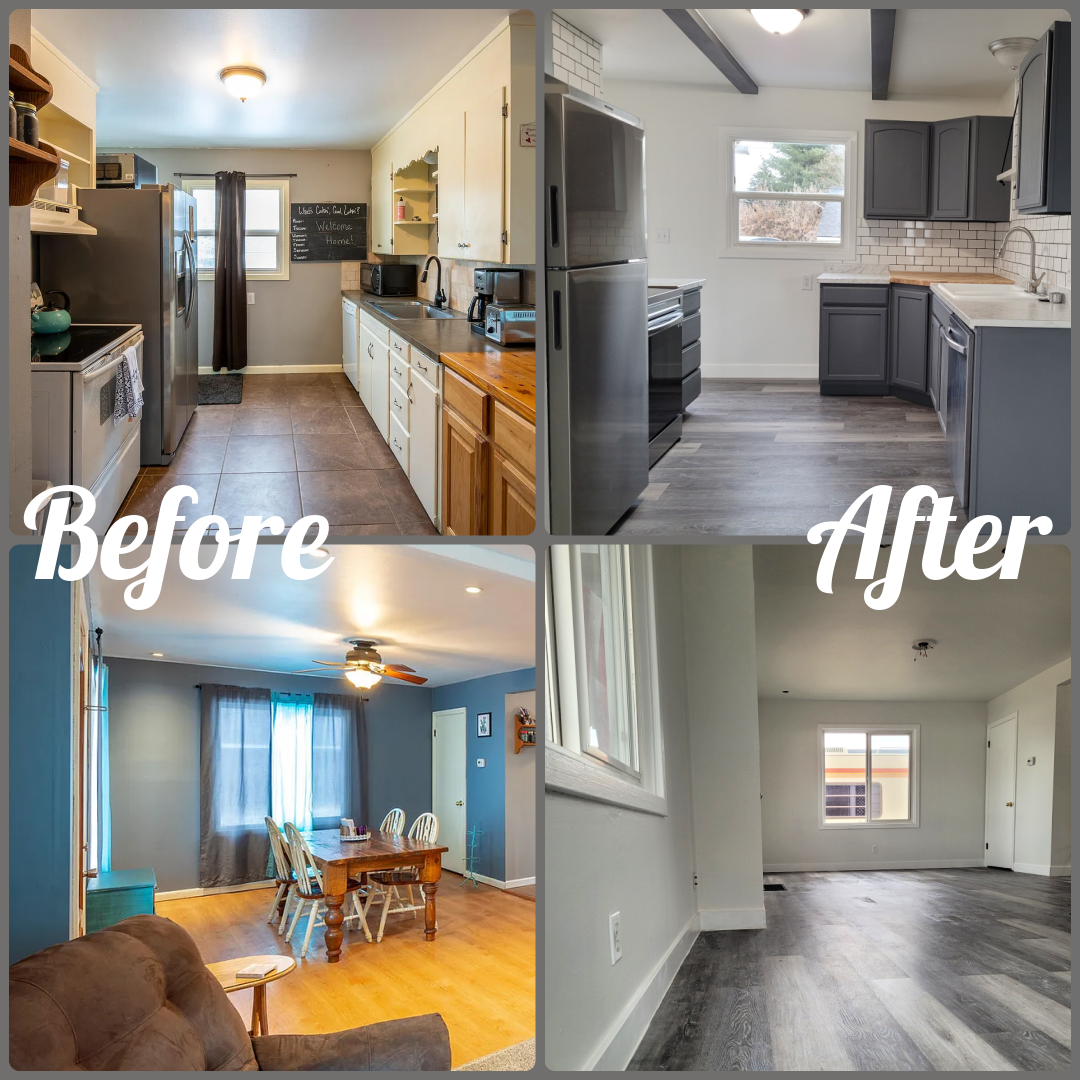
Buying a Fixer-Upper? What to Look for Before You Make an Offer
There’s something exciting about a fixer-upper.
Maybe it has the location you want, the yard you love, or a price that makes you think, We could turn this into exactly what we want.
And sometimes, you absolutely can.
But before you make an offer based on what the house could be, it’s important to take a good look at what you're actually buying.
A house that needs new paint, flooring and updated finishes is one thing. A house that needs structural work, major system upgrades and a complete reconfiguration is something very different.
The difference isn't always obvious when you're walking through with a real estate agent.
Here are some things we recommend thinking about before falling in love with the potential.
Look Beyond the Paint and Flooring
Cosmetic problems are usually the easiest part of a fixer-upper.
Old carpet, outdated cabinets, ugly paint colors, worn flooring and dated fixtures can make a house look like it needs a tremendous amount of work when the underlying house is actually in good shape.
Those things can also make a property look worse than it really is.
The opposite can be true, too.
Fresh paint and new flooring can make a house look great while bigger problems are hiding underneath.
When you're walking through a potential fixer-upper, try to separate what you don't like from what actually needs to be fixed.
You can change paint.
You can change flooring.
You can change cabinets.
Changing the basic structure or layout of the house is a much bigger conversation.
Pay Attention to the Layout
One of the biggest questions to ask is whether the existing layout can realistically become what you want.
Maybe you want a larger kitchen.
Maybe you want to open the main living area.
Maybe you want to add another bathroom, create a primary suite, or turn an unused space into an office.
Before assuming that a wall can come down or a room can be moved, consider what's behind it.
Is it structural?
Are there plumbing lines in the way?
Is electrical work going to be complicated?
Will moving one room create problems somewhere else?
A house with an imperfect layout isn't necessarily a bad investment. In fact, sometimes the layout is exactly what makes a fixer-upper worth considering.
But you want to understand the possibilities before you make an offer—not after you own the house.
Don't Ignore the Major Systems
This is where a little extra caution can save you from a very expensive surprise.
Pay attention to the age and condition of things like:
Roofing
Electrical
Plumbing
Heating and cooling
Water heaters
Windows and exterior doors
Foundation and drainage
Insulation
You don't necessarily need everything to be new.
An older home can still be a fantastic home.
The important thing is knowing what you're working with and what may need attention soon.
If you're planning to spend $50,000 remodeling the kitchen and bathrooms, but the house also needs major electrical, plumbing and structural work, that changes the overall project considerably.
Look for Signs of Structural Problems
Some problems are more concerning than others.
Cracks, uneven floors, doors that don't close properly, water intrusion, significant settling or other unusual conditions are worth investigating before you assume they're just part of an older house.
This doesn't mean every crack is a disaster.
It means you shouldn't build your renovation budget around the assumption that every problem is cosmetic.
If something catches your attention during the walkthrough, find out what it is.
Sometimes the answer is simple.
Sometimes it requires a professional evaluation.
Either way, it's much better to know before you buy.
Think About Permits Before You Make Big Plans
If your dream for the house involves moving walls, adding rooms, changing plumbing or electrical, finishing previously unfinished space, or building an addition, don't assume every idea will automatically be allowed.
Permitting requirements can affect both your budget and your timeline.
Your plans may also be affected by existing conditions, property limitations or local requirements.
That's one reason it's helpful to think about the renovation as a project—not just a collection of individual improvements.
Before you decide that a house is a bargain because you can "just remodel it," make sure the remodel you're imagining is actually realistic.
Calculate the Renovation—Not Just the Purchase Price
This is probably the biggest mistake we see people make when thinking about fixer-uppers.
They look at the purchase price and the finished value, then estimate the renovation based on what they think individual projects should cost.
But major remodels aren't usually just a list of materials.
There can be demolition, preparation, framing, electrical, plumbing, drywall, flooring, cabinetry, countertops, tile, painting, permits, finish work and all of the little things that connect those pieces together.
And once walls start opening up, you may discover conditions that weren't visible during the initial walkthrough.
That's why it's important to leave some room in the budget for the unexpected.
A fixer-upper can still be a great opportunity. You just don't want the entire deal to depend on everything going perfectly.
Think About the House You Want to End Up With
Here's the fun part.
Once you've looked at the problems, look at the potential.
Can you create the kitchen you've always wanted?
Could an awkward floor plan become a great open living space?
Is there room for the bathroom you've been missing?
Could an addition give your family the space you need without leaving the neighborhood you love?
A fixer-upper doesn't have to be perfect when you buy it.
It needs to have potential that makes sense.
The best renovation opportunities aren't necessarily the houses that need the least work. They're the ones where the existing house, property and renovation goals come together in a way that makes sense.
Don't Let the Purchase Happen Before the Plan
If you're seriously considering a fixer-upper, one of the smartest things you can do is start thinking about the renovation before you make the offer.
You don't need a complete set of construction drawings or a finished material list.
But you should have a realistic idea of what you're trying to accomplish, what the house needs, and what kind of investment you're potentially taking on.
Even a conversation with a contractor can help you look at the property differently.
Instead of walking through asking, "Can I live with this?" you can start asking, "What would it take to turn this into the house I actually want?"
Those are two very different questions.
A Fixer-Upper Can Be a Great Opportunity—If the Numbers Work
There is nothing wrong with buying a house that needs work.
Some of the most rewarding homes are the ones that start out a little rough around the edges.
The key is going into it with your eyes open.
Look past the ugly finishes, but don't overlook the expensive problems. Think about the layout, investigate the major systems, understand what your renovation plans could involve, and build a realistic budget before deciding that you've found a bargain.
Because the goal isn't simply to buy a fixer-upper.
The goal is to buy a house where the work required to create the home you want actually makes sense.
Thinking about buying a home that needs some work? Mr. Clean Fix can help you think through the renovation possibilities and what it may take to get the house where you want it to be.
Sometimes a fixer-upper is exactly the opportunity you're looking for.
And sometimes, taking a closer look before making the offer can save you from buying someone else's expensive surprise.
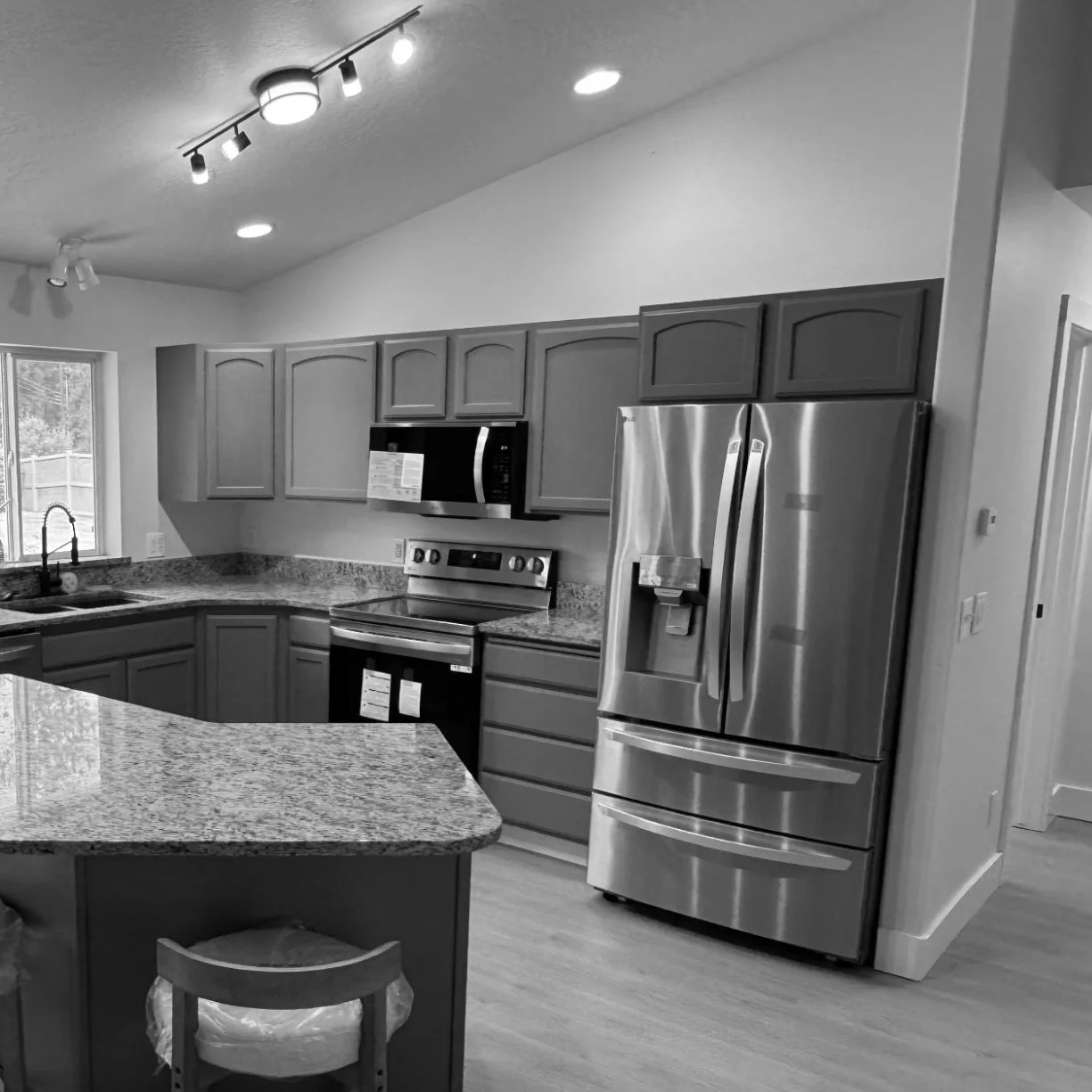
What Homeowners Should Know Before Starting a Kitchen Remodel
With Labor Day weekend here, we're taking a moment to appreciate something we know pretty well at Mr. Clean Fix: good work takes planning, skill, and a lot more behind the scenes than most people ever see.
A kitchen remodel is a perfect example.
From the first conversation about what isn't working in your current kitchen to the final cabinet adjustment and backsplash detail, a successful remodel involves dozens of decisions—and plenty of skilled work along the way.
If you're thinking about remodeling your kitchen, here's what we think homeowners should know before construction begins.
Start With How You Use Your Kitchen
Before you start picking out countertops or scrolling through cabinet colors, think about what's actually frustrating you about your current kitchen.
Is there not enough counter space?
Do people constantly get in each other's way?
Is the refrigerator in an awkward location?
Do you need more storage?
Is there nowhere for someone to sit and hang out without being in the cooking area?
A beautiful kitchen that doesn't function well isn't much of an upgrade.
The best kitchen remodels start with how you actually live in the space.
That means looking at traffic flow, work areas, storage, appliances, seating, and the way your family uses the kitchen on an ordinary day—not just how the room looks in a picture.
The Layout Comes Before the Cabinets
It's tempting to start with cabinets because they're one of the most visible parts of a kitchen remodel.
But the layout should come first.
Where should the refrigerator go? Where will food be prepped? Where will the sink and dishwasher sit? Is there enough room around an island? Can two people work in the kitchen at the same time without constantly bumping into each other?
These decisions affect almost everything that comes afterward.
And this is where remodeling can become much more than simply replacing old cabinets with new ones. Sometimes the best solution involves moving a wall, relocating plumbing, changing electrical, or completely rethinking the existing layout.
That's why planning matters so much.
Cabinetry Is More Than a Color Choice
Once the layout is right, cabinetry becomes one of the biggest decisions in the project.
Of course, style matters. Cabinet color, door style, hardware, and finish all contribute to the overall look.
But what's inside the cabinets matters just as much.
Think about how you store pots and pans, where you want your spices, how often you use certain appliances, and whether drawers or doors make more sense for the way you work.
A well-designed kitchen doesn't just give you more storage.
It puts the storage where you actually need it.
Countertops Need to Work With the Whole Design
Countertops are another major visual element, but they're also one of the surfaces that gets used constantly.
When choosing a countertop, consider durability, maintenance, color, edge profile, and how it works with the cabinets, backsplash, flooring, and other finishes.
You don't necessarily need the most expensive material available.
You need the right material for the way you use your kitchen and the overall design you're trying to create.
A high-end remodel is about making intentional choices—not automatically choosing the highest-priced option.
Don't Forget the Appliances
Appliances can have a surprisingly large impact on your kitchen layout.
The size and location of the refrigerator, range, oven, dishwasher, microwave, and other appliances need to be considered before cabinetry is finalized.
This is especially important if you're changing appliance locations.
Moving an appliance can mean moving electrical, plumbing, gas, or ventilation as well. Those decisions are much easier to address during the planning stage than after the cabinets have already been installed.
Lighting Is Part of the Design
One ceiling light isn't a lighting plan.
A well-designed kitchen typically needs a combination of general lighting, task lighting, and accent lighting.
Think about where you'll actually be working. Countertops can look beautiful during the day but become frustrating at night if you're standing in your own shadow while preparing dinner.
Under-cabinet lighting can make a huge difference. So can thoughtfully placed recessed lighting, pendants, and lighting over an island or dining area.
Lighting should be planned before the walls and ceilings are finished, especially when new electrical work is involved.
Plumbing and Electrical Are Part of the Remodel
The things you don't see can be some of the most important parts of a kitchen renovation.
Moving a sink means plumbing.
Changing the range may mean electrical or gas work.
Adding appliances may require additional circuits.
Adding lighting means electrical planning.
And opening walls can reveal existing conditions that need to be addressed before the new kitchen can come together.
This is one of the reasons we encourage homeowners to think about the entire project before construction starts. A kitchen remodel isn't just cabinets and countertops. It's the systems behind those finishes that make the kitchen function.
The Order of Operations Matters
A kitchen remodel has a sequence for a reason.
Depending on the project, demolition may come first, followed by framing or structural changes, plumbing and electrical work, drywall and finishing, flooring, cabinetry, countertops, backsplash, fixtures, appliances, and final details.
Not every kitchen follows exactly the same sequence, but the important thing is that the work needs to be coordinated.
You don't want to install something today only to have another trade come back tomorrow and undo part of it.
Good scheduling keeps the project moving and helps prevent unnecessary rework.
The Cheapest Estimate Isn't Always the Best Value
A kitchen remodel is a significant investment, and it's completely reasonable to compare estimates.
But make sure you're comparing the scope of work, not just the bottom-line number.
Are the same materials included?
Is electrical work included?
What about plumbing?
What happens if something unexpected is found behind the walls?
Who is coordinating the different parts of the project?
What level of finish and craftsmanship should you expect?
A lower estimate isn't necessarily a better deal if important parts of the project aren't included.
A Kitchen Remodel Is Skilled Work
That's probably the biggest thing we want homeowners to take away this Labor Day weekend.
A finished kitchen may look simple when you walk into it.
Cabinets. Countertops. Appliances. Lights. Flooring.
But behind that finished room is planning, measuring, demolition, carpentry, electrical work, plumbing, installation, finishing, problem-solving, scheduling, and a lot of attention to detail.
The better all of those pieces work together, the more natural the finished kitchen feels.
And that's the goal.
You shouldn't walk into your remodeled kitchen and think about all the work that went into making it function.
You should simply think:
"This makes so much more sense."
Planning a Kitchen Remodel?
At Mr. Clean Fix, we believe the best kitchen remodels start with a conversation—not a cabinet catalog.
If your kitchen is outdated, doesn't function well, or simply no longer fits the way your family lives, we're happy to help you look at the possibilities.
Whether you're considering a kitchen update, a larger kitchen renovation, or a complete remodel involving layout, electrical, plumbing, cabinetry, countertops, lighting, and finishes, we'll help you look at the project as a whole.
This Labor Day weekend, we're grateful for the homeowners who trust us with their homes—and for the skilled work that turns an idea into a finished space.
Ready to start planning your kitchen remodel? Let's talk.
Planning a Major Home Remodel? 7 Decisions to Make Before Construction Begins
A major home remodel is exciting. You're finally getting the kitchen you've wanted, transforming an outdated bathroom, opening up your living space, or making changes that allow your home to work better for your family.
But before the demolition begins, there are some important decisions that need to happen first.
The planning stage of a remodel can have a bigger impact on the final result—and the final cost—than many homeowners realize. Taking the time to establish a clear plan can help prevent delays, unexpected expenses, and changes that become much more difficult once construction is underway.
If you're considering a major renovation, here are seven decisions worth making before construction begins.
1. Establish Your Budget
The first step isn't picking out tile or looking at paint colors. It's establishing a realistic budget for the entire project.
A remodeling budget should account for more than just labor and the obvious materials. Depending on the project, there may also be costs for permits, demolition, disposal, electrical or plumbing upgrades, structural work, fixtures, finishes, and other items that aren't always visible at the beginning.
It's also wise to leave room for the unexpected.
Older homes in particular can reveal surprises once walls, floors, or ceilings are opened up. Having a contingency built into the budget gives you some flexibility if an unforeseen issue comes up.
A good contractor can help you understand where your budget is likely to go and where you may want to prioritize your investment.
2. Clearly Define the Scope of Work
"Remodel the kitchen" sounds straightforward, but what does that actually include?
Are you replacing cabinets and countertops? Moving walls? Changing the flooring? Updating electrical? Adding lighting? Relocating plumbing? Replacing appliances? Painting? Installing new trim?
The more clearly the scope is defined before work begins, the easier it becomes to create an accurate estimate and schedule.
This is also the time to think about what you don't want to do.
If you're already opening walls for one part of the project, it may make sense to address certain related improvements at the same time. On the other hand, adding unrelated projects halfway through construction can quickly affect both the budget and timeline.
A clearly defined scope helps everyone start the project with the same expectations.
3. Think About the Layout Before the Finishes
It's easy to get excited about countertops, flooring, tile, cabinets, fixtures, and paint.
But the layout should come first.
Before choosing finishes, think about how you actually use the space.
Would moving a wall improve the flow? Would relocating a doorway make the room more functional? Does the kitchen have enough workspace? Is there adequate storage? Would changing the bathroom layout create a better shower or more useful vanity area?
These decisions are much easier to make on paper than after construction has started.
A high-quality remodel isn't simply about replacing old materials with new ones. It's an opportunity to make your home function better than it did before.
4. Choose Materials and Finishes Early
Once the scope and layout are established, it's time to start making material selections.
This includes things such as:
Flooring
Cabinets
Countertops
Tile
Plumbing fixtures
Lighting
Doors and trim
Paint colors
Hardware
Appliances
Making these decisions early can help prevent construction delays and allows the different elements of the project to work together.
It also helps with budgeting. A significant difference in price can exist between different materials that may look similar at first glance.
You don't necessarily need to choose the most expensive option. The goal is to select materials that fit your budget, your home, your lifestyle, and the overall design.
5. Understand Permits and Structural Requirements
Depending on the project, permits and inspections may be required.
Projects involving structural changes, electrical work, plumbing, additions, or significant alterations to a home can have requirements that need to be addressed before construction begins.
This is one reason working with an experienced general contractor can be valuable. A contractor can help identify what needs to be addressed during the planning process rather than discovering a permitting or code issue after work is already underway.
The exact requirements will depend on the location and the scope of the project, so it's important to address them early.
Permits aren't the most exciting part of remodeling, but they are an important part of doing the job correctly.
6. Choose the Right Contractor
Perhaps the most important decision you'll make is who will actually manage and perform the work.
For a major remodel, you're not simply hiring someone to complete a list of tasks. You're trusting a contractor with your home, your investment, your schedule, and your expectations.
When evaluating a contractor, look beyond the lowest number.
Ask about experience with projects similar to yours. Look at completed work. Read reviews. Make sure you understand what is included in the scope of work and how changes will be handled.
Communication matters, too.
A major renovation can involve dozens of decisions throughout the process. You want a contractor who will communicate clearly, explain issues when they arise, and keep the project moving forward.
The right contractor should feel like a partner in the project—not simply someone who shows up to perform the work.
7. Plan for Changes Before Construction Starts
Even the best-planned remodel can encounter surprises.
But there's a big difference between a necessary change and a change that could have been avoided with better planning.
Changing your mind about the layout after walls have been framed, ordering materials after construction has already started, or deciding to add another project halfway through can create additional labor, material costs, and delays.
That's why the planning stage is so important.
Walk through the project carefully before construction begins. Think about how you want the space to function. Make your major design and material decisions as early as practical. Ask questions about anything you don't understand.
The more decisions you can make before the first wall comes down, the fewer decisions you'll have to make while the crew is standing there waiting.
Don't Rush the Planning Stage
There can be a temptation to get started as quickly as possible once you've decided you're ready to remodel.
But spending a little more time planning can save significantly more time—and money—during construction.
A well-planned remodel has a clear scope, realistic budget, thoughtful layout, appropriate materials, necessary permits, and a contractor who understands the plan.
And perhaps most importantly, everyone involved knows what the finished project is supposed to look like.
Ready to Start Planning Your Remodel?
At Mr. Clean Fix, we believe a successful remodeling project starts long before construction begins.
Whether you're planning a kitchen or bathroom remodel, an addition, a whole-home renovation, or another major improvement, we're happy to discuss your goals and help you understand what goes into turning that idea into a finished project.
The best time to solve a remodeling problem is before construction begins.
If you're considering a major home remodel in Coeur d'Alene or the surrounding North Idaho area, contact Mr. Clean Fix to schedule a consultation.
Why Good Pre-Sale Work Takes Longer Than Expected — And Why That's Actually a Good Sign
If you've been following along with our Turnkey Transformation series, you know we expected this project to be wrapped up by now.
As often happens during renovation work, the homeowner decided to add a few more improvements once they saw the progress. That's one of the biggest advantages of working room by room—it's easier to spot opportunities that will make the home even more appealing to future buyers.
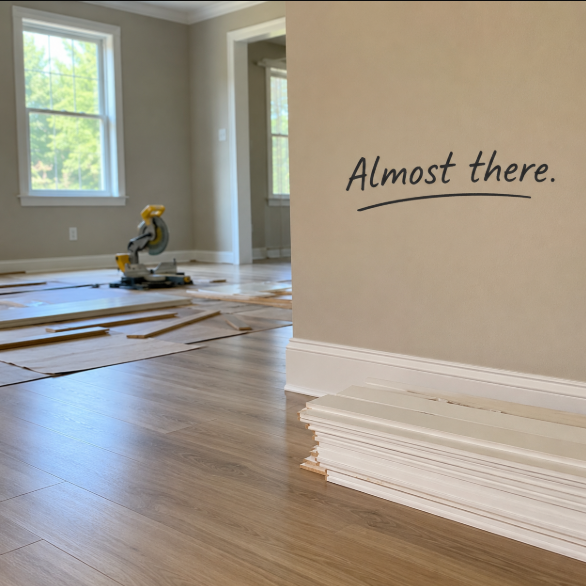
This week, the new flooring is complete and we're about 75% finished installing new baseboards throughout the home. Every improvement adds another layer of value, but it also reinforces an important lesson that applies to almost every home being prepared for sale.
The Best Projects Rarely Go Exactly According to Schedule
Television renovation shows make remodeling look predictable. In reality, every home has its own surprises, changing priorities, and decisions that happen along the way.
Sometimes homeowners choose to:
Upgrade additional finishes.
Replace trim that wasn't originally planned.
Add repairs after seeing how much cleaner and newer the home is becoming.
Those decisions can add a little time to the schedule, but they often produce a much better finished product.
Rushing Can Cost More Than Waiting
When a home is being prepared for the market, there's often pressure to finish as quickly as possible.
The problem is that rushed work usually shows.
Uneven trim, skipped repairs, mismatched flooring transitions, and unfinished details are exactly the kinds of things buyers notice during showings. They may not know why a house feels unfinished—but they know when it does.
Taking an extra week to finish the details is almost always a better investment than trying to save a few days.
Details Matter
Fresh flooring makes a huge difference, but it's the finishing touches that make a home feel complete.
Clean baseboards, consistent trim, repaired walls, fresh paint, and quality installation all work together to create the impression that the home has been well cared for.
Those details help buyers focus on the home—not on a list of repairs they'll need to make after closing.
One More Week...
We're in the home stretch now.
The flooring is finished, the trim is coming together, and we're excited to show you the completed transformation very soon.
Sometimes the best projects take a little longer than expected—and we're perfectly okay with that if it means delivering quality work our customers can be proud of.
Stay tuned next week as we share the finished results of this Turnkey Transformation!

Week 3: Where Homeowners Should (and Shouldn't) Spend Money Before Selling
Preparing a home for sale can feel overwhelming. Every room has something that could be updated, repaired, or improved — but that doesn’t mean every project is worth doing.
One of the biggest mistakes homeowners make before selling is thinking they need to completely remodel their home to compete in the market.
The reality is usually different.
The goal of pre-sale improvements is not to create someone else’s dream home. The goal is to help buyers see the home’s potential, feel confident about its condition, and avoid focusing on problems that could affect their decision.
A smart pre-sale renovation focuses on the updates that make the biggest impact.
Start With What Buyers Notice First
When buyers walk into a home, they quickly form an opinion based on condition and presentation.
Small signs of deferred maintenance can create doubt:
Worn or damaged flooring
Old, tired paint
Broken trim or baseboards
Doors that don’t close properly
Outdated fixtures
Visible repairs that were never completed
These issues may seem minor individually, but together they can make buyers wonder what other problems might be hiding.
Taking care of these details helps create a home that feels cared for.
Where It Usually Makes Sense to Spend Money
Fresh Paint
Paint remains one of the most cost-effective ways to improve the look of a home.
A fresh, neutral color palette helps buyers focus on the space itself instead of being distracted by outdated colors, scuffs, or worn finishes.
Flooring Updates
Flooring has a major impact because it covers so much of the home.
Replacing damaged or outdated flooring can completely change how a home feels when someone walks through the door.
Repairs and Finish Work
This is where many homes lose buyer confidence.
Small repairs like:
Replacing damaged trim
Fixing doors
Repairing drywall
Updating hardware
Correcting visible maintenance issues
can make a home feel much more complete.
Exterior Improvements
First impressions start before someone walks through the front door.
Projects like:
Exterior cleanup
Paint touch-ups
Siding repairs
Landscaping improvements
Addressing visible exterior issues
can help buyers feel positive from the beginning.
Where Homeowners Often Overspend
Not every improvement will provide a return before selling.
Large renovations can be tempting, but they are not always the best choice.
Projects that may require careful consideration include:
Full kitchen remodels
Luxury bathroom upgrades
High-end finishes that may not match the neighborhood
Personal design choices that appeal to one homeowner but not the next
A beautiful remodel is great when you are creating your forever home. But when preparing to sell, the question changes:
"Will this help buyers see the value of this home?"
The Best Pre-Sale Improvements Remove Doubt
The best projects before selling are often the ones that make buyers think:
"This home has been taken care of."
That confidence matters.
A good contractor should not only tell you what they can build — they should help you decide what actually makes sense for your goals and budget.
Whether you are preparing to list your home, getting ready for a move, or simply trying to make smart improvements, the right plan starts with understanding where your money will have the biggest impact.
At Mr. Clean Fix, we help homeowners evaluate repairs, updates, and remodels with the bigger picture in mind — creating spaces that work better today and make sense for tomorrow.
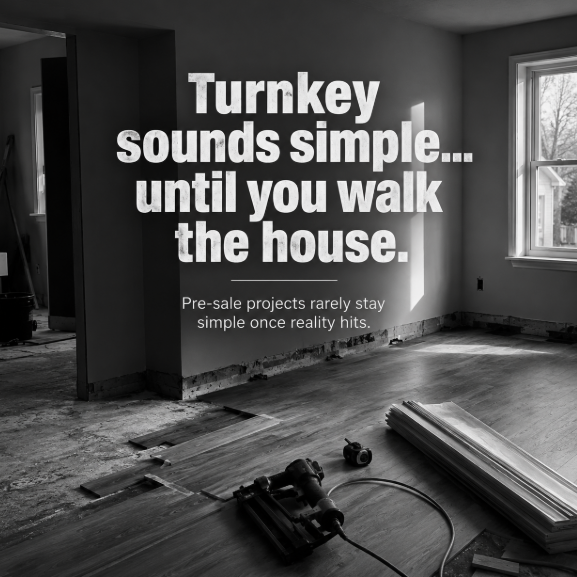
Week 2: When Pre-Sale Prep Turns Into the Actual Remodel
Most pre-sale projects start with a simple idea:
Clean it up. Freshen it up. Get it ready to list.
That was the original scope on this one.
Interior paint. Exterior curb appeal cleanup. Pressure washing. Dump runs. Remove baseboards so Home Depot could come in later for flooring, then reinstall them.
Straightforward prep work before the “real work” happens.
But once the timeline came into play, the project shifted.
The original plan
At the start, this was a classic lite pre-sale prep job:
Interior painting throughout
Exterior pressure wash and curb appeal cleanup
Dump runs and general haul-off
Baseboard removal to prep for flooring install (by Home Depot)
Reinstallation after flooring was complete
The goal was simple—get the home cleaned up and ready for other trades to come in and finish their pieces.
We weren’t supposed to be the flooring contractor.
We were strictly prep.
Where things changed
Once the homeowner got back into town and we started lining up the schedule, the flooring timeline became the deciding factor.
Home Depot was more than a month out on install.
And at that point, the decision was simple:
Waiting that long didn’t make sense for a pre-sale property.
So the project shifted.
Not because the plan was wrong—but because the market timeline didn’t match the construction timeline.
What we became in real time
Instead of waiting on a delayed install, the scope naturally expanded into:
Full flooring installation instead of prep for it
Expanded interior finish and repair work
Replacing baseboards instead of reinstalling old ones
Coordinating transitions as flooring went in
Evaluating exterior fence repairs and potential repaint
This is where pre-sale work stops being “prep” and becomes “finish.”
Not by design—by necessity.
Why this happens on jobs like this
Pre-sale projects are always time-sensitive.
You’re not just trying to improve a house.
You’re trying to hit a listing window.
So when one piece of the plan slows everything down—like a month-long flooring delay—you either wait…
Or you adjust the scope so the project keeps moving.
In this case, waiting wasn’t the right answer.
The part people don’t always see
Most homeowners don’t think about how tightly connected these decisions are.
But once you start a pre-sale project, everything is linked:
flooring affects baseboards
baseboards affect paint touch-ups
interior finish affects how “done” the house feels
exterior curb appeal affects first impression before they even walk in
You can’t isolate one trade without affecting the rest.
So when the flooring schedule changed, everything else naturally followed.
Where we’re at now
We’re currently:
installing flooring in-house
completing interior finish updates tied to that work
replacing baseboards as part of the full system
continuing exterior cleanup and evaluating fence repair/repaint
What started as prep work is now a full pre-sale renovation path.
Not heavy remodel—but definitely not just “clean and list” anymore.
Final thought
Most pre-sale projects don’t expand because someone overcomplicates them.
They expand because the timeline and reality of the house don’t line up with the original plan.
And when that happens, the goal shifts from:
“get it ready”
to
“make sure nothing slows the sale once it hits the market”
That’s where this one landed.

Turnkey Isn’t Always Turnkey: What “Ready to Sell” Actually Means
Most people hear “turnkey” and think: quick clean-up, maybe a little paint, list it, done.
In reality… that’s rarely how it goes once we actually walk the property.
Turnkey sounds simple until you’re standing in the house looking at it through a buyer’s eyes.
That’s usually where it shifts into what we call a lite reno for resale—small, targeted fixes that don’t sound like much on paper, but change everything about how the home feels when you walk through it.
Because in real estate, “feeling ready” is what sells the house.
What homeowners think “turnkey” means
Most sellers picture something like:
Fresh paint
Clean floors
Quick touch-ups
Deep clean
List it and move on
And sometimes that’s true.
But most of the time, once you actually start walking the property, there’s more sitting there than people realize.
Not major remodel problems—just a lot of small things that stack up fast.
What we actually see when we walk a home
This is where things shift.
When we do a walkthrough, we’re not looking at it like homeowners do. We’re looking at it like buyers will.
And buyers don’t overlook much.
We’ve walked properties where the homeowner was focused on paint and cleaning, and the first thing a buyer notices is the fence line from the street.
Common things that show up:
Baseboards that are chipped, missing, or mismatched
Flooring transitions that feel unfinished or dated
Fence or exterior issues that hurt curb appeal immediately
Doors, trim, and finishes that don’t match the rest of the house
Small repairs that don’t seem like a big deal—but add up visually
None of this is dramatic on its own.
But together, it changes the story of the house.
And that story matters more than most people think.
The truth about buyer psychology
Buyers don’t walk into a home doing math on upgrades.
They’re asking one thing the whole time:
“Does this feel move-in ready… or am I inheriting projects?”
That one question drives almost everything else.
Because if it feels like a project, it doesn’t matter how minor the issues are—they start discounting the home mentally right away.
We see it all the time:
not big problems killing deals…
small ones stacking up and slowing everything down.
When “turnkey” becomes “lite reno”
This is the shift most homeowners don’t expect.
We’re not talking about gutting a house.
We’re talking about the stuff that quietly affects perception:
Baseboards that need replacing or finishing
Flooring install or correction where transitions feel rough
Fence or exterior fixes that hit curb appeal instantly
Cleanup work that makes the house feel consistent again
We don’t tell people to overbuild their home for resale.
We tell them what’s actually going to cost them money in negotiations.
In this current project
This job started as a “turnkey prep.”
After walking it more closely, it shifted into:
New baseboards
Flooring install
Fence repair
Nothing extreme. Nothing flashy.
Just the kind of work that takes a house from:
“almost ready” → “this feels solid walking through it.”
That gap is where buyers decide how they feel about your price.
The goal isn’t perfection—it’s confidence
We’re not trying to make homes feel brand new.
We’re trying to remove hesitation.
Because hesitation is what leads to:
lower offers
longer time on market
negotiation pressure after inspection
A clean, simple walkthrough changes that conversation fast.
Final thought
If you’re thinking about listing your home and it feels like it’s “close enough,” that’s usually the moment to get a second set of eyes on it.
Not to blow it up into a full remodel.
Just to figure out what a buyer is actually going to notice—and fix the things that matter before they get a chance to use them against you.
Because they will see it differently than you do.
Every time.

What We Notice When We Leave Town
Summer is busy. Jobs are moving. Schedules are full. Sometimes the best thing you can do for your home is step away from it for a few days.
We just got back from a trip over to Seattle, and one thing always stands out when we travel: every area has different styles, different trends, and different priorities when it comes to homes.
But the basics never change.
A well-maintained home feels cared for. Fresh paint catches your eye. Clean landscaping makes a difference. A solid deck becomes the place everyone gathers. Small repairs done on time prevent big headaches later.
It's easy to get used to the things you see every day. The loose gate. The faded trim. The deck board you've been meaning to replace for two years.
Sometimes seeing other neighborhoods reminds you of the potential sitting right outside your own front door.
As we move into the heart of summer, now is a great time to walk around your property with fresh eyes. Make a list. Tackle a project. Take care of the little things before they become expensive things.
That's what we do every day at Mr. Clean Fix.
And after seeing plenty of homes on the road, we're always happy to be back serving North Idaho.
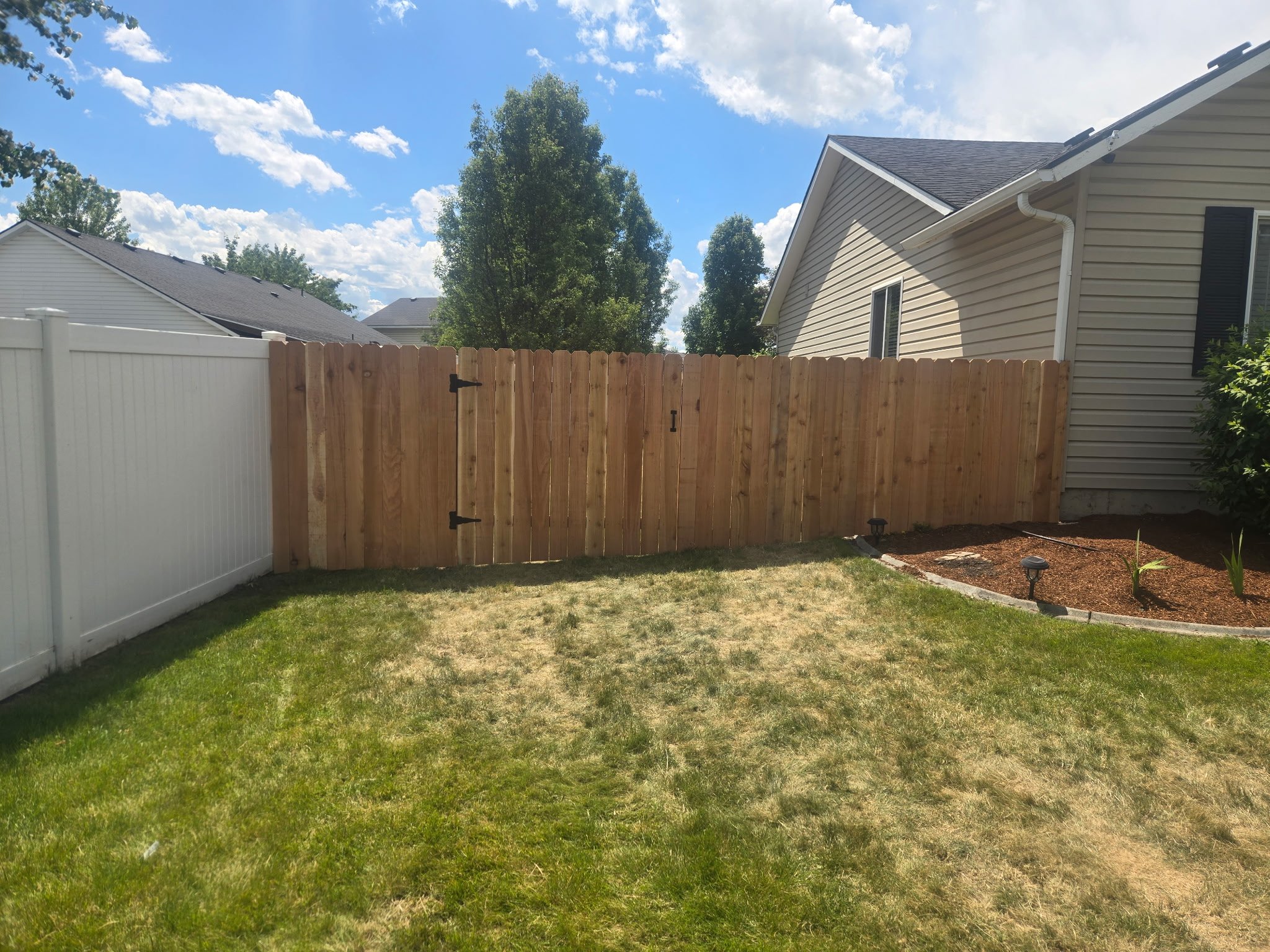
Summer Project Spotlight: Cedar Fence & Landscape Upgrade
This week we wrapped up a cedar fence and landscape improvement that completely transformed the curb appeal of this property.
The original space lacked definition and structure, and the yard didn’t reflect the home’s potential. We installed a new cedar fence to create clean boundaries, add privacy, and give the property a natural, warm finish that fits North Idaho homes well.
Cedar is one of our go-to materials for fencing because it holds up well in our climate, resists rot naturally, and looks better as it ages compared to many manufactured options.
Along with the fence, we refreshed the surrounding landscape to tie everything together visually. Small changes in layout and cleanup made a big difference in how the space feels when you approach the home.
Projects like this are a reminder that curb appeal isn’t just about looks—it’s about structure, function, and creating a space that feels maintained and intentional.
If your fence is leaning, rotting, or just outdated, replacing it can completely reset the feel of your property without needing a full yard overhaul.

Summer Is Here. Your Exterior Won’t Fix Itself.
You’ve been looking at it all spring.
The deck that needs work.
The fence that didn’t make it through another North Idaho winter.
The backyard that could be something—if someone would just finally do it.
Here’s the reality most homeowners run into: summer here is beautiful, but it’s short. And the window between “perfect weather to build” and “now we’re racing fall again” closes faster than people expect.
This is that window.
Exterior Paint and Stain: Do It While the Weather Cooperates
Paint and stain are simple in theory—but they’re extremely picky about weather.
Too cold, too wet, too hot, too much moisture in the wood… and the coating doesn’t bond the way it’s supposed to. That’s when you start seeing early failure instead of long-term protection.
We’ve walked up to homes where everything looked fine from the driveway. Get close and it tells a different story—oxidized siding, cracked caulk lines, and moisture already working its way in.
Fresh exterior paint isn’t just cosmetic.
It’s a weather barrier for everything winter throws at your home.
If it’s been a few years, you’re not “considering it.” You’re already in the window where it matters.
Deck Builds and Replacements: Build It Once, Build It Right
A poorly built deck doesn’t fail on day one.
It fails three to five winters later.
That’s when boards soften, hardware starts loosening, and the ledger connection becomes something you start watching instead of trusting.
We see it all the time.
If you’re building new, summer is the right time:
footings cure correctly
framing dries properly
decking installs in stable conditions
and you’re actually using it before peak season ends
If you’re replacing an existing deck, the same logic applies—stop putting up with something you don’t trust under your feet.
The difference between “cheap” and “done right” is usually a few thousand dollars.
The difference in lifespan is measured in decades.
Patios, Pergolas, and Covered Spaces: The Upgrade Nobody Regrets
We hear it constantly:
“We should’ve done this years ago.”
A covered outdoor space changes how you actually use your property.
It’s not just shade—it’s usable time outside.
Hot afternoons, light rain, even full summer evenings become usable instead of avoided.
That’s the difference between a yard you own and a yard you actually live in.
Material choices matter here:
concrete or pavers for longevity
cedar or steel for structure
proper footings so nothing moves over time
These decisions are easy before construction starts. Much harder after.
Build it this summer and you use it this summer.
Wait, and it becomes next year’s plan again.
Sheds and Outbuildings: The Space You’re Already Running Out Of
Most backyards don’t fail because they’re too small.
They fail because storage never got solved.
That “temporary” setup in the corner of the yard? It turns permanent fast.
A properly built outbuilding fixes that:
proper foundation (not skids sitting on dirt)
solid framing built for snow load
weather-tight shell that actually lasts
Done right, it becomes usable space immediately—storage, workshop, studio, or just breathing room in the rest of your property.
Done cheap, it becomes another project in a few years.
We don’t build the second version.
The Mr. Clean Fix Take
Summer schedules don’t stay open long in North Idaho.
The calls we’re getting right now are from homeowners who planned ahead. By late summer, the conversation shifts fast toward fall—and some projects get pushed all the way to next year.
Not because they weren’t important.
Because the window closed.
If it’s on your list, this is the week to make the call.
Not pressure. Just timing.
Because in exterior work, timing is everything—and this one doesn’t wait.
📞 (208) 292-7204
mrcleanfix.com

Good Enough Isn't Good Enough
We've all said it.
"It's fine for now."
"Nobody will notice."
"We'll deal with it later."
Later has a way of becoming never. And "fine for now" has a way of becoming a bigger problem than it ever needed to be.
We walk into homes every week where good enough became the standard. A small deck repair that was put off for another season. A bathroom caulk line that failed and let water get behind the wall. A loose handrail that stayed loose because it wasn't causing a problem yet.
Until it was.
Most of those issues didn't start out expensive. They started out small. They started with a decision to wait one more month, one more season, one more year.
You can feel it in a house. The difference between a home that was done right and one that was done enough.
The trim that's finished instead of rushed. The repair that's actually repaired instead of patched. The details that nobody notices individually but everyone notices collectively.
We've never been able to leave a job at good enough.
Not because someone's checking.
Because we'd know.
That's the standard that matters.
Whatever's on your list this Monday—the project, the repair, the phone call you've been putting off—good enough isn't the goal.
Done right is.
Not perfect. Not extravagant. Just done the way you'd want it done if it were your own home.
📞 (208) 292-7204
🌐 mrcleanfix.com
Why the Second Half of the Year Is When Smart Homeowners Make Their Move
June isn’t the middle of the year. In contracting, it’s the last calm window before everything stacks up again.
Most homeowners think spring is the planning season. In reality, it’s already the bottleneck.
By the time June shows up, the projects that were “going to happen this spring” are now competing with vacations, school schedules, heat, smoke, and the general speed of life in summer.
And that’s exactly where the opportunity is.
Because the homeowners who actually get things done aren’t the ones who planned perfectly in January.
They’re the ones who move when there’s still room to move.
Summer Is the Window Everyone Underestimates
Spring gets all the attention. That’s when motivation kicks in, the weather turns, and every contractor’s phone starts ringing at once.
And that’s the problem.
By late spring, schedules are already tightening. Lead times stretch. Small jobs get pushed. Big jobs get reshuffled. The “quick project” you wanted done early can easily drift into mid or late summer without much effort.
Summer is different.
The weather stabilizes. Days are longer. Work moves cleaner and faster. And most importantly—projects actually finish instead of sitting half-started waiting for a break in the schedule.
The homeowners who book early summer aren’t just starting projects.
They’re finishing them while everyone else is still waiting for availability.
The Projects That Belong in Summer
Some work doesn’t care when you start it. Other work absolutely does.
Exterior projects like decks, fences, siding, paint—these depend on dry, stable conditions. Summer is the real working window for getting them done right, without weather interruptions slowing everything down.
Structural work and additions also move better this time of year. Materials stay dry, concrete cures properly, and crews can keep momentum instead of stopping and starting with weather delays.
And then there’s the biggest category:
The project that’s been sitting in the background for too long.
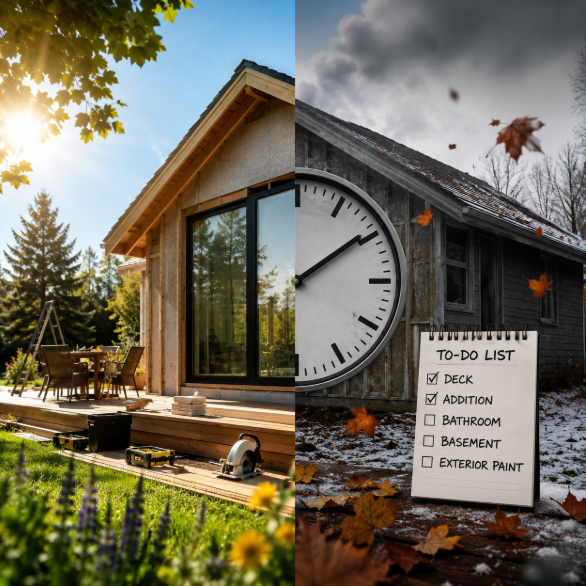
The bathroom that’s 80% decided.
The basement that’s been “almost finished” for two years.
The deck that got pushed from last fall into this spring… and is now circling back again.
Summer is when those stop being “someday” projects and become finished space.
Because fall doesn’t wait for unfinished work. It just shows up.
And once it does in North Idaho, everything slows down fast.
The Honest Contractor Math
Here’s the part most people don’t like hearing, but always recognize later:
Waiting doesn’t reduce cost.
Materials don’t get cheaper. Labor doesn’t get cheaper. And the scope usually doesn’t stay the same—it tends to grow.
A small issue ignored for six months usually turns into a slightly bigger scope when it finally gets addressed.
So the idea that waiting saves money sounds reasonable… until you’ve lived through a few projects.
The reality is simpler:
The people who call in June get on the schedule in June.
The people who wait until September are planning around October—or next year.
The Mr. Clean Fix Take
We’re not trying to force urgency where it doesn’t exist.
This one actually does.
Summer in North Idaho is the best working window we get all year. The weather cooperates. Projects move faster. And there’s still enough schedule flexibility right now that won’t exist in another 60–90 days.
If you’ve got something sitting on your list, this is the point where it either starts moving—or rolls into next season again.
Send it over. We’ll look at it, tell you what’s realistic this summer, what it takes, and whether it makes sense to move forward now or wait.
No pressure. Just straight answers.
Because the second half of the year isn’t about planning anymore.
It’s about finishing.

New Month. Fresh Start. No More Waiting.
June is here.
Take a second and let that sink in.
The year is almost half over. Summer is arriving. The project you were going to tackle "this spring" is still sitting on the list.
Not because you don't care about it.
Not because it isn't important.
Life just has a way of moving the finish line.
There will always be another busy week. Another unexpected expense. Another reason to put it off until next month.
The truth is that most home projects don't happen because the timing is perfect. They happen because someone finally decides to stop waiting for perfect and start making progress.
A repaired deck means more summer evenings outside.
A remodeled bathroom means a better start to every day.
New flooring changes the way your entire home feels.
Small improvements have a way of improving more than just the house.
June offers something every homeowner gets exactly once: a fresh month and a clean page.
What you do with it is up to you.
One call. One project. One step forward.
What's it going to be?
📞 (208) 292-7204
🌐 mrcleanfix.com

The Rooms Nobody Remodels — Until They Can’t Ignore Them Anymore
Everyone talks about kitchens. Everyone talks about bathrooms.
And for good reason — those are the rooms that usually get the attention. They affect resale value, they photograph well, and they’re the projects people imagine when they think about remodeling.
But there’s another category of spaces that quietly make daily life harder.
The rooms you work around every single day.
The spaces that frustrate you in small ways so often you almost stop noticing them.
The rooms that have been “fine for now” for years.
Until suddenly they aren’t.
Laundry Room Remodel Ideas That Actually Improve Daily Life
Most laundry rooms in North Idaho homes were never really designed for the people using them.
You’ve got one dim light overhead. No place to fold clothes. Shelving that never made sense. Old vinyl flooring that’s peeling at the corners or impossible to get fully clean anymore. Sometimes the washer and dryer are squeezed into a hallway or tucked next to a garage entry with zero usable storage nearby.
And yet people spend hours in these spaces every week.
Laundry rooms rarely make the top of the remodeling list because they don’t feel exciting. But function matters. A laundry room with better lighting, durable flooring, storage that actually works, and a real folding surface changes the experience of using the space every single day.
It’s one of the highest-function upgrades you can make in a home without taking on a full kitchen-level remodel.
Mudroom & Entryway Remodeling That Stops the Chaos
Your entryway sets the tone for the entire house.
And in most homes we walk into, it’s carrying way more responsibility than it was built for.
Shoes piled by the door. Wet jackets with nowhere to go. Kids’ backpacks stacked in corners. One small coat hook trying to handle an entire family during a North Idaho winter.
When you’re dealing with snow, mud, rain, boots, dogs, and cold weather for half the year, a functional entryway matters more than people realize.
Built-in benches. Durable flooring. Storage underneath seating. Enough hooks for actual daily life. Better lighting. A place for wet gear that keeps it from spreading across the house.
Small changes in an entryway can make the entire home feel more organized because the mess gets stopped at the door instead of moving through the rest of the house.
That’s a big quality-of-life upgrade from a relatively small space.
Finishing an Unfinished Basement
We see this all the time.
A basement that got halfway finished years ago. Some framing went up. Maybe drywall got hung. Maybe somebody painted the concrete floor and planned to come back later.
Then life happened.
Now the basement sits in that awkward middle ground where it’s technically usable, but nobody actually wants to spend time down there.
The thing is, most partially finished basements are closer to complete than homeowners think.
Usually it’s a handful of things keeping the space from feeling finished:
Proper flooring
Trim work
Better lighting
Ceiling finishing
A bathroom that was always planned but never added
Storage solutions that make the space functional instead of temporary
We’ve seen homeowners avoid using thousands of square feet for years because the project felt overwhelming, when in reality the remaining work was manageable once it was broken into steps.
And in North Idaho, where people spend a lot of time indoors during winter, having comfortable usable basement space changes how the entire home functions.
Garage Remodel Upgrades That Make the Space Usable Again
The garage is where organization usually falls apart.
Tools with no real home. Storage piled against walls. Poor lighting. Cracked concrete. Random shelving installed over the years that never really worked together.
Eventually the garage becomes a space people avoid using altogether — which is why so many vehicles end up sitting outside through winter while the garage fills up with clutter.
Most homeowners don’t need a luxury showroom garage.
They just need a garage that works.
A solid workbench at the right height. Wall storage that makes sense. Better lighting. Shelving designed around the things you actually use. Floor coatings that make cleanup easier and brighten the space up.
Simple functional upgrades can completely change how a garage gets used without turning it into some overbuilt Pinterest project.
Home Office Remodeling for Remote Work
Remote work isn’t going anywhere.
But a lot of home offices still feel like temporary setups that accidentally became permanent.
A desk shoved into a guest room. A hallway corner with bad lighting. Power strips everywhere because the room never had enough outlets. No sound separation. No storage. No real ability to shut work off at the end of the day.
A functional home office doesn’t need to be huge. It just needs to be intentional.
Good lighting matters more than people expect. So does outlet placement. Storage. Sound control. A door that actually closes when you’re on calls or trying to focus.
For people working from home full-time or even part-time, the setup affects productivity, stress levels, and the ability to separate work life from home life.
That’s not a luxury upgrade anymore. It’s practical.
The Mr. Clean Fix Take
The rooms people ignore are often the ones affecting daily life the most.
Not because they’re glamorous.
Usually they aren’t.
But because they’re the spaces you interact with constantly — the ones where small frustrations add up over time until the house starts feeling harder to live in than it should.
We think every room in a home deserves to function well, not just the ones that end up in renovation magazines.
Sometimes a small functional remodel improves daily life more than a major renovation ever could.
If you’ve got a space that’s been getting by for years — a laundry room, basement, garage, entryway, or home office — we’re happy to take a look and talk through what it would realistically take to make it work better.
Because you don’t always need to remodel the biggest room in the house.
Sometimes you just need to fix the room that frustrates you every day.

Memorial Day
Today is about remembering the people who never made it home.
So spend time with your people. Fire up the grill. Sit in the backyard a little longer. Appreciate the home and life you've built.
Taking care of what you have — your home, your family, your space — that's not a small thing.
And maybe let today be a reminder not to keep putting off the things that matter most — the projects, the plans, the time together, the spaces that make home feel like home.
From all of us at Mr. Clean Fix — thank you to those who served and sacrificed. 🇺🇸

Memorial Day Weekend: A Time for Gratitude, Community, and Taking Care of Home
Memorial Day is often seen as the unofficial start of summer here in the Pacific Northwest. It’s a time when families gather, grills get fired up, and many of us finally get a chance to slow down and enjoy the longer days.
But it’s also a moment to reflect and appreciate the people and communities around us — including the neighbors, clients, and families who continue to support local small businesses like ours.
At Mr. Clean Fix LLC, we’ve been fortunate to work with so many homeowners over the years on projects big and small. From simple repairs to full remodels, every job has been part of building something we’re proud of — not just homes, but relationships in the community.
As we move into summer, it’s also when homeowners start noticing the little things:
Decks that need repair after winter
Fences that have shifted or weathered
Interior projects that finally rise to the top of the list
Bathrooms, flooring, or trim that could use an update
Small repairs that have been waiting for “someday”
Summer is often the best time to take care of those projects, both for comfort and timing.
A Small Way to Say Thank You
To show appreciation for our past clients and community support, we’re offering a Memorial Day Appreciation Special: 10% off labor on projects booked through May 31st.
This isn’t about a big sale — it’s simply a thank-you for trusting us with your homes and for supporting a small, local business that truly values its customers.
If you’ve been thinking about a project, this is a great time to reach out and get it on the schedule before the summer fills up.
You can contact us anytime through our website or simply reply to this post:
https://www.mrcleanfix.com
From all of us at Mr. Clean Fix, we hope you have a safe, meaningful, and restful Memorial Day weekend.
The Job Isn’t Finished Until It’s Finished
There’s a version of done a lot of people settle for.
Good enough.
Close enough.
“We’ll come back to it later.”
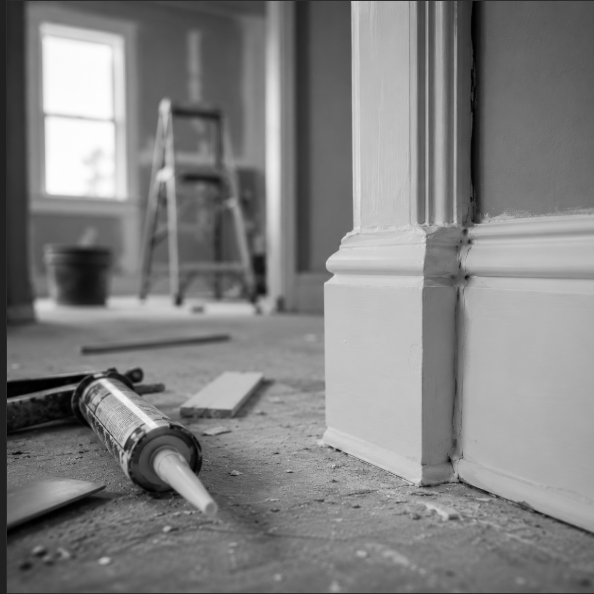
We see it all the time walking into jobs where someone else started the work but never really finished it. Missing trim paint. Crooked caulk lines. A “temporary fix” that somehow became permanent three years ago.
Most of the time it’s not one huge disaster.
It’s just a bunch of little things that got left at 90%.
And honestly, those are usually the things that cause the biggest headaches later.
A skipped detail today turns into water damage later.
A quick shortcut becomes a repair call six months from now.
The thing that was “almost done” keeps hanging around until somebody finally has to deal with it.
That’s true in remodeling, but it’s true in life too.
Everybody has something sitting in almost-done territory.
A house project. A phone call. A decision. Something that keeps taking up space because it never actually got finished.
And the longer it sits there, the heavier it gets.
Finishing Is the Hard Part
Starting a project is exciting.
Demo day is exciting.
Picking materials is exciting.
You know what usually isn’t exciting?
The last 10%.
The detail work.
The punch list.
Fixing the thing that didn’t go as planned.
Staying an extra hour to make something right instead of just calling it good enough.
That’s the part that matters though.
Anybody can start something when motivation is high.
Finishing it when it gets frustrating, expensive, delayed, or inconvenient — that’s where standards show up.
We’ve had jobs fight us before.
Wrong material deliveries. Layout problems. Weather delays. Hidden damage behind walls. All the normal stuff that remodeling likes to throw at you.
You work through it anyway.
Because the goal isn’t “mostly done.”
The goal is done.
The Standard We Hold
We don’t leave jobs half-finished or “good enough.”
Not because someone is standing there checking every little detail.
Most homeowners would never notice half the stuff we notice.
But we would know.
That matters to us.
If something needs another hour to look right, we stay another hour.
If a detail bothers us, we fix it.
If something feels rushed, we redo it.
That’s the difference between getting through a job and actually taking pride in the work.
What This Means for Homeowners
A lot of homeowners call us because they’re tired of looking at something that never got finished properly.
Sometimes it’s a contractor who disappeared.
Sometimes it’s a DIY project that stalled out.
Sometimes it’s just life getting busy.
It happens.
But unfinished projects have a way of constantly reminding you they’re there.
At some point, somebody has to come in and close the loop.
That’s a big part of what we do.
Not just building things.
Finishing things correctly.
Motivation Monday
Motivation isn’t really the point.
Some days you feel motivated.
Some days you don’t.
The important part is doing the work anyway and finishing what you started.
That applies to remodeling, business, goals — all of it.
Most things don’t fall apart in the beginning.
They fall apart in the last 10%.
Finish the thing.
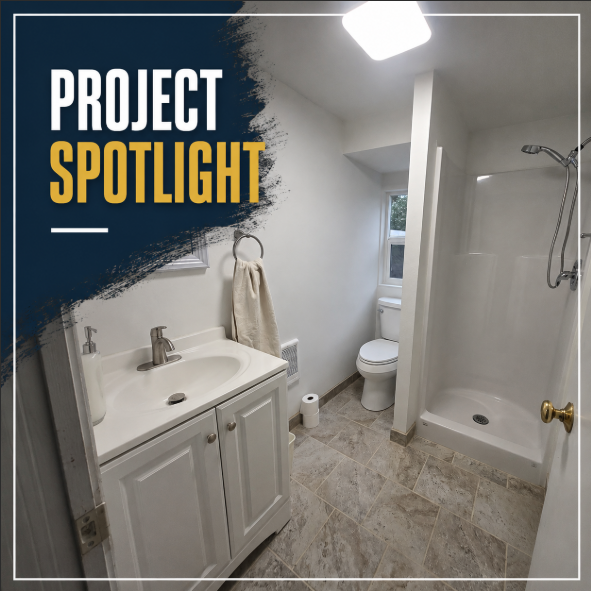
Project Spotlight: Small Footprint, Big Upgrade- A Full Bathroom Addition
This project started with a larger bedroom and an idea:
What if part of this space became a new bathroom?
Originally, the plan was to frame in and build a simple half bath — just enough to add convenience and functionality to the home without taking too much square footage away from the bedroom.
But partway through the project, the homeowner made a bigger decision:
Instead of stopping at a half bath, they wanted a full bathroom with a shower.
And honestly, that changed everything.
Starting From Nothing
There wasn’t a bathroom here before.
No plumbing rough-in waiting in the floor.
No shower space already framed out.
No “easy conversion.”
This was bedroom space being completely reworked into an entirely new bathroom addition inside the home.
That meant building the room from the ground up:
Framing new walls
Running new plumbing
Creating drainage and water supply lines
Adding electrical and lighting
Designing a layout that could actually function comfortably in a compact footprint
Once the project shifted from a half bath to a full bath, the layout had to evolve fast. Adding a shower into a space that wasn’t originally planned for one takes careful planning — especially in a mobile home where every inch counts.
Making the Layout Work
One of the biggest challenges was balancing function with space.
The bathroom needed to fit:
A vanity
Toilet
Walk-in shower
Comfortable walking space
Proper plumbing access
…without feeling cramped or boxed in.
The framed section beside the shower became part of the solution, helping accommodate the plumbing and structure while still keeping the room open and usable. Projects like this are a reminder that remodeling is often about solving problems creatively, not just installing finishes.
When it's done right, the finished space feels natural — like it was always supposed to be there.
What Was Included
This remodel included:
New bathroom framing and layout creation
Full plumbing installation
Walk-in shower installation
Vanity and sink installation
Toilet installation
New flooring throughout
Electrical and lighting updates
Paint, trim, and finish work
The final bathroom feels bright, clean, and practical. The lighter color palette helps open up the room visually, while the flooring adds texture and warmth without making the space feel busy.
Most importantly, the home now has a completely new full bathroom where there was once only bedroom space.
Why This Project Stands Out
This wasn’t a cosmetic refresh.
This was creating entirely new function inside the home.
Projects like this have a huge impact on everyday living because they change how the house actually works for the people inside it. Adding another bathroom — especially a full bath — can dramatically improve convenience, flexibility, and long-term usability.
And unlike large open remodels, smaller-space additions often require even more careful planning. There’s very little wasted space in a mobile home, so every decision matters.
That’s the kind of challenge we enjoy.
The Finished Result
What used to be part of a bedroom is now a clean, fully functional bathroom that looks like it belongs there.
That’s always the goal:
Not just adding something new — but making it feel like it was meant to be part of the home from the beginning.

Memorial Day Is Coming. Is Your Backyard Ready?
Memorial Day weekend is usually the unofficial start of summer around here.
People uncover the grill. Lawn chairs come back out. Somebody realizes the dog destroyed one over winter. And suddenly everyone is standing in the backyard noticing all the projects they ignored since last year.
The leaning fence.
The deck that needed stain “before winter.”
The ugly corner of the yard that’s been on the to-do list for two summers now.
It happens every year.
And honestly, this is usually the time homeowners decide whether they’re finally going to deal with it — or stare at it all summer again.
A Little Maintenance Now Saves Bigger Repairs Later
North Idaho winters are rough on exterior surfaces.
Snow, moisture, freeze/thaw cycles, UV exposure — they all add up fast on decks, fences, siding, and trim. What looked “not that bad” in the fall can look pretty rough by May.
A fresh coat of stain or paint goes a long way:
protects the material underneath
helps prevent rot and cracking
makes the whole property feel cleaner and maintained
We’ve seen plenty of decks that looked fine from across the yard but were dry, splintering, and starting to fail once you got close.
Maintenance is always cheaper than replacement.
If You Hate Your Deck Every Summer… It Might Be Time
Some decks are still usable.
Some are technically standing.
Not always the same thing.
If boards are flexing, railings are loose, or the layout just doesn’t work for how you actually use the space, summer gatherings tend to make that obvious pretty fast.
This is the right season to rebuild or upgrade:
footings cure better
framing dries properly
you still have time to enjoy it this summer
And when we build decks, we build them to last — proper framing, proper connections, materials that actually make sense for our climate.
The stuff nobody notices until five winters later.
Covered Spaces Are One of the Best Backyard Upgrades You Can Make
Gazebos, patio covers, covered outdoor spaces — people almost never regret adding them.
Especially here.
North Idaho summers are beautiful, but by July you’re dealing with heat, strong sun, random afternoon storms, and smoke season depending on the year.
A covered space gives you somewhere to actually spend time outside without constantly moving chairs around chasing shade.
And once people have one, they use it constantly.
Fences Matter More Than People Think
A good fence changes how a backyard feels.
Privacy matters. Security matters. Keeping kids and dogs contained matters.
And if your fence barely survived another winter, it’s probably not going to magically improve by August.
We replace a lot of fences where homeowners waited just a little too long and moisture finally got into the posts and lower boards.
Cedar and properly treated materials hold up well here when they’re installed correctly from the start.
Backyard Shops, Sheds & Hangout Spaces
Everybody has that one area of the yard they’ve talked about doing something with forever.
Sometimes it’s a workshop.
Sometimes it’s a she-shed.
Sometimes it’s just a place to escape the house for a little while.
Once those spaces are built, they usually become some of the most used parts of the property.
The important part is doing them correctly the first time — foundation, framing, roofing, electrical, drainage — because shortcuts outside tend to show up fast after a couple North Idaho winters.
The Mr. Clean Fix Take
Memorial Day is close.
That doesn’t mean every project will be finished before the holiday — and we’ll always be straight about timelines. But it is the right time to start planning if you want to actually enjoy the space this summer instead of putting it off again.
Sometimes the hardest part of a project is just making the call and getting started.
If your backyard’s been on the “eventually” list for a while, reach out. We’ll come take a look, talk through what makes sense, and help you figure out the best next step without overcomplicating it.
Summer goes fast around here.

Flashback Friday: One of Those Remodels That Changed the Whole House
Some remodels are a quick update.
Some completely change how a home feels when you walk through the front door.
This was one of those projects.
About a year ago, we completed a full home remodel for a North Idaho homeowner who wanted the house to finally feel updated, cohesive, and personal — not like a collection of unfinished ideas from different decades.
The project included a full kitchen remodel, both bathrooms, updates throughout the bedrooms, garage improvements, paint, fixtures, finishes, and new flooring throughout the home.
And honestly, this is still one of those projects we look back on and think, yeah… that came together really well.
The Kitchen
The original kitchen had good bones, but everything felt dated. Honey oak cabinets, older white appliances, dark finishes — the kind of space that still worked but didn’t feel fresh anymore.
Instead of tearing everything apart unnecessarily, the goal was to transform the space without wasting what was still solid.
The cabinet color ended up becoming the centerpiece of the whole project — a deep olive green that completely changed the personality of the room. Once the color went on, everything else started making sense around it.
New stainless appliances, updated lighting, black fixtures, fresh countertops, and cleaner finishes pulled the kitchen into a much more modern look without making it feel cold or overly trendy.
It went from “older kitchen that functions” to a space people actually wanted to spend time in.
Carrying the Style Through the Entire Home
One of the biggest reasons this remodel worked is because the updates didn’t stop at one room.
The same design choices carried throughout the house — the green cabinetry, matte black fixtures, updated lighting, cleaner trim work, fresh paint, and consistent flooring all tied the spaces together instead of making every room feel separate.
Both bathrooms were remodeled with the same approach. Updated vanities, fixtures, mirrors, lighting, and finishes made them feel intentional and connected to the rest of the house instead of feeling like an afterthought.
The bedrooms got refreshed with new paint, updated finishes, and improvements that made the entire home feel lighter, cleaner, and more current.
Even the garage got attention, which is something a lot of remodels skip completely. But when you're doing a whole-home project, those spaces matter too.
What Actually Makes a Remodel Feel Expensive
Usually it’s not one giant dramatic feature.
It’s consistency.
When the colors make sense together.
When the hardware matches.
When the lighting flows room to room.
When nothing feels random anymore.
That’s what turns a remodel from “we updated some stuff” into a home that feels finished.
This project is a good example of that. Nothing about it feels overdone, but everything feels intentional.
And a year later, it still holds up.
The Mr. Clean Fix Take
A lot of homes in North Idaho don’t necessarily need to be completely gutted. Most of the time, the structure and layout are already there.
What changes everything is having a clear plan, making solid design choices, and doing the work correctly the first time.
That’s what this project was.
A full-home remodel that took a dated house and made it feel modern, cohesive, and comfortable without losing the character of the home itself.
These are the kinds of projects we love doing.