How Long Does a Home Remodel Really Take?
One of the first questions homeowners ask when planning a renovation is, "How long is this going to take?"
It's a fair question. A remodel can affect your daily routine, your budget, and how you use your home. If you're updating a bathroom, you want to know how long you'll be without it. If you're remodeling a kitchen, you need to plan around cooking, cleaning, and everyday life. And if you're adding space to your home, you want to know when you'll finally be able to enjoy it.
The challenge is that there isn't one timeline that works for every project.
Two bathrooms can have completely different schedules. A kitchen remodel that keeps the existing layout may move along differently from one that involves moving plumbing, electrical, or walls. And a whole-home renovation or home addition involves even more planning, coordination, and construction.
At Mr. Clean Fix, we believe homeowners deserve realistic expectations from the beginning. Here's what affects a remodeling timeline, what you can generally expect, and why the calendar doesn't always tell the whole story.
How Long Does Each Type of Remodel Take?
Every project is different, but the following ranges can help you understand the general time involved. These are broad planning estimates, not guaranteed completion dates. Actual timelines depend on the scope of work, material availability, permitting, and the conditions of the home.
Bathroom Remodel: Approximately 2–6 Weeks
A bathroom remodel can take a couple of weeks for a relatively straightforward update or six weeks or longer for a more involved renovation.
Replacing fixtures, updating finishes, and keeping the existing layout generally involves less work than moving plumbing, changing the shower configuration, installing custom tile, or addressing water damage.
Waterproofing, tile installation, grout curing, inspections where required, and fixture installation all take time. Some steps must be completed in sequence, so having multiple people on the job doesn't necessarily mean everything can happen at once.
If you're planning a bathroom remodel, ask your contractor when the bathroom will be unavailable and whether any temporary arrangements might be necessary.
Kitchen Remodel: Approximately 4–10 Weeks
Kitchens involve many interconnected components, including cabinets, countertops, appliances, plumbing, electrical, flooring, lighting, and finishes.
A cosmetic refresh may take less time, while a full kitchen renovation can take several weeks or longer, particularly when the layout changes or custom cabinetry is involved.
One common scheduling challenge is the relationship between cabinets and countertops. Countertops often cannot be measured for fabrication until the cabinets are installed. Fabrication and delivery then add time before the final installation can happen.
Appliances, plumbing fixtures, and electrical work also need to be coordinated with the appropriate stages of construction.
If you're remodeling your kitchen, planning for how you'll prepare meals during construction can make the experience much easier.
Whole-Home Remodel: Several Months or Longer
A whole-home renovation may involve flooring, painting, kitchens, bathrooms, lighting, structural changes, and updates to plumbing or electrical systems.
The timeline depends heavily on how much of the house is being changed and whether the work can be completed in phases or needs to happen throughout the home at once.
Some homeowners update one area at a time. Others undertake a comprehensive renovation that affects nearly every room.
The more systems and spaces involved, the more important scheduling becomes. Trades may need to complete work in a particular order, and delays in one area can affect other parts of the project.
For a substantial whole-home remodel, think in terms of months rather than weeks.
Home Addition: Several Months or Longer
Adding a bedroom, expanding a living area, or building a larger addition is a different undertaking from updating an existing room.
An addition may require design work, engineering, permits, excavation, foundations, framing, roofing, exterior finishes, insulation, drywall, mechanical systems, and interior finishing.
Weather can also influence certain stages of construction, particularly excavation, concrete work, and exterior work during North Idaho's colder or wetter seasons.
Because additions often involve both new construction and connections to the existing house, the planning and approval process can be significant. A larger or more complex addition may take many months from initial planning through completion.
For these projects, it's especially important to distinguish the time spent planning and waiting for approvals from the time spent actively building.
Why Doesn't Construction Start Immediately?
It's easy to assume that once you approve an estimate, work should begin right away. In reality, there are often several steps between agreeing on a project and having a crew arrive at your door.
1. Material Selections and Ordering
Cabinets, tile, flooring, windows, doors, plumbing fixtures, and other products need to be selected and ordered.
Some items are readily available, while others may require special ordering, fabrication, or delivery from another location. Custom products can have particularly long lead times.
Making selections early gives your contractor a better opportunity to coordinate the schedule around expected delivery dates.
Waiting until construction is underway to choose important materials can create avoidable delays, especially when those materials determine the next stage of work.
2. Permits, Plans, and Inspections
Depending on the scope of your project, plans, engineering, permit applications, and approvals may be required before construction begins.
Moving a wall, changing structural elements, altering certain mechanical systems, or building an addition can involve more review than a simple cosmetic update.
The time needed varies by project and jurisdiction. Required inspections can also affect the sequence of work once construction starts.
It's important to allow for these steps rather than assuming the entire project timeline begins on the first day of demolition.
3. Scheduling Trades
A general contractor coordinates the different people needed to complete the work.
Framing may need to happen before rough plumbing and electrical. Inspections may need to take place before insulation and drywall. Cabinets may need to be installed before countertops can be fabricated.
Each stage depends on the readiness of the previous one, and the availability of trades must be considered when building the schedule.
A well-organized project accounts for these dependencies rather than simply scheduling everyone as early as possible.
What Can Delay a Remodel?
Even with careful planning, some things can change during a renovation. Understanding the most common causes of delays helps set more realistic expectations.
Unexpected Discoveries
Opening up walls, floors, or ceilings can reveal conditions that weren't visible during the initial estimate.
Examples include water damage, outdated wiring, plumbing issues, inadequate framing, or previous repairs that need additional attention.
These discoveries may require further evaluation, additional work, new materials, or inspections before construction can continue.
A responsible contractor will explain the issue, discuss available options, and communicate how the solution may affect the budget and timeline.
Changes After Construction Begins
It's normal for homeowners to reconsider some details as they see their project taking shape. You might decide to change a tile pattern, add lighting, adjust a layout, or upgrade a finish.
However, changes can affect more than the individual item being modified. They may require new materials, revised plans, additional labor, or adjustments to work that has already been completed.
If you're considering a change, discuss it with your contractor before moving forward. Understanding the cost and schedule implications helps you make an informed decision.
Material Delays
A delayed cabinet shipment or unavailable fixture can affect several other stages of the project.
Sometimes a substitute is available. Other times, the original selection is important enough that waiting is the better option.
Your contractor can help evaluate alternatives and determine whether other work can proceed while waiting for the missing item.
Weather and Site Conditions
In North Idaho, weather can affect excavation, concrete work, roofing, exterior finishes, and other outdoor construction activities.
Rain, snow, freezing temperatures, and changing site conditions may require adjustments to the schedule.
Weather-related delays are particularly important to consider when planning additions and other projects that involve significant exterior work.
Does a Bigger Crew Mean a Faster Remodel?
Not necessarily.
Adding people to a project can help when there is enough work for everyone to perform safely and productively. But construction tasks have dependencies, and some steps require time to complete regardless of crew size.
For example, adding more workers won't necessarily speed up a curing process, make custom cabinets arrive sooner, or allow countertops to be fabricated before the required measurements are available.
The goal is to have the right people working on the right tasks at the right time.
Effective coordination often makes a bigger difference than simply trying to put more people on the job.
How Homeowners Can Help Keep a Project on Schedule
While your contractor is responsible for coordinating the work, there are several things you can do to help your remodel stay on track.
Make selections early. Choose important materials and finishes as soon as practical, particularly items with longer lead times.
Be available for decisions. Some questions need answers before the next stage can proceed. Responding promptly can prevent unnecessary pauses.
Understand the scope. Make sure you know what is included in the project and discuss additions or changes before assuming they can be incorporated without affecting the schedule.
Plan for disruptions. Consider how you'll manage cooking, bathing, pets, parking, or access to certain rooms during construction.
Communicate openly. If your priorities change or a concern comes up, bring it to your contractor's attention early.
Allow for the unexpected. A realistic schedule recognizes that existing homes can reveal surprises. A little flexibility can make the process less stressful when adjustments are necessary.
Why a Realistic Timeline Matters
When homeowners plan a remodel, it's tempting to focus on the earliest possible completion date. But a useful schedule isn't simply the shortest one someone can promise.
It needs to account for the actual work, material availability, required approvals, trade coordination, and the possibility of unexpected discoveries.
An overly optimistic timeline can create frustration when the project takes longer than expected. A realistic timeline gives everyone a better understanding of what needs to happen and what may affect progress.
A general contractor helps manage these moving pieces, communicate changes, and keep the project moving toward completion. While no contractor can control every delivery, inspection, or hidden condition, thoughtful planning can help minimize avoidable delays.
Planning a Remodel in North Idaho?
Whether you're updating a bathroom, transforming a kitchen, renovating your home, or adding more living space, understanding the timeline is an important part of planning a successful project.
At Mr. Clean Fix, we believe the process should start with a clear understanding of your goals, the work involved, and the factors that may affect your schedule. From there, we can help you plan the next steps and establish realistic expectations for your renovation.
The best place to start isn't with a promised finish date. It's with a conversation about what you want to accomplish and what it will take to get there.
Thinking about a home remodel or addition in North Idaho? Contact Mr. Clean Fix to discuss your project and start planning your next steps.
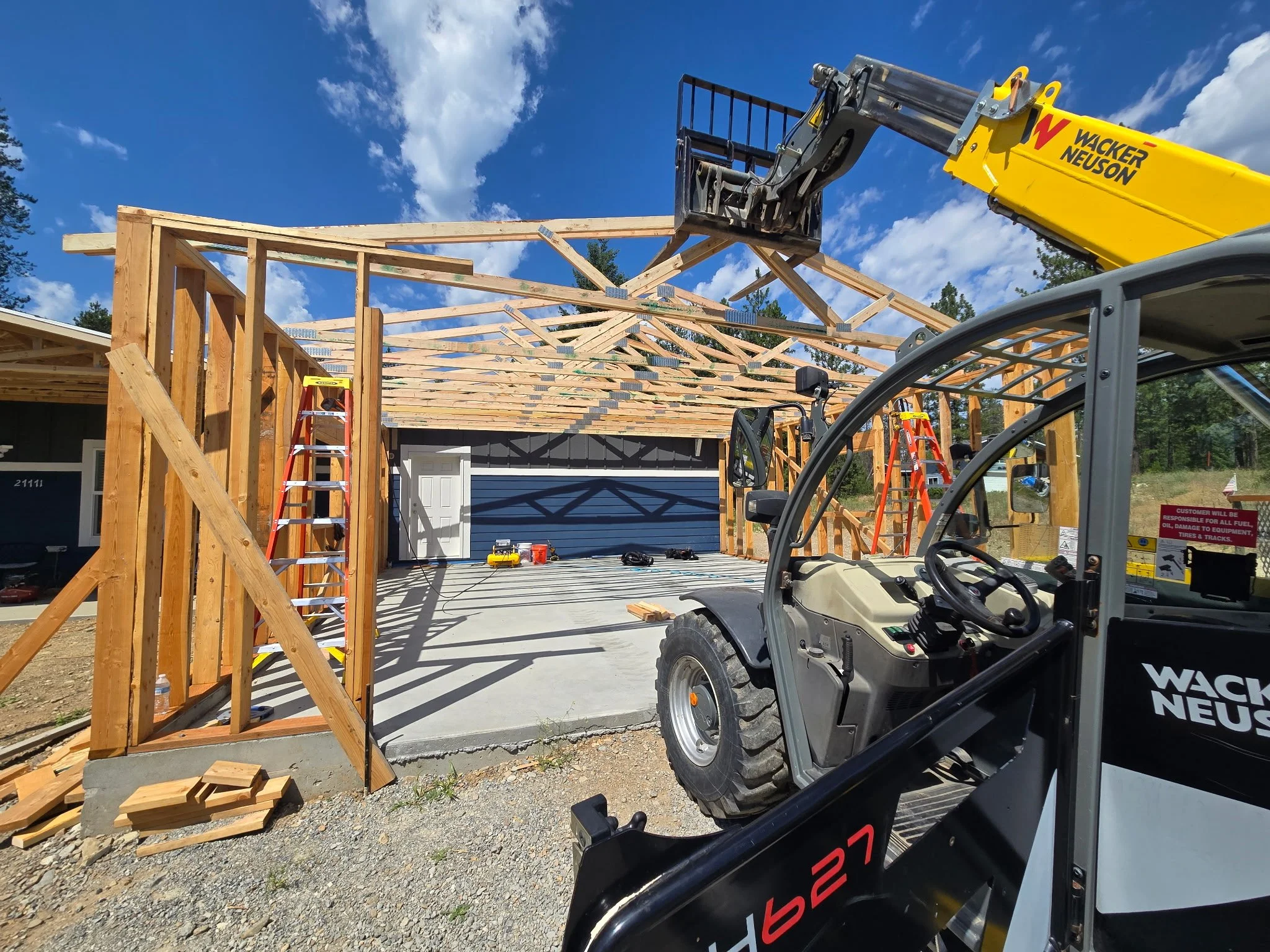
What Happens Behind the Scenes During a Major Home Remodel?
When you think about a major home remodel, you probably picture the visible work: walls coming down, new cabinets going in, tile being installed, and the finished space finally coming together. But there's a whole other side to remodeling that homeowners don't always see.
Behind every successful renovation is a long list of decisions, schedules, deliveries, inspections, and moving pieces that have to come together at the right time. The quality of the finished project matters, but so does everything that happens along the way.
At Mr. Clean Fix, we know that managing a remodel involves much more than showing up and swinging a hammer. Here's a closer look at what happens behind the scenes during a major home renovation and why having a general contractor oversee the process makes such a difference.
1. Planning Starts Long Before Construction
Before the first wall comes down or the first cabinet is installed, there's a lot of preparation to do.
The project begins with understanding the homeowner's goals, evaluating the existing space, developing the scope of work, and determining how the different parts of the renovation will fit together. Depending on the project, this may also involve drawings, engineering, permit applications, and coordination with local building departments.
Decisions made during this stage affect nearly everything that follows. Cabinet layouts influence plumbing and electrical locations. Flooring choices can affect transitions between rooms. Changes to walls may require structural considerations.
Working through these details early helps reduce avoidable delays, unexpected expenses, and last-minute decisions once construction is underway.
2. Materials Have to Be Ordered and Coordinated
A major remodel can involve dozens of materials, fixtures, and finish selections. Cabinets, flooring, tile, countertops, windows, doors, plumbing fixtures, lighting, and hardware all need to be selected and ordered at the appropriate time.
The challenge isn't simply making sure everything gets purchased. It's making sure materials arrive when they're needed.
For example, installing kitchen cabinets may need to happen before countertops can be measured and fabricated. Those countertops then need to be installed before certain finishing tasks can be completed. If one delivery is delayed, several other steps may have to shift.
A general contractor helps track orders, coordinate delivery dates, confirm selections, and adjust the schedule when something doesn't arrive as planned.
Good coordination behind the scenes helps keep the project moving forward instead of leaving everyone waiting on the next piece.
3. Different Trades Need to Work in the Right Order
Many remodeling projects require several different trades to complete their portions of the work. Depending on the scope, that could include framing, plumbing, electrical, HVAC, insulation, drywall, painting, flooring, tile, and cabinetry.
These tasks usually can't happen whenever it's convenient for each individual trade. They need to be sequenced correctly.
For example, plumbing and electrical work often need to be completed before walls are closed up. Insulation and drywall follow at the appropriate stage, while cabinets, tile, flooring, and finish work each have their own timing requirements.
Scheduling also means making sure the work area is ready for the next person. Sending a trade to a jobsite before the previous stage is complete wastes time and can create unnecessary costs.
The general contractor coordinates these moving pieces, communicates with the people involved, and keeps everyone working toward the same end goal.
4. Inspections and Building Requirements Matter
Depending on the project and local requirements, certain stages of a remodel may need to be inspected before construction can continue.
Structural changes, electrical work, plumbing, and other permitted work may have specific inspection requirements. Some work must remain accessible until the appropriate inspection has taken place.
Missing an inspection or covering work before it's approved can lead to delays and potentially require completed work to be reopened.
A general contractor helps coordinate the applicable inspections, communicate with the building department, and plan the work around required approvals.
These steps might not be exciting to watch, but they're an important part of getting the project completed properly.
5. Unexpected Problems Require Real-Time Decisions
Even a carefully planned remodel can uncover surprises.
Once walls, ceilings, or floors are opened up, the existing conditions may be different from what was visible during the initial walkthrough. There could be outdated wiring, plumbing concerns, hidden damage, framing issues, or previous work that needs additional attention.
Sometimes the issue is less dramatic. A selected material may be backordered, a measurement may need to be adjusted, or a design detail may not work as expected once everything is in place.
When something unexpected happens, the team needs to understand the problem, evaluate the options, and determine how the solution affects the schedule, budget, and finished result.
A good general contractor communicates these discoveries with the homeowner, explains the available options, and helps make informed decisions before moving forward with additional work.
The goal isn't to pretend every project will go exactly as planned. It's to handle challenges thoughtfully when they arise.
6. Keeping the Jobsite Organized Is Part of the Job
A major renovation can generate a surprising amount of debris, dust, packaging, and leftover materials. Tools and supplies also need to be organized so the work can proceed safely and efficiently.
Cleanup isn't just something that happens at the end of the project. Ongoing housekeeping helps maintain a more manageable workspace, makes it easier for trades to do their jobs, and helps protect the areas of the home that aren't being renovated.
Materials need to be stored appropriately, debris needs to be removed, and completed areas may need protection while other work continues nearby.
For homeowners living in the house during construction, these details can make a meaningful difference in how manageable the renovation feels from day to day.
7. Communication Keeps Everyone on the Same Page
One of the biggest challenges during a major remodel is keeping everyone informed.
Homeowners need to know what is happening, what decisions are coming up, whether the schedule has changed, and when their input is needed. Trades need accurate information about the scope, materials, measurements, and timing. Suppliers and inspectors may also need to be contacted as the project progresses.
Without clear communication, small misunderstandings can turn into expensive mistakes or unnecessary delays.
A general contractor serves as the central point of coordination, helping connect all the different parts of the project. That doesn't mean every day will go perfectly or every question will have an immediate answer. It means there is someone responsible for keeping track of the details and working through issues as they arise.
For homeowners, that can mean fewer calls to make, fewer people to coordinate, and a clearer understanding of what's happening in their own home.
8. The Final Details Take Time, Too
As construction winds down, there is still important work to complete.
Cabinet adjustments, trim, hardware, paint touch-ups, fixture installation, final cleanup, and other finishing details all contribute to the quality of the finished space.
Depending on the project, the final stages may also include required inspections, addressing punch-list items, and reviewing the completed work with the homeowner.
These details can be easy to overlook when you're focused on the big transformation, but they help bring the entire project together.
The goal is not simply to finish construction. It's to deliver a completed space that reflects the agreed-upon scope and the homeowner's expectations.
Why Having a General Contractor Makes a Difference
A major remodel involves far more than the individual tasks that take place on the jobsite. It requires someone to look at the entire project, understand how each stage affects the next, and keep the details moving in the same direction.
Without that coordination, homeowners may find themselves managing material orders, tracking down trades, arranging inspections, answering scheduling questions, and trying to solve problems while also managing their everyday lives.
Working with a general contractor brings those responsibilities under one coordinated plan. It provides a central point of contact and someone responsible for overseeing the different stages of the renovation.
That doesn't eliminate every delay or unexpected expense. Remodeling involves existing structures, multiple people, and decisions that sometimes change along the way. But having an experienced professional managing the process can make those challenges easier to navigate.
A Successful Remodel Is About More Than the Finished Photos
The finished kitchen, updated bathroom, or expanded living space is what everyone gets to see. What often goes unnoticed is the planning, coordination, communication, and problem-solving that made it possible.
When those behind-the-scenes details are handled well, the entire project has a stronger foundation for success.
At Mr. Clean Fix, we believe a successful remodel should be about more than creating a beautiful space. It's also about helping homeowners understand the process, make informed decisions, and feel confident that their project is being managed with care.
If you're considering a major renovation or home addition in North Idaho, we're here to help you understand what's involved and plan the next steps.
Thinking about remodeling your home? Contact Mr. Clean Fix to discuss your project and find out how we can help bring your vision together.
Remodeling for the Long Term: How to Make Your Home Work for You for the Next 10 Years
When you think about remodeling your home, it’s easy to get caught up in the latest design trends. Beautiful kitchens, modern bathrooms, and fresh finishes can make a home feel brand new. But the best remodeling projects do more than improve how a home looks. They make everyday life easier, more comfortable, and more enjoyable for years to come.
At Mr. Clean Fix, we believe a successful remodel starts with looking beyond today and thinking about how you want your home to work for you over the next 5, 10, or even 15 years. Whether you’re planning a kitchen renovation, updating your bathroom, or considering a larger addition, a little long-term thinking can make a big difference in the results.
1. Start With How You Actually Live
Before choosing cabinets, countertops, or flooring, think about how you use your home every day.
Does your kitchen feel cramped when more than one person is cooking? Is your bathroom difficult to navigate in the morning? Do you need a better place to work from home, or is your family simply running out of space?
These everyday frustrations are often the best starting point for a remodel.
Instead of designing around a picture you saw online, focus on what would make your home function better. That might mean opening up a kitchen layout, creating a more practical laundry area, adding a dedicated home office, or expanding your living space to accommodate a growing family.
The goal is to solve the problems you have now while leaving room for the changes life may bring later.
2. Choose Materials That Can Handle Everyday Life
A remodel is a significant investment, so the materials you choose should be able to stand up to how your household actually uses them.
For busy kitchens, that may mean durable countertops, easy-to-clean backsplashes, and cabinetry designed for daily use. In bathrooms, moisture-resistant materials, quality ventilation, and properly installed waterproofing can help protect your investment. For flooring, consider foot traffic, pets, spills, and how much maintenance you're willing to take on.
That doesn't mean you need to choose the most expensive option in every category. It means understanding where durability matters most and spending accordingly.
A material that looks beautiful but requires constant upkeep may not be the right choice for every household. The best selections balance appearance, performance, maintenance, and budget.
3. Make Storage Part of the Plan
Storage is one of those things homeowners don't always think about until a project is finished and they realize they still don't have enough of it.
Well-planned storage can make a home feel more organized without adding a single square foot. Deep drawers, pull-out shelves, built-in cabinetry, linen storage, and thoughtfully designed closets can all help make better use of the space you already have.
During a remodel, look for opportunities to eliminate wasted space and create storage where it makes the most sense.
If your home genuinely needs more room, an addition may be worth considering. But before expanding the footprint, make sure the existing space is working as efficiently as possible.
4. Think About Comfort and Accessibility
Your home should work for you as your needs change, not just for the way you live today.
You don't have to plan for every possible future scenario, but making a few thoughtful choices now can help your home remain comfortable and functional for longer.
Depending on the project, that might include a walk-in shower with a low threshold, wider doorways where practical, better lighting, lever-style handles, or a layout that allows you to move through the space more easily.
These features can be especially valuable for homeowners who plan to stay in their homes long term. They can also make everyday routines more convenient for guests and family members.
Planning for accessibility during a larger renovation can be more practical than trying to make major layout changes years down the road.
5. Look Beyond the Finish and Consider Energy Efficiency
Some of the most valuable improvements aren't the ones you notice immediately.
Insulation, air sealing, energy-efficient windows, improved ventilation, and properly designed heating and cooling systems can all contribute to a more comfortable home. Depending on your home's condition and the scope of the project, these upgrades may also help reduce energy use.
Here in North Idaho, where winters can be cold and heating demands can be significant, comfort and energy performance deserve a place in the remodeling conversation.
If you're already opening walls, replacing windows, or expanding your living space, it may be worth evaluating whether related efficiency improvements make sense at the same time.
Not every upgrade will pay for itself on the same timeline, so it's important to weigh the upfront cost, expected benefits, and how long you plan to stay in the home.
6. Don't Let Trends Drive Every Decision
Design trends can be fun, and there's nothing wrong with incorporating styles you love. The key is knowing which choices are easy to change later and which ones are more permanent.
Paint colors, decorative lighting, hardware, and accessories can often be updated without a major investment. Layout changes, plumbing relocations, cabinetry, and flooring are generally more involved.
For long-term projects, consider choosing timeless foundations and bringing personality into the details.
That doesn't mean your home needs to look plain or follow a particular design style. It means creating a space you genuinely enjoy rather than one that depends on a trend staying popular.
The best design is one that feels right for you, works for your household, and continues to make sense long after the latest trend has passed.
7. Plan for Maintenance, Not Just Installation
Every home requires upkeep, but your remodeling choices can affect how much work is involved over time.
Consider how easily surfaces can be cleaned, whether exterior materials can withstand local weather, how accessible mechanical systems will be for future service, and whether products require regular sealing, refinishing, or specialized maintenance.
For outdoor projects, material selection and proper installation are particularly important in North Idaho, where snow, moisture, temperature changes, and seasonal weather can take a toll.
It's also worth thinking about the quality of the work behind the finished surface. Proper preparation, appropriate installation methods, and attention to details that aren't immediately visible can make a meaningful difference in how a project performs over the years.
A beautiful remodel should be built to last, not just look good on the day the project is completed.
8. Decide Whether Your Home Needs an Update, a Remodel, or an Addition
Sometimes a few targeted updates are enough to make a home feel more functional. Other times, the problems go deeper.
If your kitchen has dated finishes but a good layout, updating cabinets, countertops, lighting, and appliances may be the right approach. If the layout itself creates daily frustration, a more extensive renovation could make a bigger difference.
And if your family has outgrown the available space, an addition may be worth exploring.
The important thing is to identify the real problem before deciding on the solution. Investing in cosmetic changes won't solve a space problem, and adding square footage won't necessarily fix an inefficient layout.
A thoughtful assessment of your home's current condition, your priorities, and your long-term plans can help you decide where your investment will make the most impact.
Build a Home That Works for Your Future
A well-planned remodel isn't just about what your home looks like when the work is finished. It's about how it feels to live there years later.
When you prioritize functionality, durability, storage, comfort, efficiency, and thoughtful design, you're making decisions that can continue to benefit your household long after the project is complete.
At Mr. Clean Fix, we help homeowners throughout Coeur d'Alene and North Idaho plan improvements that make sense for their homes and their goals. Whether you're considering a kitchen or bathroom remodel, updating multiple areas of your home, or exploring an addition, the right plan starts with understanding what you want your home to do for you.
Thinking about a remodel that will serve you well for years to come? Contact Mr. Clean Fix to discuss your project and explore the possibilities for your home.
Mr. Clean Fix LLC — Building it right. Building it to last.
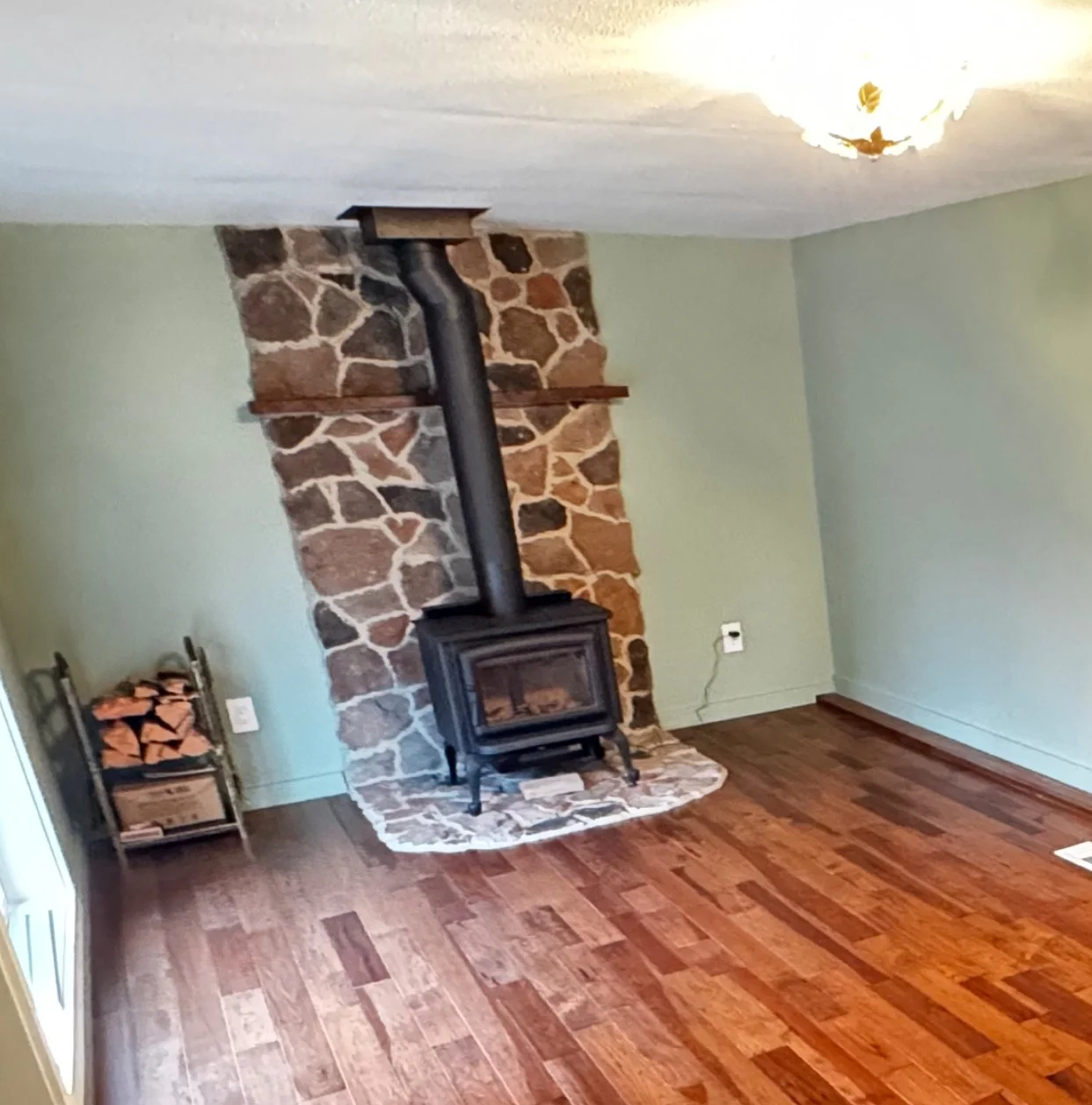
5 Signs Your Home Is Ready for a Major Renovation Instead of Another Quick Fix
There’s nothing wrong with fixing things as they come up. Sometimes a repair is exactly what your home needs. But if you find yourself fixing the same area over and over, replacing one thing only to discover another problem right behind it, or working around a layout that has never really worked for your family, it may be time to stop patching and start planning.
A major renovation doesn’t necessarily mean tearing your entire house apart. It means looking at the bigger picture and deciding whether a more comprehensive project makes more sense than continuing with one small fix at a time.
Here are five signs it may be time to think bigger.
1. You Keep Repairing the Same Areas
If you’ve repaired the same bathroom, replaced parts of the same deck, or dealt with the same plumbing, drywall, flooring, or water issues more than once, the problem may be bigger than the individual repair.
Repeated repairs can add up quickly without really improving the underlying space. At some point, it’s worth stepping back and asking whether you’re putting money into temporary solutions when a larger renovation could address the area properly.
Sometimes the best fix is to stop fixing the same thing.
2. Your Layout No Longer Works for You
Maybe your kitchen is too closed off. Maybe the bathroom is cramped, the laundry room is in the wrong place, or you’ve simply outgrown the way your home is laid out.
A house can be in perfectly good condition and still not function well for the people living in it.
If you’re constantly thinking, “I wish this was over here,” or “If we could just open this up,” that’s often a sign that you’re looking at a renovation rather than a repair. Changing a layout can completely change how a home feels and functions.
3. Multiple Rooms Need Work
One outdated room is one thing. But when the kitchen needs updating, the bathroom is showing its age, the flooring is worn throughout the house, and the paint and finishes no longer feel cohesive, tackling each project separately may not be the best approach.
When several areas need attention, it’s worth looking at the home as a whole.
A larger renovation can allow you to coordinate materials, finishes, electrical or plumbing changes, and the overall design instead of making decisions room by room over several years.
4. The Finishes — and Sometimes the Systems — Are Showing Their Age
Some homes simply reach a point where more than a cosmetic update is needed.
Older flooring, cabinets, countertops, fixtures, windows, electrical components, plumbing, or other systems may all be nearing the end of their useful life. You don't necessarily need to replace everything at once, but when several aging components are coming due at the same time, planning a larger project can make more sense.
It also gives you an opportunity to update things while the walls, ceilings, floors, or cabinets are already being opened up rather than paying to access the same areas again later.
5. Your Quick Fixes Are Starting to Feel More Expensive Than the Problem
This may be the biggest sign of all.
A small project here and another one there can seem manageable. But after enough repairs, replacements, and temporary solutions, you may realize you’ve spent a significant amount of money without getting the home you actually want.
That’s when it makes sense to stop and compare the options.
Would you rather keep putting money into individual fixes, or put those dollars toward a renovation that improves the space, solves multiple problems at once, and gives you a home that works better for the long term?
Sometimes the Right Answer Is to Think Bigger
Not every problem requires a major renovation. There are plenty of times when a straightforward repair or smaller update is the smartest choice.
But if you’re repeatedly repairing the same areas, struggling with an outdated layout, dealing with multiple rooms that need attention, or spending more and more money just to keep things functioning, it may be time to look at the bigger picture.
A major renovation can be a bigger investment upfront, but it can also give you the opportunity to solve problems instead of continually working around them.
If you’re wondering whether your home needs another quick fix or a more comprehensive plan, that’s a conversation worth having before you start the next project.

The True Cost of a Home Remodel: Why Estimates Can Vary So Much
Getting estimates for a home remodel can sometimes leave homeowners wondering how the numbers could possibly be so different.
You might talk to three contractors and receive three very different prices for what seems like the same project.
Before assuming one contractor is simply charging too much, it's worth taking a closer look at what each estimate actually includes.
A remodel estimate isn't just a number for labor and materials. It's the result of everything the contractor believes will be required to complete the project.
And sometimes, those details are very different from one estimate to another.
Start With the Scope
The first thing to compare is the scope of work.
If one contractor is replacing cabinets, flooring, drywall, electrical, and trim while another is only including the cabinets and flooring, those estimates aren't really for the same project.
This can happen even when the initial conversations sound identical.
A homeowner may say, "We're remodeling the kitchen," while each contractor has a different understanding of what that means.
A detailed scope helps eliminate that confusion.
Look at what is being removed, what is being installed, what surfaces are being prepared, what gets finished, and what is specifically excluded.
Materials Can Change the Number Quickly
There can be a huge range in the cost of materials and finishes.
Cabinetry, countertops, flooring, tile, plumbing fixtures, lighting, doors, windows, and hardware can all have multiple price points.
Two contractors could be estimating the same kitchen layout but using very different assumptions about the products going into it.
That's why it's important to know whether the estimate includes specific materials, a budget allowance, or simply assumes the homeowner will purchase them separately.
A lower estimate isn't necessarily using the same materials as a higher one.
Labor Isn't Just the Time Spent Installing Something
Labor is another major part of a remodel, and it's more complicated than simply counting hours.
A contractor has to account for demolition, preparation, installation, cleanup, coordination, material handling, and the work required to get each part of the project ready for the next trade.
For example, installing new flooring isn't necessarily just the cost of putting down the new flooring.
What happens to the existing flooring? Does the subfloor need preparation? Are there transitions to deal with? Does trim need to be removed and reinstalled? Are there areas that need leveling?
The finished product depends on all of those steps.
Prep Work Can Be Easy to Overlook
Preparation is one of the biggest reasons estimates can vary.
Two kitchens might look similar on the surface, but once demolition begins, one could require significantly more preparation.
Walls may need to be repaired. Floors may need leveling. Old materials may need additional removal. Plumbing or electrical may need to be brought up to current requirements.
Some of that can be identified during the estimating process. Some things simply can't be known until the existing construction is opened up.
A good estimate should account for the work that can reasonably be anticipated while also making it clear where unknown conditions could affect the final cost.
Existing Homes Come With Unknowns
Remodeling an existing home is different from building something new.
Once walls, ceilings, cabinets, or flooring are removed, you may discover conditions that weren't visible during the initial walkthrough.
Old wiring, plumbing problems, water damage, structural issues, inadequate framing, or previous work that wasn't completed properly can all change what is required.
That's why a responsible contractor shouldn't promise that there will never be additional costs on a renovation.
Instead, they should explain what is known, what is uncertain, and how unexpected conditions will be handled if they come up.
Permits and Inspections Are Part of the Project
Depending on the project and location, permits and inspections may be required.
Those costs — along with the work needed to meet applicable requirements — should be considered when comparing estimates.
If one estimate includes permit-related work and another doesn't, the numbers may look very different even though both contractors are approaching the same renovation.
Ask what's included rather than assuming every estimate covers the same requirements.
Allowances Can Make Estimates Look Lower
You may also see allowances in a remodel estimate.
An allowance is essentially a budget amount set aside for something that hasn't been selected yet.
For example, a contractor might include an allowance for tile, plumbing fixtures, or lighting.
That's useful when selections haven't been made, but homeowners need to understand what happens if the actual product costs more or less than the allowance.
A $5,000 allowance doesn't mean you have unlimited choices for $5,000.
It means the estimate currently includes $5,000 toward that particular item.
Compare Estimates Line by Line
When you receive multiple estimates, don't just compare the final numbers.
Put them next to each other and ask:
Is the scope the same?
Are the same materials included?
Is demolition included?
Is preparation included?
Are permits included?
Are subcontractors included?
Are cleanup and disposal included?
Are there allowances?
What is excluded?
How are unexpected conditions handled?
Once you start comparing the details, you may discover that the estimates aren't nearly as different as they initially appeared — or you may discover that they really are pricing different projects.
The Cheapest Estimate Isn't Always the Cheapest Project
A lower estimate can certainly be a legitimate lower-cost approach.
But if important work is missing from the scope, you may eventually end up paying for that work anyway.
The goal shouldn't be to find the lowest number on a piece of paper.
The goal should be to understand what you're actually getting for that number.
A thorough estimate may initially look more expensive simply because it accounts for more of the work required to complete the project properly.
Ask Questions Before You Compare Prices
If you aren't sure why one estimate is higher than another, ask.
A good contractor should be able to walk you through the scope and explain what is included.
You don't need to know every construction term or understand every line item. You just need enough information to make a fair comparison.
When you're investing a significant amount of money into your home, understanding the estimate is just as important as looking at the final price.
A remodel estimate is more than a number. It's a plan for what the contractor believes it will take to turn your existing space into the finished project you're expecting.
The better you understand what's behind that number, the easier it is to compare your options and make an informed decision.
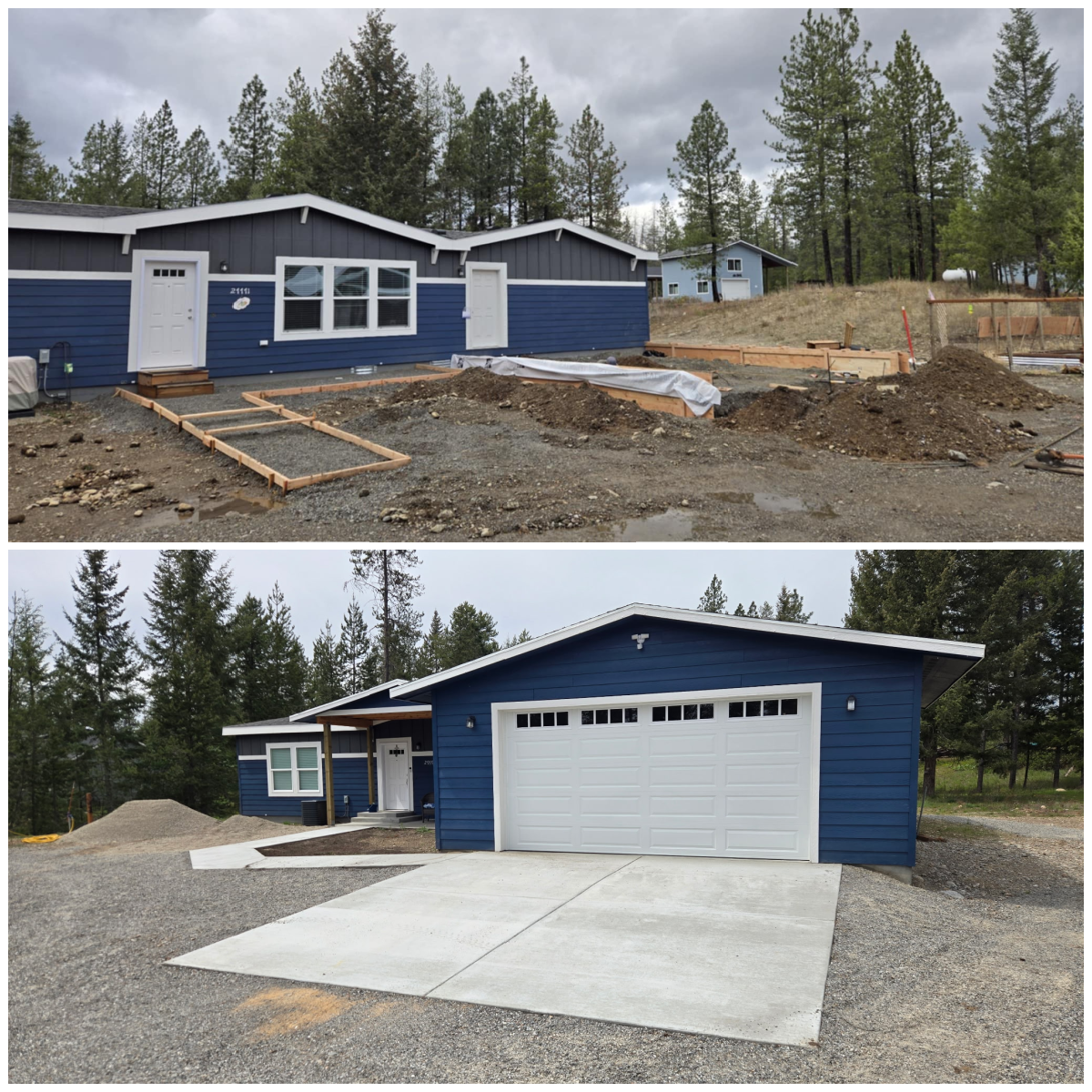
Home Additions: When Does Adding Space Make More Sense Than Moving?
At some point, many homeowners find themselves asking the same question:
Should we add onto the house, or should we just move?
Maybe the family has grown. Maybe you need a home office, a larger kitchen, another bedroom, or more room for guests. Sometimes the house itself still feels like home, but the layout no longer works for the way you live.
Moving can seem like the obvious answer.
But selling your home and buying another one isn't always the only way to get the space you need. Depending on your property, an addition may be worth considering.
The trick is figuring out whether you're trying to find a different house — or whether you actually want to make your current house work better.
Start With What You're Actually Missing
Before talking about square footage, think about what isn't working in your current home.
Do you need another bedroom? A larger primary suite? A dedicated office? More space for entertaining? A bigger kitchen? A mudroom or storage area?
Being specific about the problem helps you determine whether an addition can actually solve it.
Adding 500 square feet doesn't automatically make a house function better. The new space needs to connect to the existing home in a way that improves how you use the entire house.
Look at What Your Property Can Handle
Not every home is a good candidate for a major addition.
Your lot size, existing layout, setbacks, utilities, access, grading, and local requirements can all affect what is possible.
That's why the conversation shouldn't start with, "How big can we make it?"
It should start with, "What can realistically be added here, and where would it make the most sense?"
Sometimes the answer is a rear addition. Sometimes it's building outward in another direction. In other situations, finishing or reconfiguring existing space may accomplish what you need without adding a completely new footprint.
Don't Forget the Existing Floor Plan
One of the biggest advantages of an addition is the opportunity to rethink how the house functions.
A new room shouldn't feel like it was simply attached to the back of the house.
A well-planned addition should make sense with the existing floor plan. That may mean widening an opening, changing the location of a hallway, relocating a door, reworking a kitchen, or adjusting how rooms connect.
The goal isn't just more space.
It's better space.
Think About the Long-Term Value
If you're considering an addition, it's worth thinking about how the changes will affect the home over time.
Will the additional bedroom make the house more functional for your family? Will a larger kitchen improve the main living area? Will an added primary suite make the home more useful for years to come?
And while no renovation guarantees a specific return when you eventually sell, it can be useful to consider how the finished home fits with the surrounding neighborhood and what future buyers may expect.
An addition should ideally improve the way you live in the house now while making sense as part of the property later.
Compare the Real Cost of Moving
It's easy to compare an addition estimate to the listing price of another house and stop there.
But moving comes with costs of its own.
There are selling costs, moving expenses, potential repairs or updates before selling, and the cost of making the new house your own. And the house you move into may still need changes to give you the layout or finishes you actually want.
That doesn't mean an addition will always be the less expensive option.
A major addition is a significant construction project, and homeowners need to be realistic about the investment involved.
The point is to compare the complete picture, not just two price tags.
Be Honest About Living Through Construction
This is one area where moving has an obvious advantage.
With an addition, you're still living at home while a major construction project is happening around you.
There will be noise, dust, deliveries, workers coming and going, and periods when parts of your home may be less accessible.
Depending on the project, you may also be without certain rooms or utilities for periods of time.
That's something to discuss before deciding that an addition is the right answer.
If you're willing to live through the process because you love your property and want to stay there long-term, an addition can be a great way to transform the home you already have.
Sometimes the Answer Is a Combination
An addition doesn't have to mean simply building a new room onto the existing house.
A major addition can be an opportunity to renovate the areas around it at the same time.
For example, adding space to a kitchen may lead to a completely new kitchen layout. Adding a primary suite may mean updating the hallway and adjacent spaces. Expanding the back of the house may be the perfect time to rethink flooring, lighting, doors, or the connection to the outdoor living area.
That's where thinking about the whole project becomes important.
If you're already investing in a major addition, you don't want to finish it and immediately realize the rest of the house no longer works with the new space.
So, Should You Add On or Move?
There isn't one answer that works for every homeowner.
If you don't like the location, the property has significant limitations, or the changes you need aren't realistic for the home, moving may make more sense.
But if you love your neighborhood, your property has potential, and your biggest problem is that the house no longer fits your needs, an addition may be worth exploring.
Start by asking yourself three questions:
Do we love where we live?
Can our property realistically accommodate the space we need?
Would changing the house solve the problems that are making us consider moving?
If the answer to all three is yes, it may be worth looking at what is possible before putting a "For Sale" sign in the yard.
Sometimes you don't need a different house.
You just need a house that works differently.

How to Choose a General Contractor for a Major Home Renovation
Choosing a contractor for a major home renovation is a little different from hiring someone for a small project.
When you're replacing a faucet, painting a room, or tackling a simple home improvement project, you may be able to focus primarily on the specific task. A major renovation is different. There are more moving parts, more decisions, more people involved, and usually a much larger investment.
That's why choosing the right general contractor is about more than finding someone who can do the work.
You want someone who can see the entire project.
Look for Experience With the Type of Project You're Planning
Start by looking at the contractor's experience with projects similar to yours.
A contractor who primarily handles small repairs may not have the same experience managing a whole-home renovation, addition, or major kitchen and bathroom remodel.
Ask about projects they've completed that are similar in size and complexity to yours. Look at their work, read reviews, and ask questions about how they approach larger projects.
You're not just looking for someone who can complete individual tasks. You're looking for someone who understands how all those tasks fit together.
Pay Attention to Communication
Communication becomes much more important as a project gets bigger.
Before hiring someone, pay attention to how they communicate with you during the estimating process.
Do they answer your questions? Do they explain things clearly? Do they listen to what you actually want? Are they upfront when something needs to change?
A major renovation will involve decisions and unexpected situations along the way. You want to know how those conversations will work before construction starts.
Make Sure the Scope Is Clear
A good estimate should make it clear what you're actually paying for.
The scope should outline the work being completed, the materials or finishes being provided when applicable, and anything that is specifically excluded.
This doesn't mean every detail of a major renovation can be predicted perfectly. Existing homes can always reveal surprises once walls or floors are opened.
But the more clearly the project is defined from the beginning, the easier it is for everyone to understand what is included and how changes will be handled.
Don't Choose a Contractor Based Only on the Lowest Estimate
Price matters. It's a major part of any renovation decision.
But comparing contractors based solely on the bottom-line number can be misleading.
Two estimates can look very different because the scopes are different. One may include more labor, better materials, additional preparation, project management, or work that another contractor left out.
Instead of simply asking, "Who is cheapest?", compare what you're actually getting for the price.
You want to understand the project behind the number.
Ask Who Will Actually Be Doing the Work
General contractors often coordinate multiple trades and subcontractors during a renovation.
Ask who will be working on your project and how those different trades will be managed.
You don't necessarily need one person doing every part of the renovation. In fact, larger projects often require specialized skills.
What matters is having someone responsible for coordinating those pieces so the project doesn't become a collection of unrelated jobs.
Project Management Matters
A major renovation isn't just a list of tasks.
Someone has to coordinate scheduling, materials, trades, inspections, deliveries, changes, and the order in which everything happens.
For example, electrical work may need to happen before drywall. Plumbing may need to be completed before walls are closed. Cabinets can affect countertop measurements, and flooring can affect trim and transitions.
The order matters.
A good general contractor is thinking about those connections throughout the project rather than simply checking off one task at a time.
Don't Forget Permits and Inspections
Depending on the scope and location of your project, permits and inspections may be required.
Ask your contractor how permitting will be handled and who is responsible for coordinating required inspections.
You don't want to discover halfway through a renovation that an important part of the project wasn't planned correctly from the beginning.
Look for Someone Who Understands the Whole House
This may be the most important consideration of all.
If you're planning a major renovation, think beyond the individual room.
Maybe you're remodeling the kitchen now but eventually want to update the living room and flooring. Maybe you're finishing an addition that will eventually connect to an existing space. Maybe you're remodeling one bathroom now and another later.
A contractor who understands the bigger picture can help you make decisions today that won't create problems tomorrow.
That doesn't necessarily mean you need to complete the entire project at once.
It means the entire project should be considered before the first phase begins.
The Right Questions to Ask
Before hiring a general contractor for a major renovation, consider asking:
Have you completed projects similar to mine?
Who will be working on the project?
How do you coordinate subcontractors and specialty trades?
What exactly is included in the estimate?
How are changes handled?
Who handles permits and inspections?
How will the project schedule be managed?
How will we communicate during construction?
What happens if something unexpected is discovered?
Can you help me plan the project if I'm completing it in phases?
You don't need a contractor who promises that everything will go perfectly.
You need someone who has a plan for managing the project when things don't go exactly as expected.
A Major Renovation Requires More Than a Skilled Hand
A large remodel involves design decisions, estimating, scheduling, materials, trades, permits, communication, and hundreds of smaller decisions along the way.
That's why choosing a general contractor shouldn't come down to finding the person who can perform the most individual tasks.
Look for someone who can put all of the pieces together.
The goal isn't simply to get through construction. It's to have a renovation that was properly planned from the beginning and comes together as one cohesive project.
If you're considering a major renovation in North Idaho, start by defining what you ultimately want your home to look and function like. From there, you can determine what needs to happen now, what can wait, and what should be planned for the future.
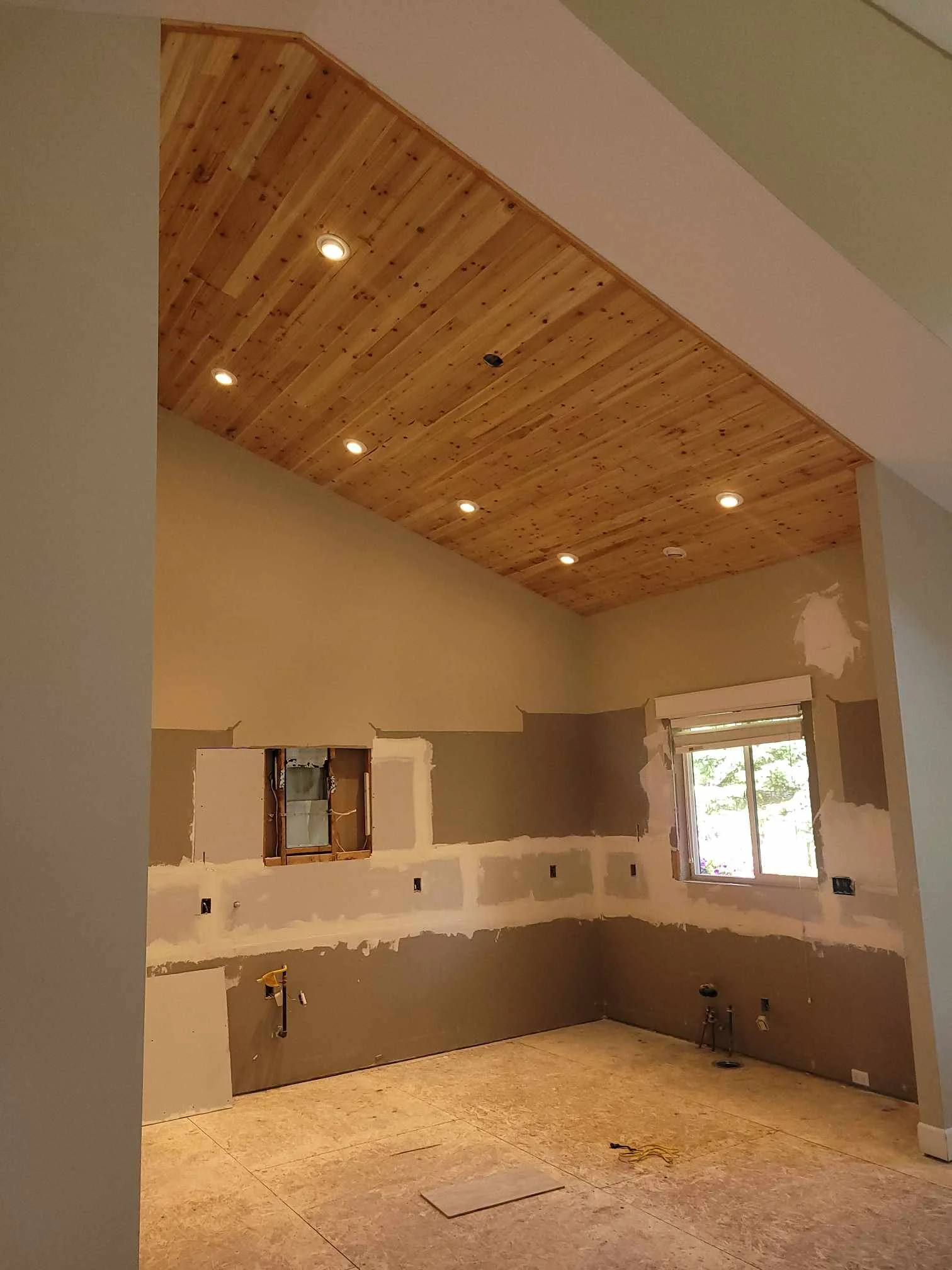
Should You Remodel in Phases or Complete Everything at Once?
When you’re looking at a major home renovation, one of the first questions to answer isn’t necessarily what you want to remodel. It’s how you want to tackle it.
Do you renovate the kitchen, bathrooms, living spaces, and other areas all at once? Or do you break the project into phases and work through the house over time?
Both approaches can make sense. The right choice depends on your budget, how much disruption you’re comfortable with, the condition of your home, and how well the different parts of the project connect to each other.
The important thing is to make that decision before the first phase begins.
Remodeling Everything at Once
There are some real advantages to completing a larger renovation as one project.
For one, you only have to go through the major disruption once. If your kitchen, flooring, walls, lighting, and adjacent living spaces all need work, doing everything together can mean fewer rounds of demolition, dust, moving furniture, and living around construction.
There can also be some efficiency in keeping the project moving as one coordinated renovation. Trades can work together, materials can be ordered at the same time, and decisions about finishes can be made with the entire home in mind.
That continuity matters more than people sometimes realize.
If you know you eventually want the kitchen, hallway, living room, and dining area to have the same flooring, paint colors, trim, or design style, planning those spaces together helps keep the finished home cohesive.
It can also prevent the frustrating situation of completing one room now, only to discover that the next phase requires tearing into something you just finished.
When Phasing Makes More Sense
Of course, completing everything at once isn't realistic for every homeowner.
A phased remodel can make a larger renovation more manageable financially and logistically. Instead of taking on a $100,000 renovation all at once, for example, you may decide to complete the primary bathroom first, then the kitchen, followed by other living spaces or exterior improvements.
Phasing can also make sense when certain areas of the home are more urgent than others.
Maybe the bathroom needs attention now, while the kitchen is functional but outdated. Or perhaps you're preparing to move into the home and want to address the most important areas first.
The key is making sure Phase 1 is planned with Phase 2 in mind.
Don't Let Phase 1 Create a Problem for Phase 2
This is one of the biggest things homeowners should think about before starting a phased renovation.
If you know you're eventually replacing the flooring throughout the main level, for example, it may not make sense to install new flooring in one room without considering how it will transition into the future work.
The same goes for electrical, plumbing, drywall, cabinetry, trim, paint, lighting, and even wall layouts.
Sometimes spending a little more during the first phase to prepare for future work can save you from paying to undo completed work later.
A good renovation plan should look at the whole picture, even if you're only building one piece of it right now.
Budgeting Is About More Than the Price of Phase 1
Phasing a project doesn't necessarily mean the overall renovation will cost exactly the same as doing everything together.
Each phase can involve its own setup, protection, demolition, cleanup, material ordering, and mobilization. Some efficiencies that come from keeping a project moving may be lost when a contractor has to return months or years later.
That doesn't mean phasing is a bad idea. It simply means you should look at the long-term plan, not just the price of the first phase.
If financing is part of the decision, it can also be helpful to understand what you can comfortably take on now versus what you'll realistically be able to budget for later.
Materials and Finishes Should Be Considered Early
One of the easiest things to overlook when phasing a remodel is material continuity.
Paint colors can change. Flooring can be discontinued. Tile collections can sell out. Cabinet styles and hardware can become unavailable.
If you know you're eventually going to continue the renovation, keep records of the materials, colors, manufacturers, product numbers, and finishes used in the first phase.
Better yet, discuss the future phases with your contractor before the first phase begins. That gives everyone a chance to think through transitions and identify anything that should be purchased or prepared ahead of time.
So Which Approach Is Right for You?
Sometimes completing everything at once makes the most sense.
Sometimes breaking the project into manageable phases is the better fit.
The important part isn't choosing one approach simply because it sounds cheaper or faster. It's understanding what the entire renovation is going to look like and then deciding how to get there.
If you're considering a larger remodel but aren't sure whether it should be one project or several, start with the end goal.
What do you ultimately want your home to look and function like?
Once you know that, you can work backward and decide which projects need to happen together, which can wait, and what needs to be planned now so future work doesn't undo the work you've already paid for.
A phased remodel can absolutely work. So can a whole-home renovation. The difference is in the planning.
At Mr Clean Fix, we help North Idaho homeowners look at the bigger picture of a renovation so the work can be planned around the home, the budget, and the way you actually want to live in it.

Whole-Home Remodeling: How to Create a Cohesive Look Without Rebuilding Everything
When a home feels dated or disconnected from room to room, it’s easy to assume the solution is a complete gut remodel.
Sometimes it is.
But often, it isn’t.
A whole-home remodel doesn’t necessarily mean tearing everything out and starting over. In many homes, the biggest transformation comes from identifying what needs to change, what can stay, and what updates will help everything work together.
The goal is to make the house feel intentional and cohesive—not like every room was remodeled at a different time.
Start With the Big Picture
Before choosing paint colors, flooring, or cabinets, look at the home as a whole.
What feels dated? What feels out of place? Which areas are already in good shape? Are there finishes that could be updated rather than replaced?
Sometimes the kitchen needs a major overhaul while the living room only needs new flooring and paint. A bathroom may need a complete update, while another bathroom could look dramatically different with a new vanity, lighting, mirror, and flooring.
Thinking about the entire house first helps prevent spending money simply for the sake of changing things.
Flooring Can Tie Everything Together
Flooring is one of the easiest ways to create continuity throughout a home.
That doesn’t necessarily mean using the exact same flooring everywhere. But choosing complementary flooring materials, colors, and transitions can make separate spaces feel connected.
If you're replacing flooring in several areas, it’s worth considering how those choices will flow from the entryway into the living spaces, kitchen, hallways, and bedrooms.
A consistent foundation can make even rooms with very different purposes feel like part of the same home.
Trim and Doors Make a Bigger Difference Than You Might Expect
Interior doors, baseboards, casing, and other trim details can quietly make a house feel either cohesive or pieced together.
If one room has newer, wider trim while another still has older narrow casing, the difference can stand out more once other areas are remodeled.
Updating trim and doors throughout the main areas of the home can create a much more finished look without requiring major structural work.
Sometimes the details are what make the remodel feel complete.
Paint Is More Than Picking a Color
A whole-home paint plan doesn't mean every wall needs to be the same color.
Instead, think about how the colors work together.
A consistent neutral palette can help different rooms transition naturally, while strategically chosen accent colors can give kitchens, bathrooms, bedrooms, or other spaces their own personality.
Paint can also help connect older elements with newer ones. If you're keeping existing cabinets, flooring, or trim in certain areas, the right wall color may help those elements work with the finishes you're adding elsewhere.
Kitchens and Bathrooms Don't Have to Match—But They Should Belong Together
Kitchens and bathrooms often receive the most attention during a remodel, but they don't need to look identical.
Instead, look for common elements.
That might be similar cabinet colors, complementary countertops, consistent hardware finishes, coordinating lighting, or a repeated tile or color family.
For example, a kitchen with warm cabinetry and simple hardware can pair beautifully with a bathroom using a similar wood tone and metal finish without making the two spaces look like they came from the same showroom.
The goal isn't repetition. It's connection.
Lighting Can Change the Feel of the Entire House
Lighting is another area where older homes can feel inconsistent.
A whole-home remodel is a good opportunity to look at the lighting plan—not just individual fixtures.
Updating outdated fixtures, adding recessed lighting where appropriate, improving task lighting in kitchens and bathrooms, and making sure rooms have adequate ambient lighting can make a surprisingly large difference.
And because lighting affects how paint, flooring, cabinets, and other finishes actually look, it should be considered alongside the rest of the remodel rather than treated as an afterthought.
Decide What Actually Needs to Change
This may be the most important part of a whole-home remodel.
Not everything needs to be replaced.
If the layout works, keep it.
If the hardwood floors are in good condition, consider refinishing them rather than replacing them.
If the doors are solid and functional, maybe they need paint or updated hardware instead of replacement.
If the cabinets are structurally sound, there may be ways to update the surrounding space without completely rebuilding the kitchen.
The right remodel isn't necessarily the one with the longest scope of work. It's the one that makes the biggest difference with the work that actually needs to be done.
Think in Phases When It Makes Sense
A cohesive whole-home plan doesn't mean everything has to happen at once.
Sometimes the best approach is to establish the overall direction first and then complete the work in phases.
That might mean tackling the kitchen and main living areas first, followed by bathrooms, bedrooms, flooring, or other updates later.
Planning ahead allows future projects to work with what you've already completed instead of creating another collection of mismatched finishes.
A Whole-Home Remodel Should Still Feel Like Your Home
The goal of a larger remodel isn't to erase everything that makes the house yours.
It's to bring the home together.
By looking at flooring, trim, doors, paint, cabinetry, lighting, kitchens, bathrooms, and other finishes as pieces of one larger plan, you can create a home that feels updated and intentional without automatically replacing everything.
Sometimes a home needs a complete renovation.
Sometimes it needs a carefully chosen collection of updates.
Knowing the difference is part of good remodeling—and it's one of the reasons planning the whole home before starting the work can make such a difference.
If you're considering updates throughout your home, we're happy to help you look at the project as a whole and figure out where your investment will make the biggest impact.
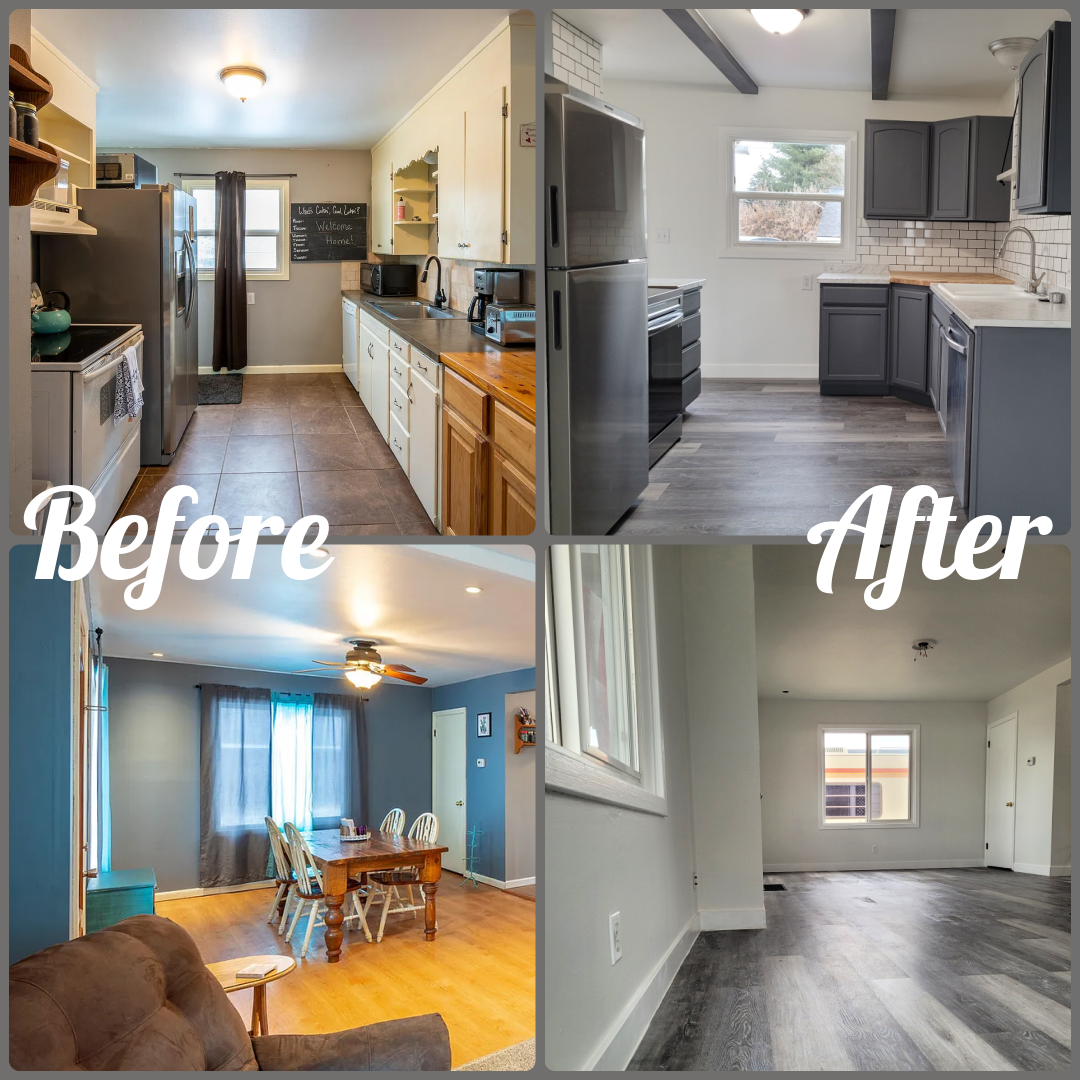
Buying a Fixer-Upper? What to Look for Before You Make an Offer
There’s something exciting about a fixer-upper.
Maybe it has the location you want, the yard you love, or a price that makes you think, We could turn this into exactly what we want.
And sometimes, you absolutely can.
But before you make an offer based on what the house could be, it’s important to take a good look at what you're actually buying.
A house that needs new paint, flooring and updated finishes is one thing. A house that needs structural work, major system upgrades and a complete reconfiguration is something very different.
The difference isn't always obvious when you're walking through with a real estate agent.
Here are some things we recommend thinking about before falling in love with the potential.
Look Beyond the Paint and Flooring
Cosmetic problems are usually the easiest part of a fixer-upper.
Old carpet, outdated cabinets, ugly paint colors, worn flooring and dated fixtures can make a house look like it needs a tremendous amount of work when the underlying house is actually in good shape.
Those things can also make a property look worse than it really is.
The opposite can be true, too.
Fresh paint and new flooring can make a house look great while bigger problems are hiding underneath.
When you're walking through a potential fixer-upper, try to separate what you don't like from what actually needs to be fixed.
You can change paint.
You can change flooring.
You can change cabinets.
Changing the basic structure or layout of the house is a much bigger conversation.
Pay Attention to the Layout
One of the biggest questions to ask is whether the existing layout can realistically become what you want.
Maybe you want a larger kitchen.
Maybe you want to open the main living area.
Maybe you want to add another bathroom, create a primary suite, or turn an unused space into an office.
Before assuming that a wall can come down or a room can be moved, consider what's behind it.
Is it structural?
Are there plumbing lines in the way?
Is electrical work going to be complicated?
Will moving one room create problems somewhere else?
A house with an imperfect layout isn't necessarily a bad investment. In fact, sometimes the layout is exactly what makes a fixer-upper worth considering.
But you want to understand the possibilities before you make an offer—not after you own the house.
Don't Ignore the Major Systems
This is where a little extra caution can save you from a very expensive surprise.
Pay attention to the age and condition of things like:
Roofing
Electrical
Plumbing
Heating and cooling
Water heaters
Windows and exterior doors
Foundation and drainage
Insulation
You don't necessarily need everything to be new.
An older home can still be a fantastic home.
The important thing is knowing what you're working with and what may need attention soon.
If you're planning to spend $50,000 remodeling the kitchen and bathrooms, but the house also needs major electrical, plumbing and structural work, that changes the overall project considerably.
Look for Signs of Structural Problems
Some problems are more concerning than others.
Cracks, uneven floors, doors that don't close properly, water intrusion, significant settling or other unusual conditions are worth investigating before you assume they're just part of an older house.
This doesn't mean every crack is a disaster.
It means you shouldn't build your renovation budget around the assumption that every problem is cosmetic.
If something catches your attention during the walkthrough, find out what it is.
Sometimes the answer is simple.
Sometimes it requires a professional evaluation.
Either way, it's much better to know before you buy.
Think About Permits Before You Make Big Plans
If your dream for the house involves moving walls, adding rooms, changing plumbing or electrical, finishing previously unfinished space, or building an addition, don't assume every idea will automatically be allowed.
Permitting requirements can affect both your budget and your timeline.
Your plans may also be affected by existing conditions, property limitations or local requirements.
That's one reason it's helpful to think about the renovation as a project—not just a collection of individual improvements.
Before you decide that a house is a bargain because you can "just remodel it," make sure the remodel you're imagining is actually realistic.
Calculate the Renovation—Not Just the Purchase Price
This is probably the biggest mistake we see people make when thinking about fixer-uppers.
They look at the purchase price and the finished value, then estimate the renovation based on what they think individual projects should cost.
But major remodels aren't usually just a list of materials.
There can be demolition, preparation, framing, electrical, plumbing, drywall, flooring, cabinetry, countertops, tile, painting, permits, finish work and all of the little things that connect those pieces together.
And once walls start opening up, you may discover conditions that weren't visible during the initial walkthrough.
That's why it's important to leave some room in the budget for the unexpected.
A fixer-upper can still be a great opportunity. You just don't want the entire deal to depend on everything going perfectly.
Think About the House You Want to End Up With
Here's the fun part.
Once you've looked at the problems, look at the potential.
Can you create the kitchen you've always wanted?
Could an awkward floor plan become a great open living space?
Is there room for the bathroom you've been missing?
Could an addition give your family the space you need without leaving the neighborhood you love?
A fixer-upper doesn't have to be perfect when you buy it.
It needs to have potential that makes sense.
The best renovation opportunities aren't necessarily the houses that need the least work. They're the ones where the existing house, property and renovation goals come together in a way that makes sense.
Don't Let the Purchase Happen Before the Plan
If you're seriously considering a fixer-upper, one of the smartest things you can do is start thinking about the renovation before you make the offer.
You don't need a complete set of construction drawings or a finished material list.
But you should have a realistic idea of what you're trying to accomplish, what the house needs, and what kind of investment you're potentially taking on.
Even a conversation with a contractor can help you look at the property differently.
Instead of walking through asking, "Can I live with this?" you can start asking, "What would it take to turn this into the house I actually want?"
Those are two very different questions.
A Fixer-Upper Can Be a Great Opportunity—If the Numbers Work
There is nothing wrong with buying a house that needs work.
Some of the most rewarding homes are the ones that start out a little rough around the edges.
The key is going into it with your eyes open.
Look past the ugly finishes, but don't overlook the expensive problems. Think about the layout, investigate the major systems, understand what your renovation plans could involve, and build a realistic budget before deciding that you've found a bargain.
Because the goal isn't simply to buy a fixer-upper.
The goal is to buy a house where the work required to create the home you want actually makes sense.
Thinking about buying a home that needs some work? Mr. Clean Fix can help you think through the renovation possibilities and what it may take to get the house where you want it to be.
Sometimes a fixer-upper is exactly the opportunity you're looking for.
And sometimes, taking a closer look before making the offer can save you from buying someone else's expensive surprise.
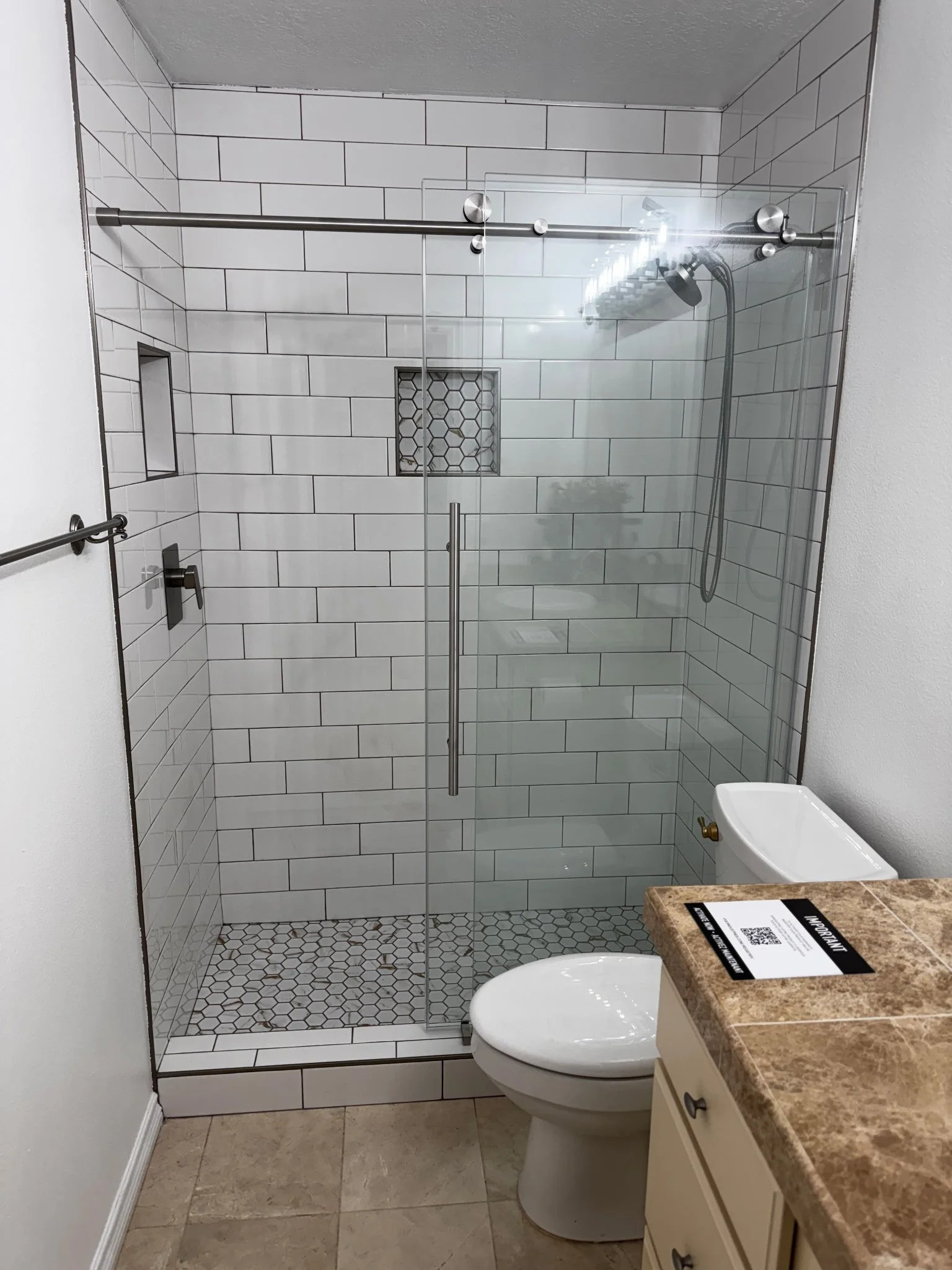
Thinking About a Shower Remodel? What Homeowners Should Know Before Choosing a New Shower Door
A new shower door can completely change the look and feel of a bathroom.
We were reminded of that this week after installing two new shower doors for local homeowners. While a shower door might seem like a small part of a bathroom remodel, the right door can make the space feel more open, finished, and intentional.
But choosing one isn't always as simple as picking the style you like best.
There are a few things homeowners should think about before ordering a shower door—especially because the existing shower or tub opening can determine what will actually work.
Start With the Shower You Have
The first question is whether you're working with a tub/shower combination, a standard shower enclosure, or a larger walk-in shower.
Each setup has different options.
For a tub/shower combination, a sliding door is often a practical choice because it doesn't require additional clearance into the bathroom. For a larger walk-in shower, homeowners have more flexibility with fixed glass panels, hinged doors, or larger frameless configurations.
The size and shape of the opening matter, too.
That's why it's important to measure the actual opening rather than assuming a particular door will fit because the dimensions seem close.
Framed, Semi-Frameless or Frameless?
Once you know what type of opening you're working with, you can start thinking about the look.
Framed doors have more visible metal around the glass and have been a popular choice for years. They can be a good practical option, particularly when working with certain existing openings.
Semi-frameless doors reduce some of the visible framing while still providing structure where it's needed. They offer a cleaner, more updated appearance without necessarily going all the way to frameless.
Frameless doors have minimal hardware and framing, giving the bathroom a more open, modern look. They're especially popular in contemporary bathroom remodels because they allow more of the tile and shower design to remain visible.
None of these is automatically the "best" choice. The right option depends on the bathroom, the opening, the surrounding tile, the homeowner's style, and the budget.
Don't Forget the Hardware
The glass gets most of the attention, but the hardware matters more than you might think.
The finish you choose for the hinges, handles and other hardware can either tie the bathroom together or look completely out of place.
Black, brushed nickel, chrome and other finishes can all work beautifully depending on the rest of the bathroom.
If you're already remodeling the space, this is a good time to think about the shower door as part of the overall design rather than as a separate decision.
Your plumbing fixtures, cabinet hardware, lighting and shower door don't necessarily have to match perfectly—but they should look like they belong together.
The Existing Opening Can Change Everything
This is one of the biggest things homeowners sometimes don't realize.
A shower door isn't installed into a blank canvas.
The existing walls, tile, tub, shower opening and surrounding surfaces all affect the installation.
An opening that's slightly out of square, walls that aren't perfectly plumb, or an existing tub that isn't level can all affect which door will work and how it needs to be installed.
That's why measurements are so important.
A door that looks perfect online might not be the right choice for your particular bathroom.
And if you're remodeling the shower at the same time, it's even more important to plan the door before all of the surrounding work is finished. The door should be considered when planning the opening, tile and finished surfaces—not as an afterthought once everything else is done.
Think About How You'll Use the Bathroom
Looks are important, but so is everyday life.
Do you want a door that slides open because space is limited? Would a hinged door be easier to use? Is this a bathroom that gets used by kids every day, or a primary bathroom where you're creating more of a spa-like feel?
If you're planning to stay in your home for years, think beyond what looks good in a photo.
Think about what will be comfortable, practical and easy to live with.
A Shower Door Doesn't Have to Mean a Full Bathroom Remodel
One of the other things we've been reminded of lately is that not every bathroom project needs to turn into a complete renovation.
Sometimes the bathroom layout works perfectly well and the homeowner simply wants to update the shower area.
A new shower door can make a noticeable difference without replacing the entire bathroom.
On the other hand, if you're already planning to replace the tile, change the shower layout, update the vanity or make other major changes, that's when it makes sense to look at the bathroom as a whole and coordinate everything together.
The important part is knowing which situation you're dealing with before you start buying materials.
Planning a Bathroom Update?
Whether you're replacing a shower door or planning a larger bathroom remodel, the best place to start is with the existing space.
What works?
What doesn't?
What do you want to change?
And what needs to stay?
From there, you can choose the shower configuration, door style, glass, hardware and other finishes that make sense for both the space and the way you use it.
We've installed everything from smaller bathroom updates to complete bathroom remodels, and sometimes the right improvement is a full renovation. Other times, it's one well-chosen upgrade that makes the entire room feel better.
If you're considering a shower remodel or simply want to talk through your options, Mr. Clean Fix can help you figure out what makes sense for your bathroom before you start ordering materials.
Thinking about updating your bathroom?
Contact Mr. Clean Fix to talk through your project and see what options make sense for your home.

Renovating Before Selling: Which Home Improvements Are Actually Worth It?
If you're thinking about selling your home, it's natural to look around and start making a list.
The kitchen could use an update. The bathroom feels dated. Maybe the walls need fresh paint, the flooring has seen better days, or there are a handful of repairs you've been putting off.
But here's the important question:
Which improvements are actually worth doing before you put your home on the market?
Not every renovation will give you a return that makes sense. And spending tens of thousands of dollars on a project right before selling doesn't automatically mean you'll get that money back in the sale price.
The goal should be to make smart improvements that help your home show well, appeal to more buyers, and address problems that could make someone hesitate.
Start With the Things Buyers Will Notice
Before thinking about a major renovation, walk through your home as if you're seeing it for the first time.
What immediately stands out?
Worn flooring? Chipped countertops? Dated fixtures? Damaged trim? Walls that need paint? An outdated bathroom? A kitchen that feels dark or cramped?
These are the types of things that can influence a buyer's first impression.
You don't necessarily need to completely transform every room. Sometimes relatively straightforward improvements can make a home feel significantly more cared for.
Fresh paint, updated fixtures, repaired drywall, new trim, improved lighting, or replacing worn flooring can all help a home feel cleaner and more current.
The Kitchen Usually Deserves Attention
The kitchen is one of the rooms buyers tend to pay close attention to, but that doesn't mean you need to install a completely new luxury kitchen before selling.
Start by asking what the kitchen actually needs.
If the cabinets are in good condition, could they be refinished or repainted? Would new hardware and lighting make a difference? Could replacing the countertops or backsplash give the room a more updated appearance?
Sometimes a targeted kitchen update makes more sense than a full remodel.
On the other hand, if the kitchen is significantly outdated or poorly laid out, a larger renovation may be worth considering—especially if the improvements address problems that would otherwise make buyers look elsewhere.
The key is knowing where to stop.
Bathrooms Can Have a Big Impact
Bathrooms are another area where smaller improvements can make a noticeable difference.
Replacing an outdated vanity, mirror, lighting, fixtures, flooring, or worn finishes can give a bathroom a much fresher appearance.
If the shower or tub is damaged, outdated, or showing signs of water damage, addressing those problems can be especially important.
Again, the goal isn't necessarily to create the most luxurious bathroom in the neighborhood.
It's to create a bathroom that makes a buyer think:
"I can see myself living here."
Don't Ignore the Small Repairs
This is where a lot of homeowners can get caught up.
They start thinking about a $30,000 kitchen remodel while overlooking the loose handrail, damaged door, cracked drywall, sticking cabinet, missing trim, or other small issues throughout the house.
Buyers notice those things.
And even when an individual repair isn't a big deal, a long list of unfinished items can create the impression that the home hasn't been well maintained.
Before listing, make a punch list.
Walk through each room and make note of anything that is damaged, unfinished, worn, or simply not working the way it should.
Taking care of those items can often be a better investment than putting all of your money into one large cosmetic project.
Paint Is One of the Safer Updates
A fresh coat of paint can go a long way when you're preparing a home for sale.
If the walls are scuffed, heavily personalized, or painted in colors that may be difficult for buyers to envision themselves living with, a more neutral palette can help the home feel clean and move-in ready.
Paint can also make rooms feel brighter and more cohesive.
And unlike a major remodel, it's an improvement that can change the appearance of a home without completely changing its character.
Don't Forget Flooring and Lighting
Two things that can dramatically affect how a home feels are flooring and lighting.
Worn, damaged, or mismatched flooring can make an otherwise nice home feel tired.
Likewise, poor lighting can make rooms feel smaller and darker than they really are.
Replacing severely worn flooring or updating outdated light fixtures may be worthwhile, particularly when those improvements can make several rooms feel more cohesive.
You don't necessarily need to replace every floor in the house. Focus on the areas where the condition is most noticeable and where an improvement will have the greatest impact.
Fix Problems Before You Try to Hide Them
This is an important one.
If there's a known issue with the home, putting a cosmetic improvement over it doesn't make the problem disappear.
Water damage, plumbing problems, electrical issues, damaged siding, roof concerns, or other significant maintenance issues should be addressed appropriately.
Buyers and inspectors are likely to uncover major problems anyway, and discovering them during the sales process can create negotiations, delays, or lost confidence.
A home doesn't have to be perfect to sell.
But it should be honest, maintained, and ready for its next owner.
Don't Over-Improve for the Neighborhood
This is where homeowners can potentially spend more money than they'll ever recover.
If you're preparing a home for sale, look at the homes around you.
What are comparable homes selling for? What level of finish do buyers expect in your neighborhood? Are you making improvements that will actually help your home compete, or are you creating a house that is significantly more expensive than everything around it?
A beautiful, high-end kitchen is wonderful—but if the surrounding homes have much lower price points, you may not get the return you're expecting.
Renovation decisions should make sense for the home and the market.
Think Like a Buyer
One of the best ways to prioritize improvements is to stop thinking like the person who has lived in the house for years.
Think like someone walking through it for the first time.
Would you notice the outdated bathroom?
Would the flooring bother you?
Does the kitchen feel functional?
Are there obvious repairs that need attention?
Does the house feel clean, bright, and well maintained?
Would you be excited to move in—or immediately start making a list of everything you'd have to fix?
That perspective can help you determine where your money is best spent.
So, What Should You Renovate Before Selling?
There's no universal answer because every home and every market is different.
But generally, the best pre-sale improvements are the ones that:
Fix obvious problems
Improve the home's functionality
Make the home feel clean and well maintained
Update noticeably dated spaces
Improve first impressions
Help buyers picture themselves living there
Keep the improvements appropriate for the neighborhood
And sometimes, the best decision is not to take on a major renovation at all.
If you're selling soon, you may be better off investing in targeted repairs and cosmetic updates rather than starting a large project that won't be finished—or won't provide the return you're hoping for.
Planning to Sell?
At Mr. Clean Fix, we work with homeowners on everything from smaller pre-sale repairs and updates to larger remodeling projects.
If you're preparing to put your home on the market, we can help you look at the property as a whole and identify improvements that can make sense for your goals.
You don't have to renovate everything before you sell. You just need to know what matters.
If you're getting your home ready for the market in Coeur d'Alene or the surrounding North Idaho area, contact Mr. Clean Fix to talk through your project.
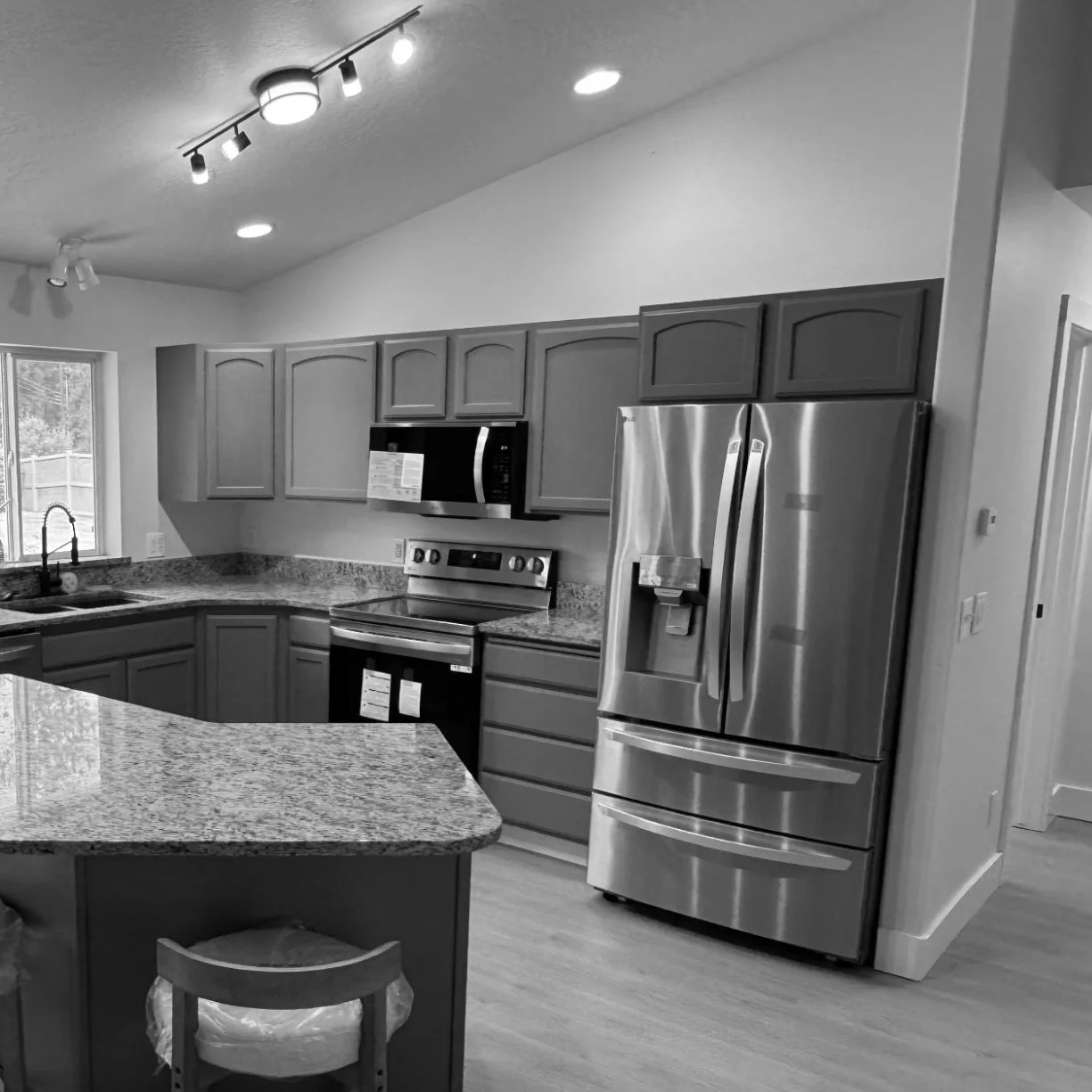
What Homeowners Should Know Before Starting a Kitchen Remodel
With Labor Day weekend here, we're taking a moment to appreciate something we know pretty well at Mr. Clean Fix: good work takes planning, skill, and a lot more behind the scenes than most people ever see.
A kitchen remodel is a perfect example.
From the first conversation about what isn't working in your current kitchen to the final cabinet adjustment and backsplash detail, a successful remodel involves dozens of decisions—and plenty of skilled work along the way.
If you're thinking about remodeling your kitchen, here's what we think homeowners should know before construction begins.
Start With How You Use Your Kitchen
Before you start picking out countertops or scrolling through cabinet colors, think about what's actually frustrating you about your current kitchen.
Is there not enough counter space?
Do people constantly get in each other's way?
Is the refrigerator in an awkward location?
Do you need more storage?
Is there nowhere for someone to sit and hang out without being in the cooking area?
A beautiful kitchen that doesn't function well isn't much of an upgrade.
The best kitchen remodels start with how you actually live in the space.
That means looking at traffic flow, work areas, storage, appliances, seating, and the way your family uses the kitchen on an ordinary day—not just how the room looks in a picture.
The Layout Comes Before the Cabinets
It's tempting to start with cabinets because they're one of the most visible parts of a kitchen remodel.
But the layout should come first.
Where should the refrigerator go? Where will food be prepped? Where will the sink and dishwasher sit? Is there enough room around an island? Can two people work in the kitchen at the same time without constantly bumping into each other?
These decisions affect almost everything that comes afterward.
And this is where remodeling can become much more than simply replacing old cabinets with new ones. Sometimes the best solution involves moving a wall, relocating plumbing, changing electrical, or completely rethinking the existing layout.
That's why planning matters so much.
Cabinetry Is More Than a Color Choice
Once the layout is right, cabinetry becomes one of the biggest decisions in the project.
Of course, style matters. Cabinet color, door style, hardware, and finish all contribute to the overall look.
But what's inside the cabinets matters just as much.
Think about how you store pots and pans, where you want your spices, how often you use certain appliances, and whether drawers or doors make more sense for the way you work.
A well-designed kitchen doesn't just give you more storage.
It puts the storage where you actually need it.
Countertops Need to Work With the Whole Design
Countertops are another major visual element, but they're also one of the surfaces that gets used constantly.
When choosing a countertop, consider durability, maintenance, color, edge profile, and how it works with the cabinets, backsplash, flooring, and other finishes.
You don't necessarily need the most expensive material available.
You need the right material for the way you use your kitchen and the overall design you're trying to create.
A high-end remodel is about making intentional choices—not automatically choosing the highest-priced option.
Don't Forget the Appliances
Appliances can have a surprisingly large impact on your kitchen layout.
The size and location of the refrigerator, range, oven, dishwasher, microwave, and other appliances need to be considered before cabinetry is finalized.
This is especially important if you're changing appliance locations.
Moving an appliance can mean moving electrical, plumbing, gas, or ventilation as well. Those decisions are much easier to address during the planning stage than after the cabinets have already been installed.
Lighting Is Part of the Design
One ceiling light isn't a lighting plan.
A well-designed kitchen typically needs a combination of general lighting, task lighting, and accent lighting.
Think about where you'll actually be working. Countertops can look beautiful during the day but become frustrating at night if you're standing in your own shadow while preparing dinner.
Under-cabinet lighting can make a huge difference. So can thoughtfully placed recessed lighting, pendants, and lighting over an island or dining area.
Lighting should be planned before the walls and ceilings are finished, especially when new electrical work is involved.
Plumbing and Electrical Are Part of the Remodel
The things you don't see can be some of the most important parts of a kitchen renovation.
Moving a sink means plumbing.
Changing the range may mean electrical or gas work.
Adding appliances may require additional circuits.
Adding lighting means electrical planning.
And opening walls can reveal existing conditions that need to be addressed before the new kitchen can come together.
This is one of the reasons we encourage homeowners to think about the entire project before construction starts. A kitchen remodel isn't just cabinets and countertops. It's the systems behind those finishes that make the kitchen function.
The Order of Operations Matters
A kitchen remodel has a sequence for a reason.
Depending on the project, demolition may come first, followed by framing or structural changes, plumbing and electrical work, drywall and finishing, flooring, cabinetry, countertops, backsplash, fixtures, appliances, and final details.
Not every kitchen follows exactly the same sequence, but the important thing is that the work needs to be coordinated.
You don't want to install something today only to have another trade come back tomorrow and undo part of it.
Good scheduling keeps the project moving and helps prevent unnecessary rework.
The Cheapest Estimate Isn't Always the Best Value
A kitchen remodel is a significant investment, and it's completely reasonable to compare estimates.
But make sure you're comparing the scope of work, not just the bottom-line number.
Are the same materials included?
Is electrical work included?
What about plumbing?
What happens if something unexpected is found behind the walls?
Who is coordinating the different parts of the project?
What level of finish and craftsmanship should you expect?
A lower estimate isn't necessarily a better deal if important parts of the project aren't included.
A Kitchen Remodel Is Skilled Work
That's probably the biggest thing we want homeowners to take away this Labor Day weekend.
A finished kitchen may look simple when you walk into it.
Cabinets. Countertops. Appliances. Lights. Flooring.
But behind that finished room is planning, measuring, demolition, carpentry, electrical work, plumbing, installation, finishing, problem-solving, scheduling, and a lot of attention to detail.
The better all of those pieces work together, the more natural the finished kitchen feels.
And that's the goal.
You shouldn't walk into your remodeled kitchen and think about all the work that went into making it function.
You should simply think:
"This makes so much more sense."
Planning a Kitchen Remodel?
At Mr. Clean Fix, we believe the best kitchen remodels start with a conversation—not a cabinet catalog.
If your kitchen is outdated, doesn't function well, or simply no longer fits the way your family lives, we're happy to help you look at the possibilities.
Whether you're considering a kitchen update, a larger kitchen renovation, or a complete remodel involving layout, electrical, plumbing, cabinetry, countertops, lighting, and finishes, we'll help you look at the project as a whole.
This Labor Day weekend, we're grateful for the homeowners who trust us with their homes—and for the skilled work that turns an idea into a finished space.
Ready to start planning your kitchen remodel? Let's talk.

Home Additions: When Expanding Your Home Makes More Sense Than Moving
Sometimes the problem with your house isn’t that you need a new house.
You just need more house.
Maybe your family has grown. Maybe you need another bedroom, a home office, a larger kitchen, or a little more breathing room. Or maybe you love your neighborhood, your yard, and your location—but your current floor plan just doesn’t work as well as it used to.
That’s where a home addition can make a lot of sense.
Instead of selling a home you already know and buying something that may come with its own list of problems, an addition allows you to change the home you already have to better fit the way you live.
When Does an Addition Make More Sense Than Moving?
There isn't one answer for every homeowner, but there are a few situations where expanding your existing home is worth serious consideration.
1. You Love Your Location
This is one of the biggest reasons homeowners choose to remodel rather than move.
You may already have a neighborhood you love, a convenient commute, good schools, nearby family, or a yard and setting that would be difficult to replace.
Finding a different house with the right location, lot, layout, and features can be much harder than it sounds.
If the location is right but the house is too small, an addition may solve the actual problem without requiring you to give up everything you already love about your property.
2. Your Family's Needs Have Changed
A house that worked perfectly five or ten years ago may not work today.
Maybe you need:
An additional bedroom
A larger primary suite
A dedicated home office
More space for a growing family
A playroom or flexible living space
A guest room for visiting or extended family
A larger kitchen or dining area
More storage
Life changes, and your home sometimes needs to change with it.
An addition gives you the opportunity to design space around your current needs instead of trying to find another house that happens to have the right combination of features.
3. Moving May Cost More Than You Think
It’s easy to compare the price of an addition to the purchase price of another home and assume moving is the obvious choice.
But buying a home involves much more than the listing price.
There are closing costs, moving expenses, inspections, potential repairs, financing costs, and often the realization that the "perfect" house still needs updates.
And if you sell your current home, you're also giving up the investment you've already made in improvements.
An addition doesn't automatically cost less than moving—but it can be a better financial decision depending on your property, project scope, and local market.
That's why it's worth comparing the two options before making a decision.
4. You Can Build Exactly What You Need
One of the biggest advantages of an addition is control.
Instead of compromising on the layout of an existing home, you can design the new space around how you actually live.
Want a larger kitchen connected to a new dining area? A primary bedroom addition with a bigger bathroom? A dedicated office that can eventually become a bedroom?
A well-planned addition can make the entire house feel more functional—not just give you additional square footage.
And sometimes the best addition isn't simply adding a room. It may involve reworking the existing layout at the same time so the new space integrates naturally with the rest of the home.
5. An Addition Can Add Value to Your Home
Home improvements should always be approached with realistic expectations. You shouldn't assume you'll get every dollar back when you sell.
But adding usable living space can make a home more functional and more appealing to future buyers.
The key is making improvements that make sense for the home and the neighborhood.
An oversized addition that makes your house dramatically more expensive than comparable homes nearby may not be the best investment.
A thoughtfully designed addition that solves a real problem and fits the existing home can be a different story.
What About the Cost?
This is where planning becomes especially important.
The cost of a home addition depends on much more than square footage. The foundation, framing, roofing, windows, exterior finishes, electrical, plumbing, HVAC, insulation, interior finishes, and permits can all affect the final price.
The type of room you're adding matters, too.
A bedroom addition is very different from adding a bathroom or expanding a kitchen.
Before deciding whether an addition makes financial sense, it's important to understand the entire project, not just the cost per square foot.
Don't Forget About Permits and Planning
A home addition is a major construction project, which means there can be a lot more involved than simply building an extra room onto the side of the house.
Depending on the project and location, you may need to consider:
Building permits
Setbacks and property lines
Foundation requirements
Structural engineering
Electrical and plumbing requirements
HVAC
Roof and exterior integration
Drainage
Zoning requirements
This is one reason working with an experienced contractor early in the process can save homeowners headaches later.
The goal isn't just to build more space. It's to make sure the new space works with the existing house and meets the applicable requirements.
So, Should You Add On or Move?
Before putting your house on the market, take a step back and ask yourself:
What don't I like about my current home?
If the answer is the location, the lot, or something about the property that can't realistically be changed, moving may make sense.
But if the answer is simply "we need more space", an addition could be worth exploring.
You already know your home. You know your neighborhood. You know what you like about the property.
Sometimes the better solution isn't finding a new house.
It's making the house you already have work better for you.
At Mr. Clean Fix, we help homeowners look at remodeling projects with the bigger picture in mind—from additions and layout changes to kitchens, bathrooms, and larger home updates.
If you've been wondering whether your home has room to grow, let's talk about what might be possible before you start house hunting.
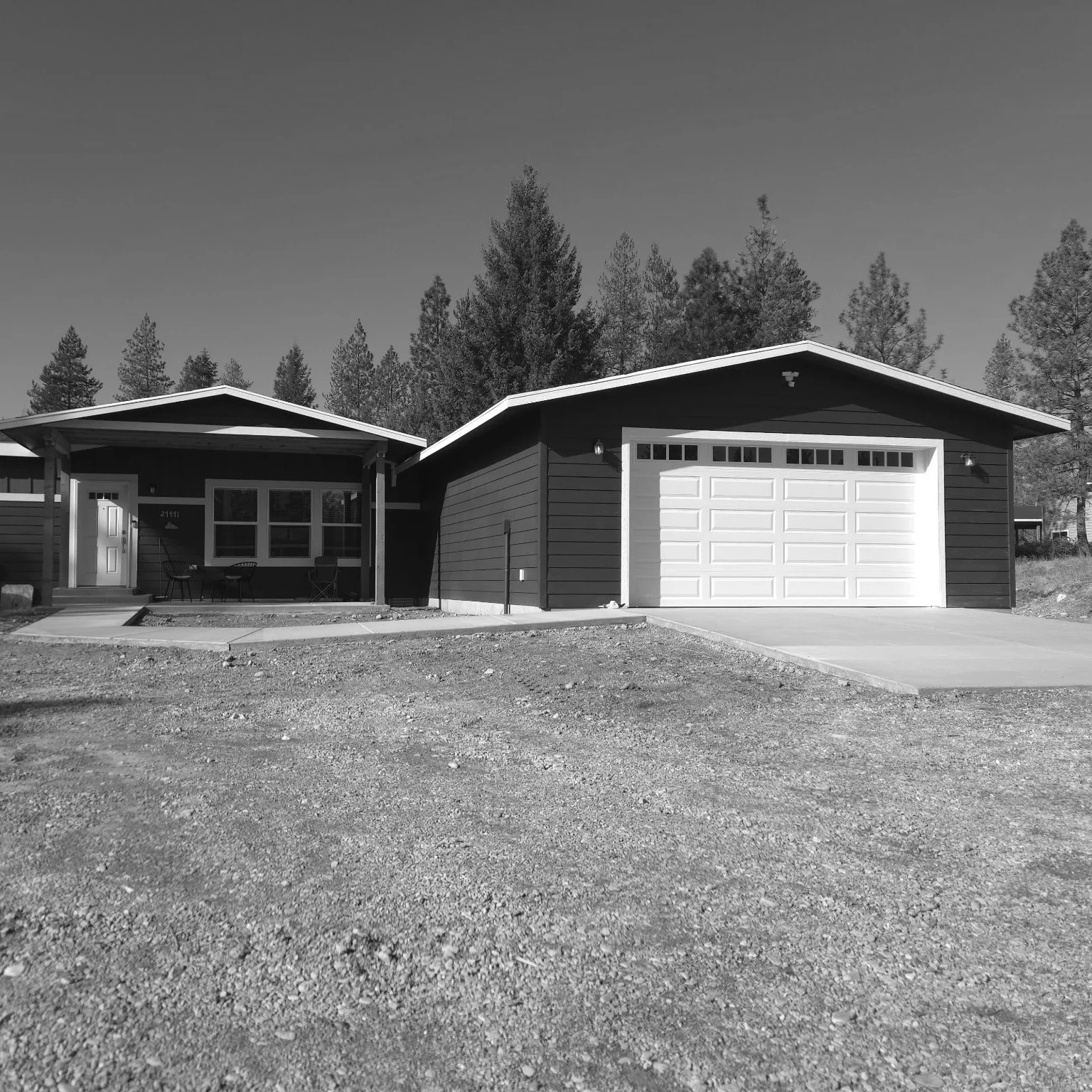
Planning a Major Home Remodel? 7 Decisions to Make Before Construction Begins
A major home remodel is exciting. You're finally getting the kitchen you've wanted, transforming an outdated bathroom, opening up your living space, or making changes that allow your home to work better for your family.
But before the demolition begins, there are some important decisions that need to happen first.
The planning stage of a remodel can have a bigger impact on the final result—and the final cost—than many homeowners realize. Taking the time to establish a clear plan can help prevent delays, unexpected expenses, and changes that become much more difficult once construction is underway.
If you're considering a major renovation, here are seven decisions worth making before construction begins.
1. Establish Your Budget
The first step isn't picking out tile or looking at paint colors. It's establishing a realistic budget for the entire project.
A remodeling budget should account for more than just labor and the obvious materials. Depending on the project, there may also be costs for permits, demolition, disposal, electrical or plumbing upgrades, structural work, fixtures, finishes, and other items that aren't always visible at the beginning.
It's also wise to leave room for the unexpected.
Older homes in particular can reveal surprises once walls, floors, or ceilings are opened up. Having a contingency built into the budget gives you some flexibility if an unforeseen issue comes up.
A good contractor can help you understand where your budget is likely to go and where you may want to prioritize your investment.
2. Clearly Define the Scope of Work
"Remodel the kitchen" sounds straightforward, but what does that actually include?
Are you replacing cabinets and countertops? Moving walls? Changing the flooring? Updating electrical? Adding lighting? Relocating plumbing? Replacing appliances? Painting? Installing new trim?
The more clearly the scope is defined before work begins, the easier it becomes to create an accurate estimate and schedule.
This is also the time to think about what you don't want to do.
If you're already opening walls for one part of the project, it may make sense to address certain related improvements at the same time. On the other hand, adding unrelated projects halfway through construction can quickly affect both the budget and timeline.
A clearly defined scope helps everyone start the project with the same expectations.
3. Think About the Layout Before the Finishes
It's easy to get excited about countertops, flooring, tile, cabinets, fixtures, and paint.
But the layout should come first.
Before choosing finishes, think about how you actually use the space.
Would moving a wall improve the flow? Would relocating a doorway make the room more functional? Does the kitchen have enough workspace? Is there adequate storage? Would changing the bathroom layout create a better shower or more useful vanity area?
These decisions are much easier to make on paper than after construction has started.
A high-quality remodel isn't simply about replacing old materials with new ones. It's an opportunity to make your home function better than it did before.
4. Choose Materials and Finishes Early
Once the scope and layout are established, it's time to start making material selections.
This includes things such as:
Flooring
Cabinets
Countertops
Tile
Plumbing fixtures
Lighting
Doors and trim
Paint colors
Hardware
Appliances
Making these decisions early can help prevent construction delays and allows the different elements of the project to work together.
It also helps with budgeting. A significant difference in price can exist between different materials that may look similar at first glance.
You don't necessarily need to choose the most expensive option. The goal is to select materials that fit your budget, your home, your lifestyle, and the overall design.
5. Understand Permits and Structural Requirements
Depending on the project, permits and inspections may be required.
Projects involving structural changes, electrical work, plumbing, additions, or significant alterations to a home can have requirements that need to be addressed before construction begins.
This is one reason working with an experienced general contractor can be valuable. A contractor can help identify what needs to be addressed during the planning process rather than discovering a permitting or code issue after work is already underway.
The exact requirements will depend on the location and the scope of the project, so it's important to address them early.
Permits aren't the most exciting part of remodeling, but they are an important part of doing the job correctly.
6. Choose the Right Contractor
Perhaps the most important decision you'll make is who will actually manage and perform the work.
For a major remodel, you're not simply hiring someone to complete a list of tasks. You're trusting a contractor with your home, your investment, your schedule, and your expectations.
When evaluating a contractor, look beyond the lowest number.
Ask about experience with projects similar to yours. Look at completed work. Read reviews. Make sure you understand what is included in the scope of work and how changes will be handled.
Communication matters, too.
A major renovation can involve dozens of decisions throughout the process. You want a contractor who will communicate clearly, explain issues when they arise, and keep the project moving forward.
The right contractor should feel like a partner in the project—not simply someone who shows up to perform the work.
7. Plan for Changes Before Construction Starts
Even the best-planned remodel can encounter surprises.
But there's a big difference between a necessary change and a change that could have been avoided with better planning.
Changing your mind about the layout after walls have been framed, ordering materials after construction has already started, or deciding to add another project halfway through can create additional labor, material costs, and delays.
That's why the planning stage is so important.
Walk through the project carefully before construction begins. Think about how you want the space to function. Make your major design and material decisions as early as practical. Ask questions about anything you don't understand.
The more decisions you can make before the first wall comes down, the fewer decisions you'll have to make while the crew is standing there waiting.
Don't Rush the Planning Stage
There can be a temptation to get started as quickly as possible once you've decided you're ready to remodel.
But spending a little more time planning can save significantly more time—and money—during construction.
A well-planned remodel has a clear scope, realistic budget, thoughtful layout, appropriate materials, necessary permits, and a contractor who understands the plan.
And perhaps most importantly, everyone involved knows what the finished project is supposed to look like.
Ready to Start Planning Your Remodel?
At Mr. Clean Fix, we believe a successful remodeling project starts long before construction begins.
Whether you're planning a kitchen or bathroom remodel, an addition, a whole-home renovation, or another major improvement, we're happy to discuss your goals and help you understand what goes into turning that idea into a finished project.
The best time to solve a remodeling problem is before construction begins.
If you're considering a major home remodel in Coeur d'Alene or the surrounding North Idaho area, contact Mr. Clean Fix to schedule a consultation.
Week 2: When Pre-Sale Prep Turns Into the Actual Remodel
Most pre-sale projects start with a simple idea:
Clean it up. Freshen it up. Get it ready to list.
That was the original scope on this one.
Interior paint. Exterior curb appeal cleanup. Pressure washing. Dump runs. Remove baseboards so Home Depot could come in later for flooring, then reinstall them.
Straightforward prep work before the “real work” happens.
But once the timeline came into play, the project shifted.
The original plan
At the start, this was a classic lite pre-sale prep job:
Interior painting throughout
Exterior pressure wash and curb appeal cleanup
Dump runs and general haul-off
Baseboard removal to prep for flooring install (by Home Depot)
Reinstallation after flooring was complete
The goal was simple—get the home cleaned up and ready for other trades to come in and finish their pieces.
We weren’t supposed to be the flooring contractor.
We were strictly prep.
Where things changed
Once the homeowner got back into town and we started lining up the schedule, the flooring timeline became the deciding factor.
Home Depot was more than a month out on install.
And at that point, the decision was simple:
Waiting that long didn’t make sense for a pre-sale property.
So the project shifted.
Not because the plan was wrong—but because the market timeline didn’t match the construction timeline.
What we became in real time
Instead of waiting on a delayed install, the scope naturally expanded into:
Full flooring installation instead of prep for it
Expanded interior finish and repair work
Replacing baseboards instead of reinstalling old ones
Coordinating transitions as flooring went in
Evaluating exterior fence repairs and potential repaint
This is where pre-sale work stops being “prep” and becomes “finish.”
Not by design—by necessity.
Why this happens on jobs like this
Pre-sale projects are always time-sensitive.
You’re not just trying to improve a house.
You’re trying to hit a listing window.
So when one piece of the plan slows everything down—like a month-long flooring delay—you either wait…
Or you adjust the scope so the project keeps moving.
In this case, waiting wasn’t the right answer.
The part people don’t always see
Most homeowners don’t think about how tightly connected these decisions are.
But once you start a pre-sale project, everything is linked:
flooring affects baseboards
baseboards affect paint touch-ups
interior finish affects how “done” the house feels
exterior curb appeal affects first impression before they even walk in
You can’t isolate one trade without affecting the rest.
So when the flooring schedule changed, everything else naturally followed.
Where we’re at now
We’re currently:
installing flooring in-house
completing interior finish updates tied to that work
replacing baseboards as part of the full system
continuing exterior cleanup and evaluating fence repair/repaint
What started as prep work is now a full pre-sale renovation path.
Not heavy remodel—but definitely not just “clean and list” anymore.
Final thought
Most pre-sale projects don’t expand because someone overcomplicates them.
They expand because the timeline and reality of the house don’t line up with the original plan.
And when that happens, the goal shifts from:
“get it ready”
to
“make sure nothing slows the sale once it hits the market”
That’s where this one landed.

Good Enough Isn't Good Enough
We've all said it.
"It's fine for now."
"Nobody will notice."
"We'll deal with it later."
Later has a way of becoming never. And "fine for now" has a way of becoming a bigger problem than it ever needed to be.
We walk into homes every week where good enough became the standard. A small deck repair that was put off for another season. A bathroom caulk line that failed and let water get behind the wall. A loose handrail that stayed loose because it wasn't causing a problem yet.
Until it was.
Most of those issues didn't start out expensive. They started out small. They started with a decision to wait one more month, one more season, one more year.
You can feel it in a house. The difference between a home that was done right and one that was done enough.
The trim that's finished instead of rushed. The repair that's actually repaired instead of patched. The details that nobody notices individually but everyone notices collectively.
We've never been able to leave a job at good enough.
Not because someone's checking.
Because we'd know.
That's the standard that matters.
Whatever's on your list this Monday—the project, the repair, the phone call you've been putting off—good enough isn't the goal.
Done right is.
Not perfect. Not extravagant. Just done the way you'd want it done if it were your own home.
📞 (208) 292-7204
🌐 mrcleanfix.com
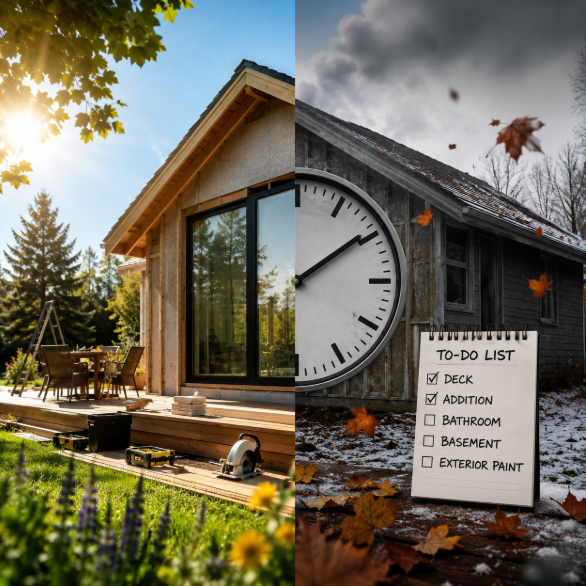
Why the Second Half of the Year Is When Smart Homeowners Make Their Move
June isn’t the middle of the year. In contracting, it’s the last calm window before everything stacks up again.
Most homeowners think spring is the planning season. In reality, it’s already the bottleneck.
By the time June shows up, the projects that were “going to happen this spring” are now competing with vacations, school schedules, heat, smoke, and the general speed of life in summer.
And that’s exactly where the opportunity is.
Because the homeowners who actually get things done aren’t the ones who planned perfectly in January.
They’re the ones who move when there’s still room to move.
Summer Is the Window Everyone Underestimates
Spring gets all the attention. That’s when motivation kicks in, the weather turns, and every contractor’s phone starts ringing at once.
And that’s the problem.
By late spring, schedules are already tightening. Lead times stretch. Small jobs get pushed. Big jobs get reshuffled. The “quick project” you wanted done early can easily drift into mid or late summer without much effort.
Summer is different.
The weather stabilizes. Days are longer. Work moves cleaner and faster. And most importantly—projects actually finish instead of sitting half-started waiting for a break in the schedule.
The homeowners who book early summer aren’t just starting projects.
They’re finishing them while everyone else is still waiting for availability.
The Projects That Belong in Summer
Some work doesn’t care when you start it. Other work absolutely does.
Exterior projects like decks, fences, siding, paint—these depend on dry, stable conditions. Summer is the real working window for getting them done right, without weather interruptions slowing everything down.
Structural work and additions also move better this time of year. Materials stay dry, concrete cures properly, and crews can keep momentum instead of stopping and starting with weather delays.
And then there’s the biggest category:
The project that’s been sitting in the background for too long.
The bathroom that’s 80% decided.
The basement that’s been “almost finished” for two years.
The deck that got pushed from last fall into this spring… and is now circling back again.
Summer is when those stop being “someday” projects and become finished space.
Because fall doesn’t wait for unfinished work. It just shows up.
And once it does in North Idaho, everything slows down fast.
The Honest Contractor Math
Here’s the part most people don’t like hearing, but always recognize later:
Waiting doesn’t reduce cost.
Materials don’t get cheaper. Labor doesn’t get cheaper. And the scope usually doesn’t stay the same—it tends to grow.
A small issue ignored for six months usually turns into a slightly bigger scope when it finally gets addressed.
So the idea that waiting saves money sounds reasonable… until you’ve lived through a few projects.
The reality is simpler:
The people who call in June get on the schedule in June.
The people who wait until September are planning around October—or next year.
The Mr. Clean Fix Take
We’re not trying to force urgency where it doesn’t exist.
This one actually does.
Summer in North Idaho is the best working window we get all year. The weather cooperates. Projects move faster. And there’s still enough schedule flexibility right now that won’t exist in another 60–90 days.
If you’ve got something sitting on your list, this is the point where it either starts moving—or rolls into next season again.
Send it over. We’ll look at it, tell you what’s realistic this summer, what it takes, and whether it makes sense to move forward now or wait.
No pressure. Just straight answers.
Because the second half of the year isn’t about planning anymore.
It’s about finishing.

The Rooms Nobody Remodels — Until They Can’t Ignore Them Anymore
Everyone talks about kitchens. Everyone talks about bathrooms.
And for good reason — those are the rooms that usually get the attention. They affect resale value, they photograph well, and they’re the projects people imagine when they think about remodeling.
But there’s another category of spaces that quietly make daily life harder.
The rooms you work around every single day.
The spaces that frustrate you in small ways so often you almost stop noticing them.
The rooms that have been “fine for now” for years.
Until suddenly they aren’t.
Laundry Room Remodel Ideas That Actually Improve Daily Life
Most laundry rooms in North Idaho homes were never really designed for the people using them.
You’ve got one dim light overhead. No place to fold clothes. Shelving that never made sense. Old vinyl flooring that’s peeling at the corners or impossible to get fully clean anymore. Sometimes the washer and dryer are squeezed into a hallway or tucked next to a garage entry with zero usable storage nearby.
And yet people spend hours in these spaces every week.
Laundry rooms rarely make the top of the remodeling list because they don’t feel exciting. But function matters. A laundry room with better lighting, durable flooring, storage that actually works, and a real folding surface changes the experience of using the space every single day.
It’s one of the highest-function upgrades you can make in a home without taking on a full kitchen-level remodel.
Mudroom & Entryway Remodeling That Stops the Chaos
Your entryway sets the tone for the entire house.
And in most homes we walk into, it’s carrying way more responsibility than it was built for.
Shoes piled by the door. Wet jackets with nowhere to go. Kids’ backpacks stacked in corners. One small coat hook trying to handle an entire family during a North Idaho winter.
When you’re dealing with snow, mud, rain, boots, dogs, and cold weather for half the year, a functional entryway matters more than people realize.
Built-in benches. Durable flooring. Storage underneath seating. Enough hooks for actual daily life. Better lighting. A place for wet gear that keeps it from spreading across the house.
Small changes in an entryway can make the entire home feel more organized because the mess gets stopped at the door instead of moving through the rest of the house.
That’s a big quality-of-life upgrade from a relatively small space.
Finishing an Unfinished Basement
We see this all the time.
A basement that got halfway finished years ago. Some framing went up. Maybe drywall got hung. Maybe somebody painted the concrete floor and planned to come back later.
Then life happened.
Now the basement sits in that awkward middle ground where it’s technically usable, but nobody actually wants to spend time down there.
The thing is, most partially finished basements are closer to complete than homeowners think.
Usually it’s a handful of things keeping the space from feeling finished:
Proper flooring
Trim work
Better lighting
Ceiling finishing
A bathroom that was always planned but never added
Storage solutions that make the space functional instead of temporary
We’ve seen homeowners avoid using thousands of square feet for years because the project felt overwhelming, when in reality the remaining work was manageable once it was broken into steps.
And in North Idaho, where people spend a lot of time indoors during winter, having comfortable usable basement space changes how the entire home functions.
Garage Remodel Upgrades That Make the Space Usable Again
The garage is where organization usually falls apart.
Tools with no real home. Storage piled against walls. Poor lighting. Cracked concrete. Random shelving installed over the years that never really worked together.
Eventually the garage becomes a space people avoid using altogether — which is why so many vehicles end up sitting outside through winter while the garage fills up with clutter.
Most homeowners don’t need a luxury showroom garage.
They just need a garage that works.
A solid workbench at the right height. Wall storage that makes sense. Better lighting. Shelving designed around the things you actually use. Floor coatings that make cleanup easier and brighten the space up.
Simple functional upgrades can completely change how a garage gets used without turning it into some overbuilt Pinterest project.
Home Office Remodeling for Remote Work
Remote work isn’t going anywhere.
But a lot of home offices still feel like temporary setups that accidentally became permanent.
A desk shoved into a guest room. A hallway corner with bad lighting. Power strips everywhere because the room never had enough outlets. No sound separation. No storage. No real ability to shut work off at the end of the day.
A functional home office doesn’t need to be huge. It just needs to be intentional.
Good lighting matters more than people expect. So does outlet placement. Storage. Sound control. A door that actually closes when you’re on calls or trying to focus.
For people working from home full-time or even part-time, the setup affects productivity, stress levels, and the ability to separate work life from home life.
That’s not a luxury upgrade anymore. It’s practical.
The Mr. Clean Fix Take
The rooms people ignore are often the ones affecting daily life the most.
Not because they’re glamorous.
Usually they aren’t.
But because they’re the spaces you interact with constantly — the ones where small frustrations add up over time until the house starts feeling harder to live in than it should.
We think every room in a home deserves to function well, not just the ones that end up in renovation magazines.
Sometimes a small functional remodel improves daily life more than a major renovation ever could.
If you’ve got a space that’s been getting by for years — a laundry room, basement, garage, entryway, or home office — we’re happy to take a look and talk through what it would realistically take to make it work better.
Because you don’t always need to remodel the biggest room in the house.
Sometimes you just need to fix the room that frustrates you every day.

The Warm Weather Is Here. Your Exterior Projects Just Got a Green Light.
The Warm Weather Is Here. Your Exterior Projects Just Got a Green Light.
First real warm stretch of the year.
Mid-70s in the forecast and if you've lived in North Idaho long enough you know what that means — this is the window. The one where the ground is dry, the temps are right, and exterior work can actually happen the way it's supposed to.
We've been waiting for this too.
If you've had an exterior project sitting on the list through a long winter, now is the time to stop thinking about it and start making calls. Here's what's on our radar this season and why timing actually matters for each one.
Exterior Paint: This Is Exactly the Weather You Need
Exterior paint is one of those things that looks straightforward until you understand what it actually takes to do it right.
Temperature matters. Humidity matters. Surface prep matters more than either of those.
Paint applied in the wrong conditions — too cold, too damp, too much direct heat — fails faster than it should. It doesn't bond the way it's supposed to. And when exterior paint fails in North Idaho, it doesn't just look bad. It stops protecting the surface underneath, and that's when the real damage starts.
We were on a house recently where the south-facing wall was completely faded out while the rest of the exterior still held color. Caulk had pulled back just enough to let water find its way in over winter. That's not a cosmetic problem anymore — that's exposure. And it was a repaint job that turned into more because nobody caught it in time.
Mid-70s and dry? That's exactly the conditions every paint manufacturer writes their specs around.
If your exterior is telling that story — this is the season to rewrite it. Don't waste the window.
Fence Builds: Get It In Before Summer Fills the Schedule
A new fence is one of those projects that feels like it can wait — until it can't.
Property lines that need defining. Dogs that need containing. Privacy from neighbors that got a lot closer when the leaves came down last fall.
Whatever the reason, fence builds are one of the first things that books up when the weather turns. Post setting, concrete curing, material staging — all of it is more reliable when the ground isn't frozen and the temps are cooperative.
Most fence builds we do fall somewhere in the range of a few thousand dollars depending on material, length, and site conditions. Cedar runs more than treated lumber but lasts longer and looks better doing it. That conversation is worth having before the posts are set rather than after.
If a fence is on your list, now is when to move on it.
Decks: Build It Right and Build It Once
North Idaho decks take a beating.
Freeze-thaw cycles, UV exposure, moisture, snow load — the elements here work on exterior wood every single season without asking permission.
We see a lot of decks that were built to a price instead of built to last. Undersized framing. Wrong material for ground contact. Ledger connections that were never flashed properly. These things don't announce themselves on day one — they show up three or four winters later when you're looking at a repair that costs more than the original build.
The difference between doing it right and doing it cheap is usually a few thousand dollars — not double. And it's the difference between a deck that's still solid in ten years and one that's already asking questions in three.
We don't build things twice. If you're going to do it, do it once and do it right.
Concrete footings cure properly in this weather. Framing can be inspected and dried before any decking goes on. And you'll have the whole summer to actually use what you built.
Patios and Gazebos: The Outdoor Space You've Been Talking About
This is the one that usually lives on the list the longest.
The patio that's been gravel or bare dirt for two summers. The gazebo that got priced out last fall and pushed to spring. The outdoor living space that exists in your head but not yet in your backyard.
Spring is when these projects make the most sense to build — not because summer is too late, but because building now means you actually get to use it this season instead of watching it go up while summer disappears around you.
A well-built patio or gazebo extends how you use your property. It creates the outdoor living space that North Idaho summers are genuinely made for — the kind where you're outside until 9pm because the weather is perfect and the space actually invites it.
Concrete, pavers, composite decking for the platform. Cedar, steel, or engineered lumber for the structure. These decisions affect how long it lasts and how much maintenance it asks of you down the road. We'd rather talk through those choices up front than have you love something for two years and fight it for ten.
Why This Window Matters
Here's the honest contractor take on spring timing.
It's not just about weather. It's about schedule.
Right now there's still availability. A few weeks from now — when everyone else realizes the warm weather is here and starts making calls — that changes fast. The most in-demand crews book up quickly when the season turns and the backlog builds in a hurry.
If you've been waiting for the right time to move on an exterior project, this forecast is about as clear a signal as you're going to get.
The Mr. Clean Fix Take
We've been doing exterior work in North Idaho long enough to know this stretch doesn't last forever.
Summer fills up. Fall comes faster than anyone expects. And the projects that didn't get started in spring end up on next year's list — again.
If you've got a fence, a deck, a patio, a gazebo, or an exterior paint job that's been waiting — call or message us this week. We'll come take a look and tell you straight whether it makes sense to move now or not.
We're not the cheapest option out there. That's usually why our work is still standing when cheaper jobs aren't.
The best time to start was last fall.
The second best time is right now.