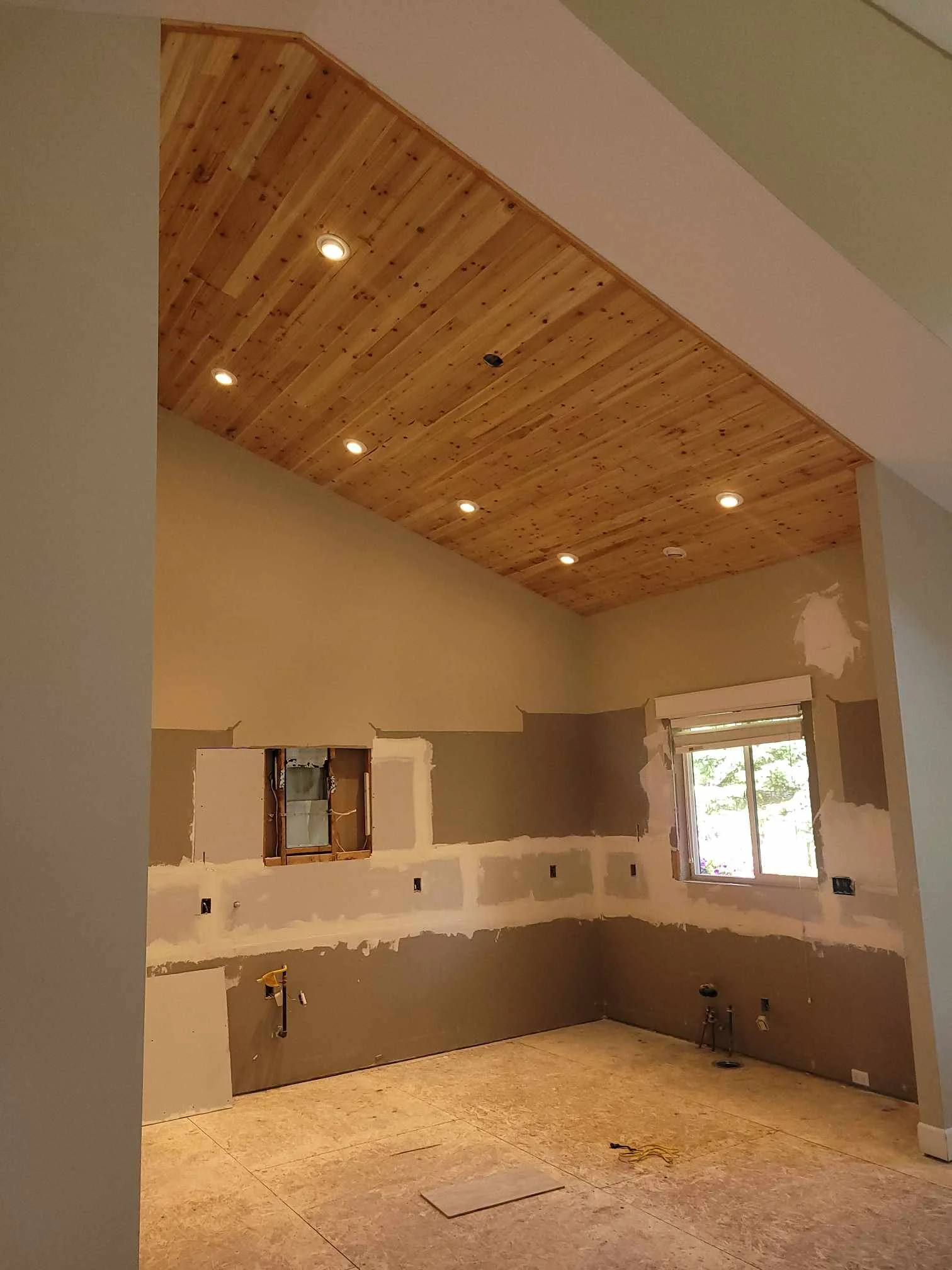
Should You Remodel in Phases or Complete Everything at Once?
When you’re looking at a major home renovation, one of the first questions to answer isn’t necessarily what you want to remodel. It’s how you want to tackle it.
Do you renovate the kitchen, bathrooms, living spaces, and other areas all at once? Or do you break the project into phases and work through the house over time?
Both approaches can make sense. The right choice depends on your budget, how much disruption you’re comfortable with, the condition of your home, and how well the different parts of the project connect to each other.
The important thing is to make that decision before the first phase begins.
Remodeling Everything at Once
There are some real advantages to completing a larger renovation as one project.
For one, you only have to go through the major disruption once. If your kitchen, flooring, walls, lighting, and adjacent living spaces all need work, doing everything together can mean fewer rounds of demolition, dust, moving furniture, and living around construction.
There can also be some efficiency in keeping the project moving as one coordinated renovation. Trades can work together, materials can be ordered at the same time, and decisions about finishes can be made with the entire home in mind.
That continuity matters more than people sometimes realize.
If you know you eventually want the kitchen, hallway, living room, and dining area to have the same flooring, paint colors, trim, or design style, planning those spaces together helps keep the finished home cohesive.
It can also prevent the frustrating situation of completing one room now, only to discover that the next phase requires tearing into something you just finished.
When Phasing Makes More Sense
Of course, completing everything at once isn't realistic for every homeowner.
A phased remodel can make a larger renovation more manageable financially and logistically. Instead of taking on a $100,000 renovation all at once, for example, you may decide to complete the primary bathroom first, then the kitchen, followed by other living spaces or exterior improvements.
Phasing can also make sense when certain areas of the home are more urgent than others.
Maybe the bathroom needs attention now, while the kitchen is functional but outdated. Or perhaps you're preparing to move into the home and want to address the most important areas first.
The key is making sure Phase 1 is planned with Phase 2 in mind.
Don't Let Phase 1 Create a Problem for Phase 2
This is one of the biggest things homeowners should think about before starting a phased renovation.
If you know you're eventually replacing the flooring throughout the main level, for example, it may not make sense to install new flooring in one room without considering how it will transition into the future work.
The same goes for electrical, plumbing, drywall, cabinetry, trim, paint, lighting, and even wall layouts.
Sometimes spending a little more during the first phase to prepare for future work can save you from paying to undo completed work later.
A good renovation plan should look at the whole picture, even if you're only building one piece of it right now.
Budgeting Is About More Than the Price of Phase 1
Phasing a project doesn't necessarily mean the overall renovation will cost exactly the same as doing everything together.
Each phase can involve its own setup, protection, demolition, cleanup, material ordering, and mobilization. Some efficiencies that come from keeping a project moving may be lost when a contractor has to return months or years later.
That doesn't mean phasing is a bad idea. It simply means you should look at the long-term plan, not just the price of the first phase.
If financing is part of the decision, it can also be helpful to understand what you can comfortably take on now versus what you'll realistically be able to budget for later.
Materials and Finishes Should Be Considered Early
One of the easiest things to overlook when phasing a remodel is material continuity.
Paint colors can change. Flooring can be discontinued. Tile collections can sell out. Cabinet styles and hardware can become unavailable.
If you know you're eventually going to continue the renovation, keep records of the materials, colors, manufacturers, product numbers, and finishes used in the first phase.
Better yet, discuss the future phases with your contractor before the first phase begins. That gives everyone a chance to think through transitions and identify anything that should be purchased or prepared ahead of time.
So Which Approach Is Right for You?
Sometimes completing everything at once makes the most sense.
Sometimes breaking the project into manageable phases is the better fit.
The important part isn't choosing one approach simply because it sounds cheaper or faster. It's understanding what the entire renovation is going to look like and then deciding how to get there.
If you're considering a larger remodel but aren't sure whether it should be one project or several, start with the end goal.
What do you ultimately want your home to look and function like?
Once you know that, you can work backward and decide which projects need to happen together, which can wait, and what needs to be planned now so future work doesn't undo the work you've already paid for.
A phased remodel can absolutely work. So can a whole-home renovation. The difference is in the planning.
At Mr Clean Fix, we help North Idaho homeowners look at the bigger picture of a renovation so the work can be planned around the home, the budget, and the way you actually want to live in it.
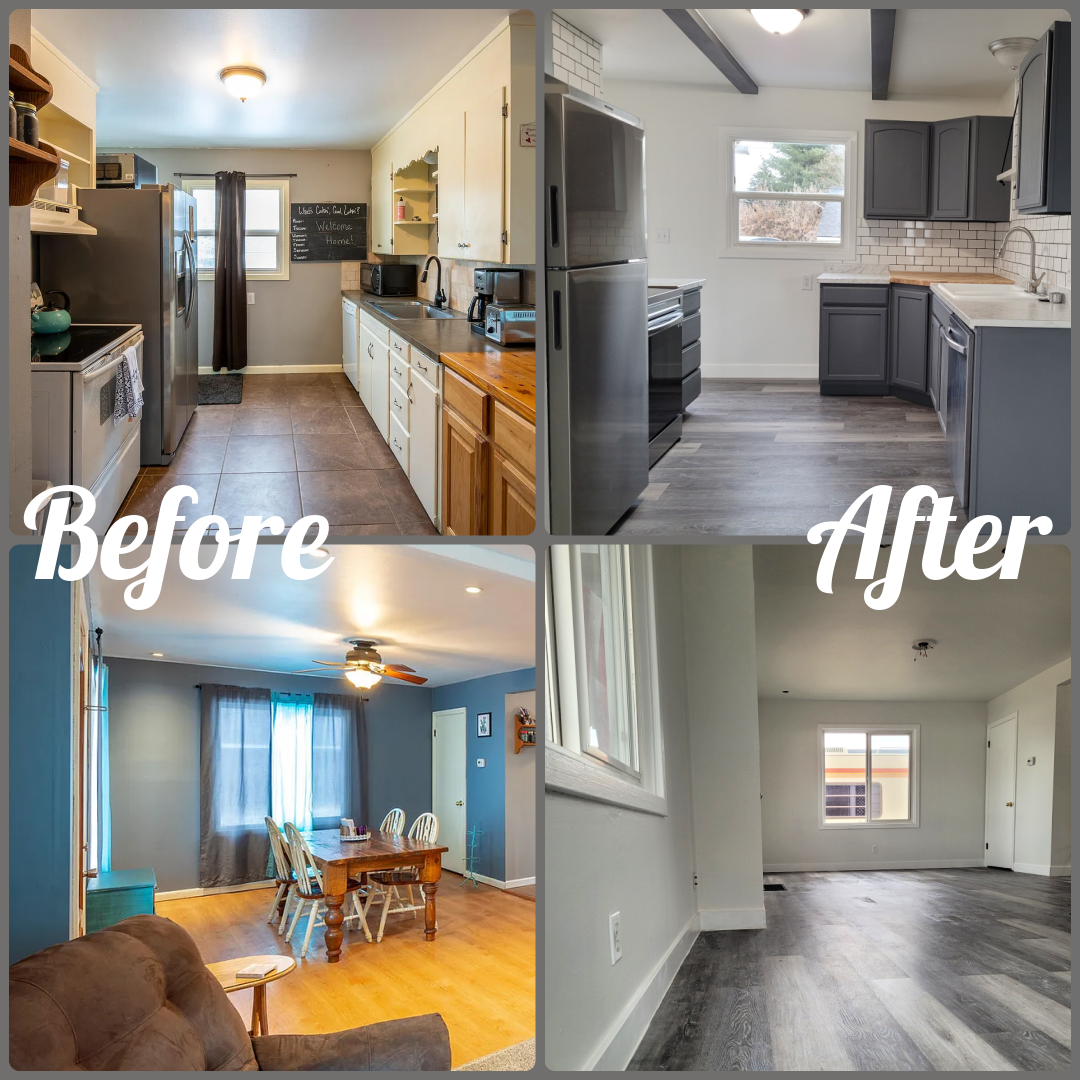
Buying a Fixer-Upper? What to Look for Before You Make an Offer
There’s something exciting about a fixer-upper.
Maybe it has the location you want, the yard you love, or a price that makes you think, We could turn this into exactly what we want.
And sometimes, you absolutely can.
But before you make an offer based on what the house could be, it’s important to take a good look at what you're actually buying.
A house that needs new paint, flooring and updated finishes is one thing. A house that needs structural work, major system upgrades and a complete reconfiguration is something very different.
The difference isn't always obvious when you're walking through with a real estate agent.
Here are some things we recommend thinking about before falling in love with the potential.
Look Beyond the Paint and Flooring
Cosmetic problems are usually the easiest part of a fixer-upper.
Old carpet, outdated cabinets, ugly paint colors, worn flooring and dated fixtures can make a house look like it needs a tremendous amount of work when the underlying house is actually in good shape.
Those things can also make a property look worse than it really is.
The opposite can be true, too.
Fresh paint and new flooring can make a house look great while bigger problems are hiding underneath.
When you're walking through a potential fixer-upper, try to separate what you don't like from what actually needs to be fixed.
You can change paint.
You can change flooring.
You can change cabinets.
Changing the basic structure or layout of the house is a much bigger conversation.
Pay Attention to the Layout
One of the biggest questions to ask is whether the existing layout can realistically become what you want.
Maybe you want a larger kitchen.
Maybe you want to open the main living area.
Maybe you want to add another bathroom, create a primary suite, or turn an unused space into an office.
Before assuming that a wall can come down or a room can be moved, consider what's behind it.
Is it structural?
Are there plumbing lines in the way?
Is electrical work going to be complicated?
Will moving one room create problems somewhere else?
A house with an imperfect layout isn't necessarily a bad investment. In fact, sometimes the layout is exactly what makes a fixer-upper worth considering.
But you want to understand the possibilities before you make an offer—not after you own the house.
Don't Ignore the Major Systems
This is where a little extra caution can save you from a very expensive surprise.
Pay attention to the age and condition of things like:
Roofing
Electrical
Plumbing
Heating and cooling
Water heaters
Windows and exterior doors
Foundation and drainage
Insulation
You don't necessarily need everything to be new.
An older home can still be a fantastic home.
The important thing is knowing what you're working with and what may need attention soon.
If you're planning to spend $50,000 remodeling the kitchen and bathrooms, but the house also needs major electrical, plumbing and structural work, that changes the overall project considerably.
Look for Signs of Structural Problems
Some problems are more concerning than others.
Cracks, uneven floors, doors that don't close properly, water intrusion, significant settling or other unusual conditions are worth investigating before you assume they're just part of an older house.
This doesn't mean every crack is a disaster.
It means you shouldn't build your renovation budget around the assumption that every problem is cosmetic.
If something catches your attention during the walkthrough, find out what it is.
Sometimes the answer is simple.
Sometimes it requires a professional evaluation.
Either way, it's much better to know before you buy.
Think About Permits Before You Make Big Plans
If your dream for the house involves moving walls, adding rooms, changing plumbing or electrical, finishing previously unfinished space, or building an addition, don't assume every idea will automatically be allowed.
Permitting requirements can affect both your budget and your timeline.
Your plans may also be affected by existing conditions, property limitations or local requirements.
That's one reason it's helpful to think about the renovation as a project—not just a collection of individual improvements.
Before you decide that a house is a bargain because you can "just remodel it," make sure the remodel you're imagining is actually realistic.
Calculate the Renovation—Not Just the Purchase Price
This is probably the biggest mistake we see people make when thinking about fixer-uppers.
They look at the purchase price and the finished value, then estimate the renovation based on what they think individual projects should cost.
But major remodels aren't usually just a list of materials.
There can be demolition, preparation, framing, electrical, plumbing, drywall, flooring, cabinetry, countertops, tile, painting, permits, finish work and all of the little things that connect those pieces together.
And once walls start opening up, you may discover conditions that weren't visible during the initial walkthrough.
That's why it's important to leave some room in the budget for the unexpected.
A fixer-upper can still be a great opportunity. You just don't want the entire deal to depend on everything going perfectly.
Think About the House You Want to End Up With
Here's the fun part.
Once you've looked at the problems, look at the potential.
Can you create the kitchen you've always wanted?
Could an awkward floor plan become a great open living space?
Is there room for the bathroom you've been missing?
Could an addition give your family the space you need without leaving the neighborhood you love?
A fixer-upper doesn't have to be perfect when you buy it.
It needs to have potential that makes sense.
The best renovation opportunities aren't necessarily the houses that need the least work. They're the ones where the existing house, property and renovation goals come together in a way that makes sense.
Don't Let the Purchase Happen Before the Plan
If you're seriously considering a fixer-upper, one of the smartest things you can do is start thinking about the renovation before you make the offer.
You don't need a complete set of construction drawings or a finished material list.
But you should have a realistic idea of what you're trying to accomplish, what the house needs, and what kind of investment you're potentially taking on.
Even a conversation with a contractor can help you look at the property differently.
Instead of walking through asking, "Can I live with this?" you can start asking, "What would it take to turn this into the house I actually want?"
Those are two very different questions.
A Fixer-Upper Can Be a Great Opportunity—If the Numbers Work
There is nothing wrong with buying a house that needs work.
Some of the most rewarding homes are the ones that start out a little rough around the edges.
The key is going into it with your eyes open.
Look past the ugly finishes, but don't overlook the expensive problems. Think about the layout, investigate the major systems, understand what your renovation plans could involve, and build a realistic budget before deciding that you've found a bargain.
Because the goal isn't simply to buy a fixer-upper.
The goal is to buy a house where the work required to create the home you want actually makes sense.
Thinking about buying a home that needs some work? Mr. Clean Fix can help you think through the renovation possibilities and what it may take to get the house where you want it to be.
Sometimes a fixer-upper is exactly the opportunity you're looking for.
And sometimes, taking a closer look before making the offer can save you from buying someone else's expensive surprise.
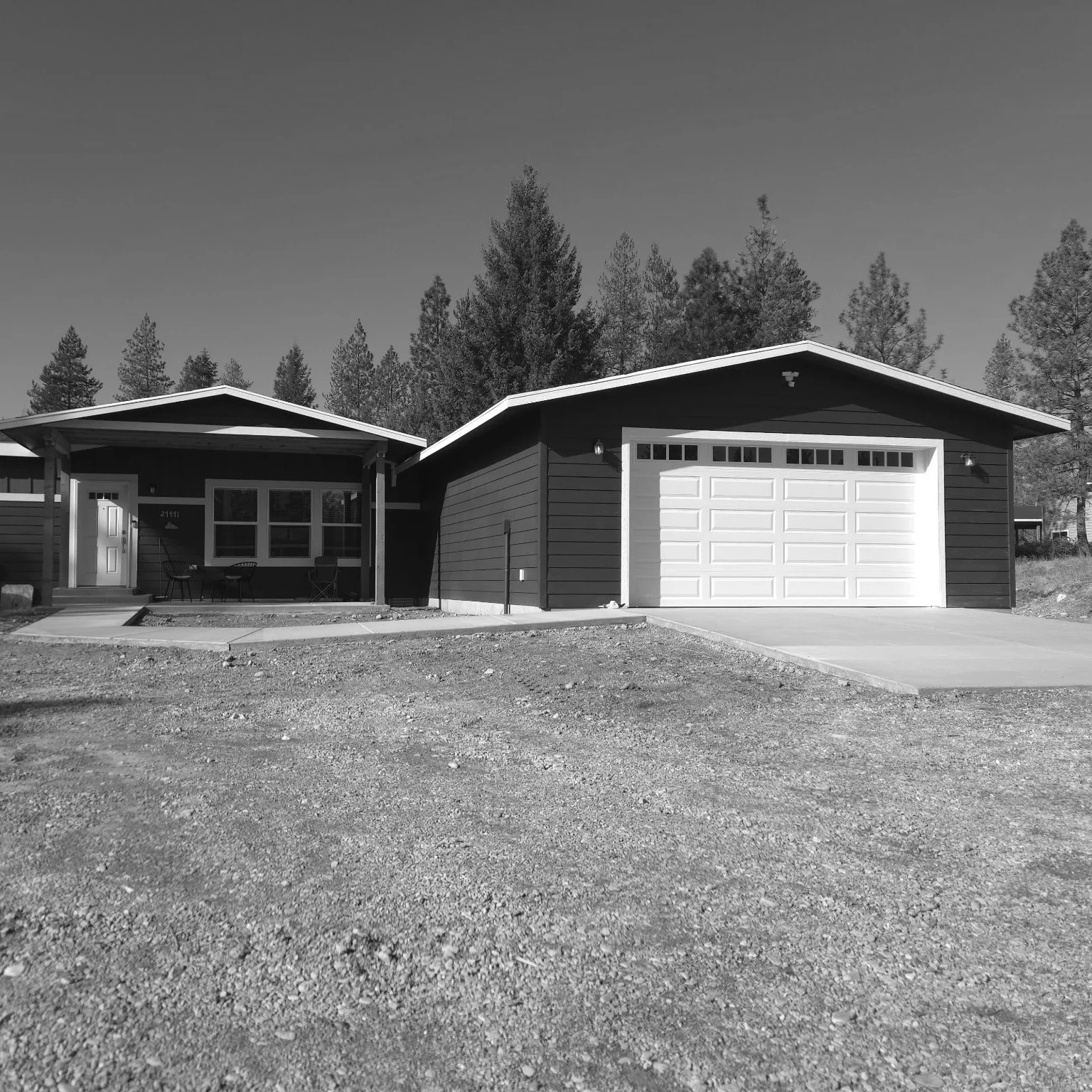
Planning a Major Home Remodel? 7 Decisions to Make Before Construction Begins
A major home remodel is exciting. You're finally getting the kitchen you've wanted, transforming an outdated bathroom, opening up your living space, or making changes that allow your home to work better for your family.
But before the demolition begins, there are some important decisions that need to happen first.
The planning stage of a remodel can have a bigger impact on the final result—and the final cost—than many homeowners realize. Taking the time to establish a clear plan can help prevent delays, unexpected expenses, and changes that become much more difficult once construction is underway.
If you're considering a major renovation, here are seven decisions worth making before construction begins.
1. Establish Your Budget
The first step isn't picking out tile or looking at paint colors. It's establishing a realistic budget for the entire project.
A remodeling budget should account for more than just labor and the obvious materials. Depending on the project, there may also be costs for permits, demolition, disposal, electrical or plumbing upgrades, structural work, fixtures, finishes, and other items that aren't always visible at the beginning.
It's also wise to leave room for the unexpected.
Older homes in particular can reveal surprises once walls, floors, or ceilings are opened up. Having a contingency built into the budget gives you some flexibility if an unforeseen issue comes up.
A good contractor can help you understand where your budget is likely to go and where you may want to prioritize your investment.
2. Clearly Define the Scope of Work
"Remodel the kitchen" sounds straightforward, but what does that actually include?
Are you replacing cabinets and countertops? Moving walls? Changing the flooring? Updating electrical? Adding lighting? Relocating plumbing? Replacing appliances? Painting? Installing new trim?
The more clearly the scope is defined before work begins, the easier it becomes to create an accurate estimate and schedule.
This is also the time to think about what you don't want to do.
If you're already opening walls for one part of the project, it may make sense to address certain related improvements at the same time. On the other hand, adding unrelated projects halfway through construction can quickly affect both the budget and timeline.
A clearly defined scope helps everyone start the project with the same expectations.
3. Think About the Layout Before the Finishes
It's easy to get excited about countertops, flooring, tile, cabinets, fixtures, and paint.
But the layout should come first.
Before choosing finishes, think about how you actually use the space.
Would moving a wall improve the flow? Would relocating a doorway make the room more functional? Does the kitchen have enough workspace? Is there adequate storage? Would changing the bathroom layout create a better shower or more useful vanity area?
These decisions are much easier to make on paper than after construction has started.
A high-quality remodel isn't simply about replacing old materials with new ones. It's an opportunity to make your home function better than it did before.
4. Choose Materials and Finishes Early
Once the scope and layout are established, it's time to start making material selections.
This includes things such as:
Flooring
Cabinets
Countertops
Tile
Plumbing fixtures
Lighting
Doors and trim
Paint colors
Hardware
Appliances
Making these decisions early can help prevent construction delays and allows the different elements of the project to work together.
It also helps with budgeting. A significant difference in price can exist between different materials that may look similar at first glance.
You don't necessarily need to choose the most expensive option. The goal is to select materials that fit your budget, your home, your lifestyle, and the overall design.
5. Understand Permits and Structural Requirements
Depending on the project, permits and inspections may be required.
Projects involving structural changes, electrical work, plumbing, additions, or significant alterations to a home can have requirements that need to be addressed before construction begins.
This is one reason working with an experienced general contractor can be valuable. A contractor can help identify what needs to be addressed during the planning process rather than discovering a permitting or code issue after work is already underway.
The exact requirements will depend on the location and the scope of the project, so it's important to address them early.
Permits aren't the most exciting part of remodeling, but they are an important part of doing the job correctly.
6. Choose the Right Contractor
Perhaps the most important decision you'll make is who will actually manage and perform the work.
For a major remodel, you're not simply hiring someone to complete a list of tasks. You're trusting a contractor with your home, your investment, your schedule, and your expectations.
When evaluating a contractor, look beyond the lowest number.
Ask about experience with projects similar to yours. Look at completed work. Read reviews. Make sure you understand what is included in the scope of work and how changes will be handled.
Communication matters, too.
A major renovation can involve dozens of decisions throughout the process. You want a contractor who will communicate clearly, explain issues when they arise, and keep the project moving forward.
The right contractor should feel like a partner in the project—not simply someone who shows up to perform the work.
7. Plan for Changes Before Construction Starts
Even the best-planned remodel can encounter surprises.
But there's a big difference between a necessary change and a change that could have been avoided with better planning.
Changing your mind about the layout after walls have been framed, ordering materials after construction has already started, or deciding to add another project halfway through can create additional labor, material costs, and delays.
That's why the planning stage is so important.
Walk through the project carefully before construction begins. Think about how you want the space to function. Make your major design and material decisions as early as practical. Ask questions about anything you don't understand.
The more decisions you can make before the first wall comes down, the fewer decisions you'll have to make while the crew is standing there waiting.
Don't Rush the Planning Stage
There can be a temptation to get started as quickly as possible once you've decided you're ready to remodel.
But spending a little more time planning can save significantly more time—and money—during construction.
A well-planned remodel has a clear scope, realistic budget, thoughtful layout, appropriate materials, necessary permits, and a contractor who understands the plan.
And perhaps most importantly, everyone involved knows what the finished project is supposed to look like.
Ready to Start Planning Your Remodel?
At Mr. Clean Fix, we believe a successful remodeling project starts long before construction begins.
Whether you're planning a kitchen or bathroom remodel, an addition, a whole-home renovation, or another major improvement, we're happy to discuss your goals and help you understand what goes into turning that idea into a finished project.
The best time to solve a remodeling problem is before construction begins.
If you're considering a major home remodel in Coeur d'Alene or the surrounding North Idaho area, contact Mr. Clean Fix to schedule a consultation.
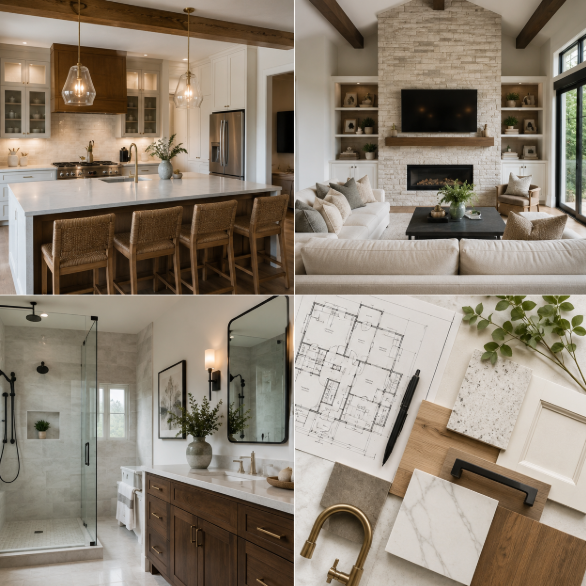
What Makes a High-End Home Remodel Worth the Investment?
What Makes a High-End Home Remodel Worth the Investment?
A home remodel is a significant investment. Whether you're updating a kitchen, transforming a bathroom, opening up your living space, or taking on a larger whole-home renovation, the goal shouldn't simply be to make your home look newer.
A well-executed remodel should make your home work better, feel better, and hold its value for years to come.
That's what separates a high-end remodel from a basic renovation.
At Mr. Clean Fix, we believe the difference isn't necessarily about choosing the most expensive materials or creating a space that looks like it belongs in a magazine. It's about making smart decisions throughout the entire project—from the initial layout to the final details.
It Starts With the Layout
One of the biggest advantages of a well-planned remodel is the opportunity to improve how your home actually functions.
A beautiful kitchen can still be frustrating if the refrigerator, sink, and cooking area aren't positioned well. A bathroom can have beautiful finishes but still feel cramped. A living space may have plenty of square footage but an awkward layout that doesn't fit the way your family uses the room.
High-end remodeling starts by looking at the whole space, not just the finishes.
Sometimes that means moving walls, changing the location of a doorway, reconfiguring a kitchen, improving storage, or creating better connections between rooms. The goal is to make the finished space feel intentional rather than simply renovated.
Quality Materials Make a Difference
Materials are another major part of what makes a remodel worthwhile.
That doesn't mean every project needs the most expensive countertop, flooring, fixture, or cabinet available. It means choosing materials that make sense for the space, the way it will be used, and the overall goals of the homeowner.
Durability matters.
So does appearance.
And just as importantly, materials need to work together.
A cohesive combination of flooring, cabinetry, countertops, tile, fixtures, trim, paint, and lighting can make an entire home feel more polished. Choosing each item independently because you like it can produce a very different result than designing the space as a whole.
Craftsmanship Is Where the Difference Shows
Even the best materials can't make up for poor installation.
The details matter in a high-end remodel.
Clean tile lines. Properly installed trim. Consistent reveals. Carefully finished transitions. Doors and cabinets that operate correctly. Flooring that flows naturally from one space to another. Fixtures installed with attention to detail.
These things may not always be the first things you notice when you walk into a finished room, but they contribute to the feeling that everything belongs exactly where it should.
Quality craftsmanship is what turns good materials into a finished project that feels truly finished.
Think Beyond the Current Trend
It's easy to get caught up in what's popular right now.
But a remodel is an investment in your home—not just in what happens to be trending this year.
That doesn't mean your home needs to be boring or completely traditional. It means choosing finishes and design elements thoughtfully so that the space still feels appealing years down the road.
A high-end remodel should balance current style with timeless elements.
The best projects don't necessarily scream, "This house was remodeled in 2026."
Instead, they simply feel well designed.
Longevity Matters
One of the biggest reasons to invest in quality during a remodel is that you don't want to do the same project twice.
A lower-cost renovation may look good initially, but if materials wear quickly, installation problems develop, or the layout doesn't actually solve the problems you started with, you may find yourself spending more money later.
A quality remodel considers what happens after the project is complete.
How will the space hold up to everyday use?
Will the materials remain practical?
Does the layout make sense for how the homeowners live?
Are the improvements likely to remain useful if the home is eventually sold?
Those questions are part of the investment.
A Remodel Should Feel Like It Belongs in Your Home
One of our favorite parts of remodeling is taking an existing home and making it feel like a better version of itself.
That doesn't always mean starting over.
Sometimes the best result comes from preserving the things that work while improving the things that don't.
A successful remodel should feel connected to the home rather than like a completely separate space that was dropped into it. Finishes should complement one another, proportions should make sense, and the improvements should feel intentional from room to room.
That's where cohesive design becomes especially important.
Is a High-End Remodel Worth It?
For the right homeowner and the right project, absolutely.
But "high-end" shouldn't simply mean spending the most money possible.
It should mean spending intentionally.
Investing in the areas that matter. Choosing materials that will last. Improving the layout. Hiring experienced professionals. Paying attention to the details that are easy to overlook. And creating a finished space that works for your life today while still making sense years from now.
That's the kind of remodeling investment that can make a real difference—not just in the appearance of your home, but in how you experience it every day.
Ready to Talk About Your Remodel?
If you're considering a kitchen remodel, bathroom renovation, addition, or larger home improvement project in the Coeur d'Alene and North Idaho area, Mr. Clean Fix can help you look at the project from the big picture down to the finishing details.
A great remodel isn't just about making a house look better. It's about making the investment count.
Contact Mr. Clean Fix to start planning your next home renovation.
Why Good Pre-Sale Work Takes Longer Than Expected — And Why That's Actually a Good Sign
If you've been following along with our Turnkey Transformation series, you know we expected this project to be wrapped up by now.
As often happens during renovation work, the homeowner decided to add a few more improvements once they saw the progress. That's one of the biggest advantages of working room by room—it's easier to spot opportunities that will make the home even more appealing to future buyers.
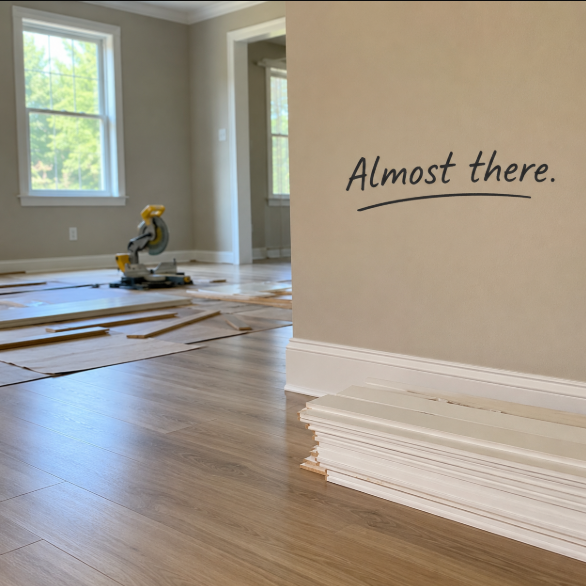
This week, the new flooring is complete and we're about 75% finished installing new baseboards throughout the home. Every improvement adds another layer of value, but it also reinforces an important lesson that applies to almost every home being prepared for sale.
The Best Projects Rarely Go Exactly According to Schedule
Television renovation shows make remodeling look predictable. In reality, every home has its own surprises, changing priorities, and decisions that happen along the way.
Sometimes homeowners choose to:
Upgrade additional finishes.
Replace trim that wasn't originally planned.
Add repairs after seeing how much cleaner and newer the home is becoming.
Those decisions can add a little time to the schedule, but they often produce a much better finished product.
Rushing Can Cost More Than Waiting
When a home is being prepared for the market, there's often pressure to finish as quickly as possible.
The problem is that rushed work usually shows.
Uneven trim, skipped repairs, mismatched flooring transitions, and unfinished details are exactly the kinds of things buyers notice during showings. They may not know why a house feels unfinished—but they know when it does.
Taking an extra week to finish the details is almost always a better investment than trying to save a few days.
Details Matter
Fresh flooring makes a huge difference, but it's the finishing touches that make a home feel complete.
Clean baseboards, consistent trim, repaired walls, fresh paint, and quality installation all work together to create the impression that the home has been well cared for.
Those details help buyers focus on the home—not on a list of repairs they'll need to make after closing.
One More Week...
We're in the home stretch now.
The flooring is finished, the trim is coming together, and we're excited to show you the completed transformation very soon.
Sometimes the best projects take a little longer than expected—and we're perfectly okay with that if it means delivering quality work our customers can be proud of.
Stay tuned next week as we share the finished results of this Turnkey Transformation!

Week 3: Where Homeowners Should (and Shouldn't) Spend Money Before Selling
Preparing a home for sale can feel overwhelming. Every room has something that could be updated, repaired, or improved — but that doesn’t mean every project is worth doing.
One of the biggest mistakes homeowners make before selling is thinking they need to completely remodel their home to compete in the market.
The reality is usually different.
The goal of pre-sale improvements is not to create someone else’s dream home. The goal is to help buyers see the home’s potential, feel confident about its condition, and avoid focusing on problems that could affect their decision.
A smart pre-sale renovation focuses on the updates that make the biggest impact.
Start With What Buyers Notice First
When buyers walk into a home, they quickly form an opinion based on condition and presentation.
Small signs of deferred maintenance can create doubt:
Worn or damaged flooring
Old, tired paint
Broken trim or baseboards
Doors that don’t close properly
Outdated fixtures
Visible repairs that were never completed
These issues may seem minor individually, but together they can make buyers wonder what other problems might be hiding.
Taking care of these details helps create a home that feels cared for.
Where It Usually Makes Sense to Spend Money
Fresh Paint
Paint remains one of the most cost-effective ways to improve the look of a home.
A fresh, neutral color palette helps buyers focus on the space itself instead of being distracted by outdated colors, scuffs, or worn finishes.
Flooring Updates
Flooring has a major impact because it covers so much of the home.
Replacing damaged or outdated flooring can completely change how a home feels when someone walks through the door.
Repairs and Finish Work
This is where many homes lose buyer confidence.
Small repairs like:
Replacing damaged trim
Fixing doors
Repairing drywall
Updating hardware
Correcting visible maintenance issues
can make a home feel much more complete.
Exterior Improvements
First impressions start before someone walks through the front door.
Projects like:
Exterior cleanup
Paint touch-ups
Siding repairs
Landscaping improvements
Addressing visible exterior issues
can help buyers feel positive from the beginning.
Where Homeowners Often Overspend
Not every improvement will provide a return before selling.
Large renovations can be tempting, but they are not always the best choice.
Projects that may require careful consideration include:
Full kitchen remodels
Luxury bathroom upgrades
High-end finishes that may not match the neighborhood
Personal design choices that appeal to one homeowner but not the next
A beautiful remodel is great when you are creating your forever home. But when preparing to sell, the question changes:
"Will this help buyers see the value of this home?"
The Best Pre-Sale Improvements Remove Doubt
The best projects before selling are often the ones that make buyers think:
"This home has been taken care of."
That confidence matters.
A good contractor should not only tell you what they can build — they should help you decide what actually makes sense for your goals and budget.
Whether you are preparing to list your home, getting ready for a move, or simply trying to make smart improvements, the right plan starts with understanding where your money will have the biggest impact.
At Mr. Clean Fix, we help homeowners evaluate repairs, updates, and remodels with the bigger picture in mind — creating spaces that work better today and make sense for tomorrow.
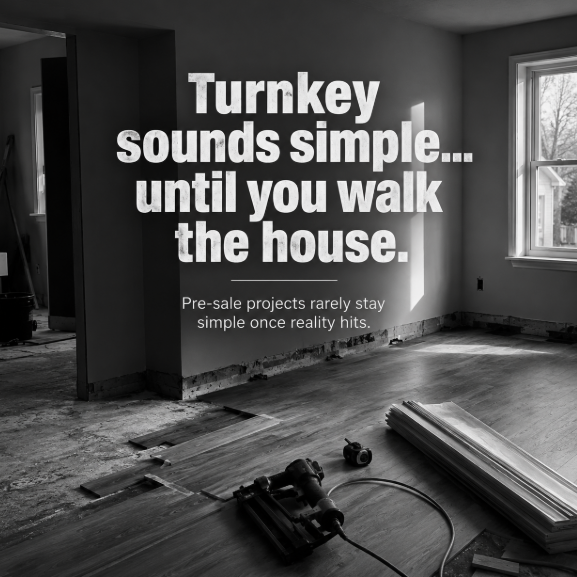
Week 2: When Pre-Sale Prep Turns Into the Actual Remodel
Most pre-sale projects start with a simple idea:
Clean it up. Freshen it up. Get it ready to list.
That was the original scope on this one.
Interior paint. Exterior curb appeal cleanup. Pressure washing. Dump runs. Remove baseboards so Home Depot could come in later for flooring, then reinstall them.
Straightforward prep work before the “real work” happens.
But once the timeline came into play, the project shifted.
The original plan
At the start, this was a classic lite pre-sale prep job:
Interior painting throughout
Exterior pressure wash and curb appeal cleanup
Dump runs and general haul-off
Baseboard removal to prep for flooring install (by Home Depot)
Reinstallation after flooring was complete
The goal was simple—get the home cleaned up and ready for other trades to come in and finish their pieces.
We weren’t supposed to be the flooring contractor.
We were strictly prep.
Where things changed
Once the homeowner got back into town and we started lining up the schedule, the flooring timeline became the deciding factor.
Home Depot was more than a month out on install.
And at that point, the decision was simple:
Waiting that long didn’t make sense for a pre-sale property.
So the project shifted.
Not because the plan was wrong—but because the market timeline didn’t match the construction timeline.
What we became in real time
Instead of waiting on a delayed install, the scope naturally expanded into:
Full flooring installation instead of prep for it
Expanded interior finish and repair work
Replacing baseboards instead of reinstalling old ones
Coordinating transitions as flooring went in
Evaluating exterior fence repairs and potential repaint
This is where pre-sale work stops being “prep” and becomes “finish.”
Not by design—by necessity.
Why this happens on jobs like this
Pre-sale projects are always time-sensitive.
You’re not just trying to improve a house.
You’re trying to hit a listing window.
So when one piece of the plan slows everything down—like a month-long flooring delay—you either wait…
Or you adjust the scope so the project keeps moving.
In this case, waiting wasn’t the right answer.
The part people don’t always see
Most homeowners don’t think about how tightly connected these decisions are.
But once you start a pre-sale project, everything is linked:
flooring affects baseboards
baseboards affect paint touch-ups
interior finish affects how “done” the house feels
exterior curb appeal affects first impression before they even walk in
You can’t isolate one trade without affecting the rest.
So when the flooring schedule changed, everything else naturally followed.
Where we’re at now
We’re currently:
installing flooring in-house
completing interior finish updates tied to that work
replacing baseboards as part of the full system
continuing exterior cleanup and evaluating fence repair/repaint
What started as prep work is now a full pre-sale renovation path.
Not heavy remodel—but definitely not just “clean and list” anymore.
Final thought
Most pre-sale projects don’t expand because someone overcomplicates them.
They expand because the timeline and reality of the house don’t line up with the original plan.
And when that happens, the goal shifts from:
“get it ready”
to
“make sure nothing slows the sale once it hits the market”
That’s where this one landed.

What We Notice When We Leave Town
Summer is busy. Jobs are moving. Schedules are full. Sometimes the best thing you can do for your home is step away from it for a few days.
We just got back from a trip over to Seattle, and one thing always stands out when we travel: every area has different styles, different trends, and different priorities when it comes to homes.
But the basics never change.
A well-maintained home feels cared for. Fresh paint catches your eye. Clean landscaping makes a difference. A solid deck becomes the place everyone gathers. Small repairs done on time prevent big headaches later.
It's easy to get used to the things you see every day. The loose gate. The faded trim. The deck board you've been meaning to replace for two years.
Sometimes seeing other neighborhoods reminds you of the potential sitting right outside your own front door.
As we move into the heart of summer, now is a great time to walk around your property with fresh eyes. Make a list. Tackle a project. Take care of the little things before they become expensive things.
That's what we do every day at Mr. Clean Fix.
And after seeing plenty of homes on the road, we're always happy to be back serving North Idaho.

Summer Is Here. Your Exterior Won’t Fix Itself.
You’ve been looking at it all spring.
The deck that needs work.
The fence that didn’t make it through another North Idaho winter.
The backyard that could be something—if someone would just finally do it.
Here’s the reality most homeowners run into: summer here is beautiful, but it’s short. And the window between “perfect weather to build” and “now we’re racing fall again” closes faster than people expect.
This is that window.
Exterior Paint and Stain: Do It While the Weather Cooperates
Paint and stain are simple in theory—but they’re extremely picky about weather.
Too cold, too wet, too hot, too much moisture in the wood… and the coating doesn’t bond the way it’s supposed to. That’s when you start seeing early failure instead of long-term protection.
We’ve walked up to homes where everything looked fine from the driveway. Get close and it tells a different story—oxidized siding, cracked caulk lines, and moisture already working its way in.
Fresh exterior paint isn’t just cosmetic.
It’s a weather barrier for everything winter throws at your home.
If it’s been a few years, you’re not “considering it.” You’re already in the window where it matters.
Deck Builds and Replacements: Build It Once, Build It Right
A poorly built deck doesn’t fail on day one.
It fails three to five winters later.
That’s when boards soften, hardware starts loosening, and the ledger connection becomes something you start watching instead of trusting.
We see it all the time.
If you’re building new, summer is the right time:
footings cure correctly
framing dries properly
decking installs in stable conditions
and you’re actually using it before peak season ends
If you’re replacing an existing deck, the same logic applies—stop putting up with something you don’t trust under your feet.
The difference between “cheap” and “done right” is usually a few thousand dollars.
The difference in lifespan is measured in decades.
Patios, Pergolas, and Covered Spaces: The Upgrade Nobody Regrets
We hear it constantly:
“We should’ve done this years ago.”
A covered outdoor space changes how you actually use your property.
It’s not just shade—it’s usable time outside.
Hot afternoons, light rain, even full summer evenings become usable instead of avoided.
That’s the difference between a yard you own and a yard you actually live in.
Material choices matter here:
concrete or pavers for longevity
cedar or steel for structure
proper footings so nothing moves over time
These decisions are easy before construction starts. Much harder after.
Build it this summer and you use it this summer.
Wait, and it becomes next year’s plan again.
Sheds and Outbuildings: The Space You’re Already Running Out Of
Most backyards don’t fail because they’re too small.
They fail because storage never got solved.
That “temporary” setup in the corner of the yard? It turns permanent fast.
A properly built outbuilding fixes that:
proper foundation (not skids sitting on dirt)
solid framing built for snow load
weather-tight shell that actually lasts
Done right, it becomes usable space immediately—storage, workshop, studio, or just breathing room in the rest of your property.
Done cheap, it becomes another project in a few years.
We don’t build the second version.
The Mr. Clean Fix Take
Summer schedules don’t stay open long in North Idaho.
The calls we’re getting right now are from homeowners who planned ahead. By late summer, the conversation shifts fast toward fall—and some projects get pushed all the way to next year.
Not because they weren’t important.
Because the window closed.
If it’s on your list, this is the week to make the call.
Not pressure. Just timing.
Because in exterior work, timing is everything—and this one doesn’t wait.
📞 (208) 292-7204
mrcleanfix.com

Memorial Day
Today is about remembering the people who never made it home.
So spend time with your people. Fire up the grill. Sit in the backyard a little longer. Appreciate the home and life you've built.
Taking care of what you have — your home, your family, your space — that's not a small thing.
And maybe let today be a reminder not to keep putting off the things that matter most — the projects, the plans, the time together, the spaces that make home feel like home.
From all of us at Mr. Clean Fix — thank you to those who served and sacrificed. 🇺🇸
Curb Appeal Boosters: First Impressions That Last
Curb Appeal Boosters: First Impressions That Last
Most homeowners pour money into the inside of their house — new kitchen, updated bathrooms, fresh flooring.
Then they pull into the driveway and wonder why it still looks tired.
The outside is where the first impression lives. It's what a buyer sees before they step out of the car — and what you come home to every single day.
In North Idaho, where winters are hard on paint, wood, and everything exposed to the elements, the exterior takes a beating that sneaks up on people. One season it looks fine. The next they're standing in the driveway wondering when it started looking like that.
The good news: most curb appeal problems don't require a massive project. They require the right attention in the right places.
Here's where that attention actually belongs.
Start With the Front Door
If there's one place to put money first, it's here.
The front door is where every visitor's eye lands. It's the focal point of the entire front of the house. And it's one of the most underinvested surfaces on most homes we walk up to.
A fresh coat of paint in a color that actually has personality. New hardware — handle, deadbolt, kickplate — in a finish that feels intentional. A door that closes solidly and looks like it belongs on the house.
We've repainted front doors and had homeowners tell us the whole house looked new. That's not an exaggeration. A quality front door repaint runs a few hundred dollars. The visual return is immediate and disproportionate to the cost.
If yours is faded, dated, or just forgettable — start here.
Exterior Paint and Siding: When It's Time, It's Time
North Idaho weather doesn't negotiate with exterior paint.
UV exposure, freeze-thaw cycles, moisture — they work on unprotected surfaces every single season without asking permission.
We've walked up to homes where the siding looked passable from the street. Get within ten feet and the paint is cracking, the caulk is failing, and moisture has already started finding its way in. At that point curb appeal is the least of the problem — you're looking at rot, water intrusion, and a repair bill that makes the paint job look cheap by comparison.
The signs it's time: uneven fading, peeling at trim lines, caulk that's cracking and pulling away. Any one of those means the clock is already running.
Exterior paint done right — properly prepped, properly primed, right product for this climate — doesn't just improve how the house looks. It's a layer of protection that extends the life of everything underneath it. Budget a few thousand for a quality exterior repaint and it's one of the highest return investments a homeowner can make.
Landscaping: What We Actually See Out Here
This is the one area where homeowners either overthink it or completely ignore it.
You don't need a landscape architect. But you do need to address what we walk past constantly on North Idaho properties — overgrown shrubs that have crept past window level, pine needle buildup sitting against the foundation, landscaping beds that haven't been edged since the house was built, and the occasional tree that's grown close enough to the roofline to cause real problems.
People don't see the individual problems. They just feel one thing — neglected.
The fix is almost always simpler than people think. Cut back what's overgrown. Edge the beds. Clear pine needles away from the foundation where moisture sits. Add fresh bark or rock. Put something with color near the entry.
A weekend of work and a few hundred dollars changes the entire feel of the front of a house. We see it every time.
Concrete and Walkways: The Detail Nobody Thinks About
Here's one we see constantly.
A home with a solid exterior, decent landscaping, good front door — and a cracked, heaved, or stained concrete walkway leading up to it.
The walkway is the path every visitor takes to reach your door. When it's cracked or uneven it's a liability and a first impression problem at the same time. And it undercuts everything else even if nobody consciously registers why the approach feels off.
Depending on condition — repair, resurfacing, or full replacement. Pavers as an upgrade that adds real character. Even pressure washing an existing walkway before deciding it needs replacing — sometimes that's the whole fix for a few hundred dollars.
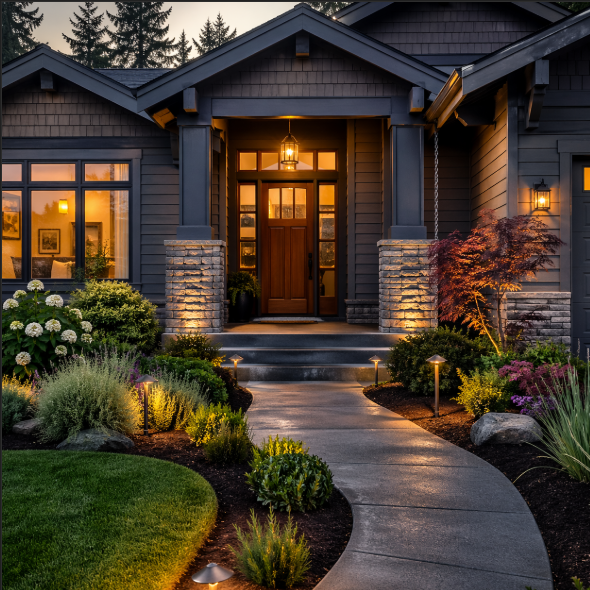
The path to your front door should feel intentional. Not like something nobody got around to.
Lighting: What the House Looks Like After Dark
Most people think about curb appeal in daylight. They forget the house exists after 5pm.
In North Idaho that matters more than most places. It gets dark early for a solid chunk of the year. Exterior lighting done right — path lighting to the entry, soffit or eave lighting on the front elevation, a house number that's actually visible from the street — changes the entire character of a home after dark.
Poorly placed fixtures, builder-grade lights nobody has touched since the house was built, or nothing outside a single porch bulb — these make a house disappear at night.
Your home should look as good at 7pm in January as it does on a July afternoon. That's a fixable problem most people skip entirely.
The Small Details That Do Big Work
Gutters that are clean, straight, and not pulling away from the fascia. Trim that's caulked and painted cleanly. House numbers that are visible and have some personality. A mailbox that doesn't look like it survived a decade of neglect.
None of these are expensive. None of them are complicated.
All of them get noticed — even when nobody can say exactly why the house looks sharp. They just feel it.
That's how curb appeal works. It's not one dramatic change. It's a collection of details that add up to a feeling. And that feeling is either working for you or against you every single day.
The Mr. Clean Fix Take
First impressions don't get a second chance. That's true for people and it's true for houses.
We've walked up to homes that were beautiful inside — genuinely updated and well maintained — sitting behind an exterior that told a completely different story. And we've seen modest homes that stopped people because someone paid attention to the right details outside.
The outside of your home is saying something to everyone who drives past, walks up, or pulls into your driveway. The question is whether it's saying what you want it to.
If your exterior has been sitting on the list, reach out and we'll set up a time to take a look with you — show you where the right investment is, where it isn't, and what's actually going to move the needle versus what can wait.
Because curb appeal isn't about impressing strangers.
It's about a home that looks as good on the outside as it actually is.
5 Kitchen Layout Mistakes We See All the Time
Kitchen Reality Check — Part 2 of 3
This is Part 2 of our Kitchen Reality Check series — three blogs breaking down what actually makes a kitchen work, from a contractor who's seen the good, the bad, and the "why did anyone think that was a good idea."
We walk into a lot of kitchens.
Some are beautiful. Some are functional. Some are both.
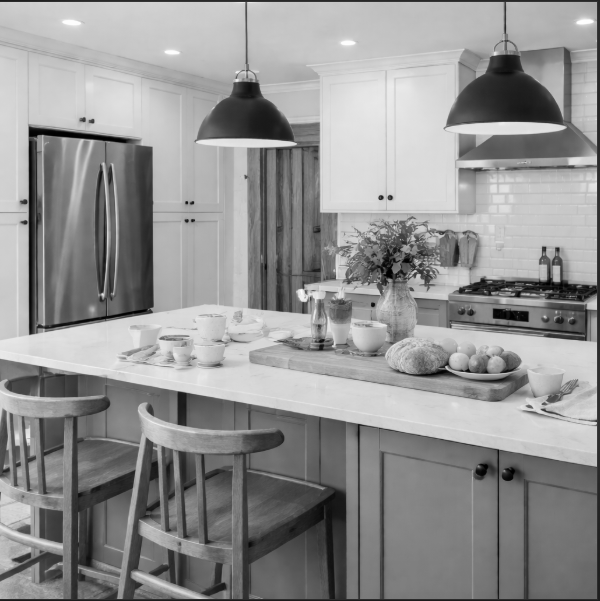
And then there are the ones where you open the dishwasher and can't get to the sink. Where the fridge is marooned at the end of a counter with nowhere to set anything down. Where one overhead light casts a shadow directly onto the one place you're trying to work.
These aren't rare. They're not one-offs. They're the same five mistakes — over and over — in kitchens all across North Idaho, from older homes to brand-new remodels that were finished just a few years ago.
Here they are — and more importantly, why they happen and how to avoid them.
Mistake #1: The Fridge in the Wild
You know this one when you see it.
The refrigerator shoved to the end of a cabinet run with zero counter space on the handle side. No landing zone. No place to set anything down.
So every time someone opens that fridge and pulls out groceries — raw chicken, a gallon of milk, whatever — they're turning around, dripping, hunting for a surface that isn't there.
This isn't a budget problem. It's not a space problem.
It's a two-foot planning mistake that affects daily life forever.
Counter space on the handle side of the fridge isn't optional. It's how kitchens are supposed to work. When that gets skipped — usually to squeeze in one more cabinet — you feel it every single day.
Mistake #2: The Walkway That Became a Traffic Jam
This one shows up constantly in remodels where someone really wanted an island.
The island goes in. It looks great. And then you realize the walkway on one side is 32 inches wide.
Thirty-two inches sounds fine until the dishwasher is open. Or two people are cooking at the same time. Or someone is trying to get to the pantry while another person is standing at the stove.
Now you've got shoulder bumping, blocked paths, and a kitchen that fights you at exactly the moment you need it to cooperate.
Here's what makes this particularly frustrating in North Idaho: the space is usually there. Most of these homes have room to do it right. The mistake isn't square footage — it's forcing a Pinterest layout into a kitchen that needed something different.
Minimum 42 inches in a working aisle. 48 if two people cook together regularly. That's not a luxury. That's just math.
Mistake #3: The Dishwasher Door Trap
This one is so specific it almost feels personal.
A dishwasher placed so that when the door drops open it either blocks the sink, pins someone against the island, or swings directly into the main walkway.
The result: you literally cannot load dishes while another person is at the sink. You can't have the dishwasher open and move freely through the kitchen at the same time.
We've literally seen it where someone has to step back and just wait to rinse a plate because the dishwasher door is down. Every single day. In a kitchen that was supposedly designed.
It sounds like a small thing. It isn't.
You load that dishwasher every single day. And every single day it's going to remind you that nobody thought this through.
The worst part? This one almost never gets caught until install day. By then the plumbing is roughed in and moving it is a whole different conversation. This is exactly why layout decisions need to happen on paper — not on the jobsite.
Mistake #4: The Corner Cabinet Black Hole
Somewhere in almost every kitchen there's a corner cabinet that became a graveyard.
The opening is too small for what's behind it. The lazy Susan spins but nothing useful actually comes out. Half the cabinet hasn't been touched in three years because whatever's in there requires a minor excavation to retrieve.
That corner had options. Blind corner pull-outs. Deep drawers. Even intentional dead space used smarter.
Instead it got a lazy Susan that isn't lazy — and definitely isn't useful.
Corner storage is one of the most solvable problems in kitchen design. It just requires someone to actually think about it instead of defaulting to whatever's easiest to order.
Mistake #5: Lighting That Pretends to Be Enough
One overhead fixture in the center of the ceiling.
That's it. That's the whole lighting plan.
Here's the problem: the moment you stand at the counter to prep food, your body blocks that light. You're working in your own shadow. Every single time.
No under-cabinet lighting. No task lighting over the sink. Just one light behind you pretending to illuminate a whole kitchen.
This one stings a little more in North Idaho because our winters are dark. Long dark mornings, early dark evenings — your kitchen lighting isn't just a design choice, it's a quality of life choice for about five months of the year.
And here's the thing that makes this mistake so avoidable: lighting is cheap compared to everything else in a kitchen remodel. Cabinets, countertops, appliances — those are where the budget goes. Under-cabinet lighting is a fraction of that cost and it completely changes how the kitchen feels and functions.
There's no good reason to skip it.
The Bonus Mistake Nobody Talks About: The Microwave in No-Man's Land
Mounted too high for anyone under six feet to use safely. Shoved in a corner nowhere near where food is actually prepped. Tucked above the stove where you're reaching over hot burners to pull out a bowl of something hot.
The microwave gets treated like an afterthought in almost every kitchen we walk into.
It shouldn't be. Most people use it multiple times a day. It deserves a real spot in the layout — at counter height, near the prep zone, accessible without a circus act.
The Common Thread
Every single one of these mistakes has the same root cause.
Someone made a decision that looked fine on paper — or looked good in a showroom — without thinking through how a real family actually uses a kitchen on a real Tuesday night.
That's the whole game. Not what looks good. What works.
Next time you're in your kitchen, open the dishwasher. Check the fridge landing zone. Stand at the counter and notice where the light actually falls.
Your kitchen will tell you exactly where the planning stopped — you just have to look at how it fights you.
Next up — the final installment of Kitchen Reality Check: "Do You Actually Need an Island?" We're settling this one for good. Publishing next Friday.
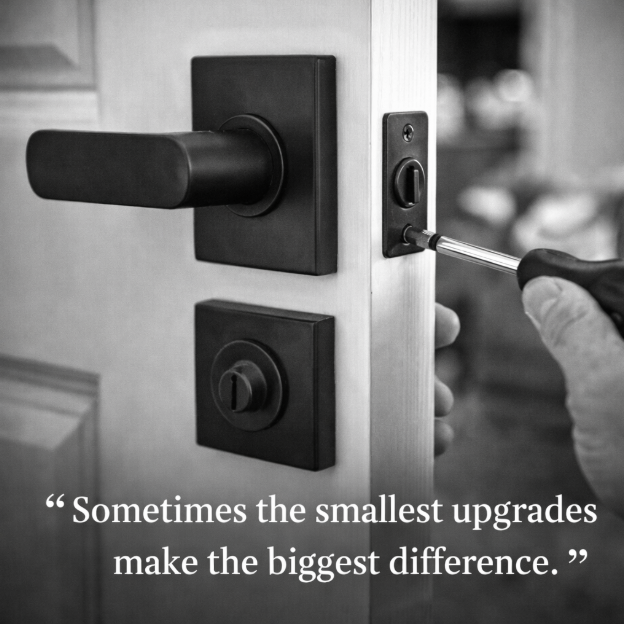
Small Upgrades That Make Your Home Feel Brand New
Sometimes homeowners think the only way to refresh their home is with a full remodel. While major renovations can be exciting, they aren’t always necessary to create that “wow, this feels amazing again” moment.
The truth is, some of the most satisfying changes come from small upgrades that transform how a space feels without requiring a huge budget or weeks of construction.
At Mr. Clean Fix, we’ve seen firsthand how a few smart improvements can completely change a home’s atmosphere. If your space feels a little tired or outdated, here are some upgrades that can make it feel brand new again.
1. Upgrade Your Lighting
Lighting is one of the most underrated design elements in a home.
Swapping outdated light fixtures for something modern can instantly refresh a room. Even simple changes like brighter LED bulbs, new pendant lights over a kitchen island, or updated bathroom vanity lighting can dramatically improve the mood of a space.
Good lighting doesn’t just help you see better — it makes the entire room feel cleaner, warmer, and more inviting.
2. Replace Old Hardware
Cabinet handles, drawer pulls, and door hardware are small details that make a big visual impact.
If your kitchen or bathroom cabinets are still in good condition but feel dated, replacing the hardware can completely change the look. Modern matte black, brushed nickel, or warm brass finishes can give cabinets a whole new personality.
It’s one of the fastest ways to create the feeling of a mini remodel.
3. Refresh the Paint
Few things transform a space faster than fresh paint.
Walls collect years of scuffs, small marks, and fading without us realizing it. A new coat of paint can instantly brighten a room and make everything feel cleaner and more updated.
Even better, a subtle color change can completely shift the vibe of a space — from cozy and warm to bright and modern.
4. Install a New Backsplash
A backsplash is like the jewelry of a kitchen.
It’s a relatively small area, but it draws the eye and helps define the style of the entire room. Whether it’s classic subway tile, textured stone, or a modern pattern, a new backsplash can breathe life into a kitchen without replacing cabinets or countertops.
It’s one of those upgrades where homeowners often say, “I wish we did this sooner.”
5. Improve Trim and Caulking
This is one upgrade people rarely think about — but it makes a huge difference.
Over time, caulking cracks, trim gets dinged, and small gaps appear around baseboards and windows. Cleaning up those details with fresh caulking and repaired trim lines gives the home a crisp, finished look again.
It’s subtle, but the entire home feels sharper and more cared for afterward.
6. Update Flooring in High-Impact Areas
If replacing flooring throughout the entire home isn’t in the plan, consider updating one high-traffic area.
Entryways, kitchens, and bathrooms see the most use. Installing something like luxury vinyl plank (LVP) or new tile in those spaces can instantly modernize the home while being durable and practical.
Sometimes one well-chosen flooring update can elevate the entire house.
Small Changes, Big Impact
Home improvement doesn’t always mean tearing everything down and starting over.
Often, the biggest difference comes from thoughtful upgrades that improve the details we interact with every day. Fresh lighting, updated hardware, new paint, and clean finishes can make a home feel refreshed without overwhelming the budget.
If you’re thinking about improving your space but aren’t sure where to start, focusing on a few strategic upgrades can go a long way toward making your home feel brand new again.
And when you’re ready to bring those ideas to life, the team at Mr. Clean Fix is always happy to help.

The Contractor–Client Relationship: What Makes a Project Go Smoothly
Let’s be honest — remodeling isn’t just about lumber, tile, or paint colors.
It’s about people.
At Mr. Clean Fix, we’ve learned that the difference between a stressful project and a smooth one almost always comes down to one thing:
The relationship between contractor and client.
You can have the best materials in the world, but if communication breaks down or expectations aren’t aligned, the experience suffers. When the relationship is strong, though? Projects flow. Decisions get made faster. Problems get solved easier. And everyone walks away proud of the result.
Here’s what truly makes a contractor–client relationship work.
1. Clear Expectations From Day One
Smooth projects start before demo even begins.
That means:
Clear scope of work
Transparent pricing
Honest timelines
Defined responsibilities
When both sides understand exactly what’s included (and what’s not), there are fewer surprises later. Surprises are what derail budgets and moods.
We believe in putting everything in writing and walking through it together. It’s not about paperwork — it’s about clarity.
2. Communication That Goes Both Ways
The best projects feel like teamwork.
Clients should feel comfortable asking questions. Contractors should provide updates before they’re asked for them. If something changes — whether it’s material availability or an unexpected framing issue — it needs to be communicated quickly and clearly.
Silence creates stress.
Transparency builds trust.
Even tough conversations are easier when the foundation is strong.
3. Flexibility Without Chaos
Here’s the reality of remodeling:
Once walls open up, sometimes we find things.
Old wiring. Hidden water damage. Framing that doesn’t meet code. It happens.
A smooth project isn’t one without hiccups — it’s one where both contractor and client approach those hiccups with problem-solving energy instead of panic.
Flexibility matters. So does trust that your contractor is recommending solutions in your best interest, not upselling you.
4. Respect on Both Sides
This one is big.
Contractors are working in your home — that’s personal space. We respect that by:
Keeping work areas clean
Protecting flooring and furniture
Showing up when we say we will
Treating your home like it’s our own
On the flip side, smooth projects happen when clients respect:
Working hours
The process
The expertise they hired
Mutual respect changes everything.
5. Realistic Timelines & Decision-Making
One of the biggest project slowdowns? Delayed decisions.
Tile not picked.
Fixture undecided.
Paint color still “thinking about it.”
When selections are made on time, work keeps moving.
A good contractor will guide you through decision points ahead of schedule so you’re never rushed — but staying engaged on your end keeps momentum strong.
6. Trust the Process (and the Professionals)
There’s a reason you hired a contractor.
You don’t have to know how to sister joists or float drywall. That’s our job. What makes projects smooth is when clients trust the craftsmanship and the sequencing of the work.
And trust is earned — not assumed.
It’s built through communication, consistency, and integrity.
7. Shared Vision
The most satisfying projects happen when everyone is working toward the same outcome.
When contractor and client both care about the finished product — not just “getting it done” — the quality shows.
We love when clients are excited. That energy fuels the work.
The Bottom Line
A smooth project isn’t just about skill.
It’s about partnership.
At Mr. Clean Fix, we don’t see projects as transactions. We see them as collaborations. When expectations are clear, communication is open, and respect flows both ways, remodeling can actually be an enjoyable process.
And that’s always the goal.

Big Care for Small Projects: Project Spotlight – The Chicken Coop & Greenhouse Renovation
At Mr. Clean Fix LLC, we believe every project deserves quality workmanship and careful attention to detail—no matter the size. Small projects often make the biggest difference in how a property functions day to day. This recent chicken coop and greenhouse renovation is a perfect example of how thoughtful improvements can create safer, more efficient, and more enjoyable spaces.
Our client wanted to improve the safety of their chicken coop and transform their greenhouse into a more functional area for starting plants and gardening year-round. While these were not large remodels, they required skill, precision, and customized solutions.
🐓 Chicken Coop Safety Renovation
When we arrived on site, the chicken coop presented a serious fire hazard. The existing insulation and electrical wiring were unsafe and needed immediate attention to protect both the animals and the property.
Our team at Mr. Clean Fix LLC focused on improving safety and durability by completing the following work:
Removing old and damaged insulation from the ceiling
Reinsulating the ceiling with proper fire-safe materials
Resheathing the ceiling to create a clean, secure finish
Completing electrical upgrades to eliminate fire risks
Ensuring the structure was safe, functional, and built for long-term use
The result was a clean, secure, and much safer environment for the chickens. The homeowner now has peace of mind knowing their coop is protected from potential hazards and built to last.
🌿 Greenhouse Upgrade & Custom Plant Start Station
The greenhouse renovation focused on increasing functionality and creating the ideal environment for starting plants. We designed and built a custom shelving system specifically for plant starts and installed custom lighting to support healthy growth.
Our greenhouse improvement work included:
Building a custom shelf system for plant starts
Installing specialized grow lighting for optimal plant development
Replacing an existing window to improve ventilation and overall usability
Assisting with plumbing upgrades inside the greenhouse
Organizing the space to be more efficient and gardener-friendly
Now the greenhouse is refreshed, more functional, and ready to support productive growing seasons all year long.
Why Small Projects Matter
Many homeowners believe contractors only focus on large remodeling jobs. At Mr. Clean Fix LLC, we take pride in handling small projects with the same care and professionalism as full renovations. Chicken coops, greenhouses, sheds, and backyard structures are essential parts of how families live and enjoy their homes.
This project highlights our commitment to:
Safety-first workmanship
Custom solutions for unique spaces
Quality craftsmanship
Honest and dependable handyman services
Treating every project with care and respect
Even small upgrades can dramatically improve safety, efficiency, and comfort.
Big Care for Every Project
This chicken coop and greenhouse renovation perfectly represents our mission: Big Care for Small Projects. Whether it’s a custom shelf system, electrical safety upgrades, plumbing assistance, or structural repairs, Mr. Clean Fix LLC is here to help homeowners improve the spaces that support their lifestyle and passions.
If you have a small project that’s been sitting on your to-do list, our team is ready to help turn it into a clean, safe, and functional space you can enjoy for years to come.