Flooring Trends for Modern Homes: Choosing Style and Durability
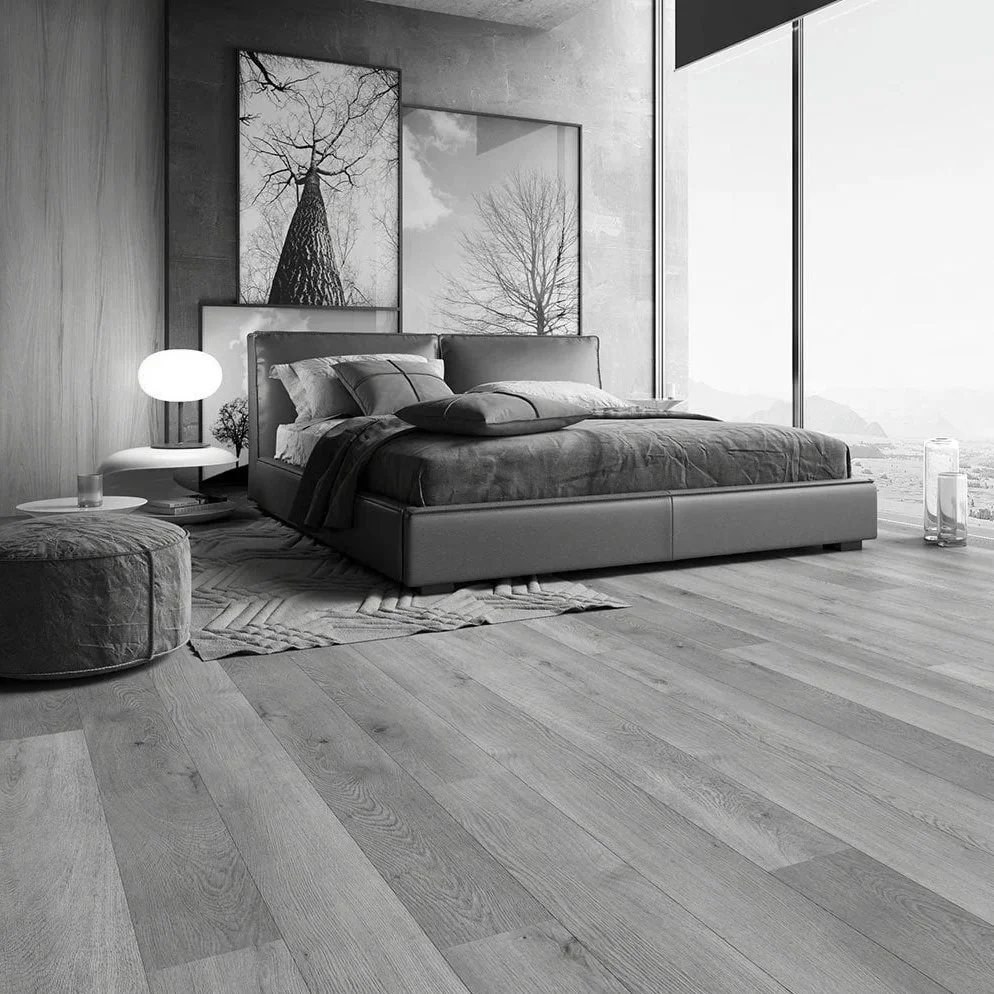
Your floors set the tone for everything above them.
Before the furniture, the lighting, the paint colors — the floor is what your eye lands on first. It's what your feet feel every single morning. And yet, flooring is one of those decisions homeowners often rush — or get talked into — without fully understanding their options.
At Mr. Clean Fix, we've installed, repaired, and replaced a lot of flooring in North Idaho homes. And we've seen what holds up, what doesn't, and what homeowners wish they'd chosen differently.
Here's what's trending in 2026 — and more importantly, what's actually worth it.
Wide Plank Everything
If you've been scrolling design feeds lately, you've noticed it: planks are getting wider. The narrow strip hardwood of decades past is giving way to wide plank formats — in hardwood, LVP, and engineered options — that make rooms feel more open and modern.
Why it works: Fewer seams mean a cleaner visual flow. Wide planks also showcase the natural grain and character of the material better than narrow strips ever could.
Why it lasts: This isn't a trend that's going anywhere. Wide plank has deep roots in traditional European design and it translates beautifully into both modern and farmhouse aesthetics.
Luxury Vinyl Plank (LVP) — Still the Reigning Champion
LVP has dominated the flooring market for years now, and for good reason. It looks like hardwood, performs like tile, and costs a fraction of either.
Modern LVP has evolved significantly. Today's options feature:
Deeper embossing that mimics real wood grain
Wider and longer plank formats
Improved wear layers for high-traffic durability
Waterproof cores that make it ideal for kitchens, bathrooms, and basements
For North Idaho homes — where winter means wet boots, muddy dogs, and temperature swings — LVP is often the smartest choice we recommend.
Warm, Natural Tones Are Back
The gray-everything trend had a long run. But design is shifting back toward warmer, more organic tones: honey oak, warm walnut, creamy beige, and natural wood expressions that feel alive instead of cold.
This shift mirrors a broader movement in interior design toward materials that feel grounded and natural. Think less "showroom" and more "lived-in warmth."
If you're choosing flooring you plan to keep for the next decade, leaning into warm neutral tones is a safer bet than committing to a trend color that may feel dated in five years.
Matte Finishes Over High Gloss
Glossy floors had their moment — and then homeowners discovered exactly how unforgiving they are. Every footprint, every scratch, every dust particle shows up under a high-gloss finish.
Matte and satin finishes are the current standard for good reason. They're more forgiving on everyday wear, they photograph better, and they tend to feel more intentional and modern than their shiny counterparts.
Whether you're going hardwood, LVP, or tile, the finish you choose matters as much as the material itself.
Large Format Tile in Kitchens and Bathrooms
In wet areas, tile is still king. And like plank flooring, tile is going bigger.
Large format tiles — think 24x24 or even larger — create a seamless, sophisticated look with fewer grout lines. That means less maintenance and a cleaner aesthetic that works in both modern and transitional spaces.
Porcelain continues to be the go-to material for its durability and low maintenance, especially in high-use bathrooms and kitchens.
Mixing Materials Intentionally
One of the more interesting design moves we're seeing is the intentional mix of materials between spaces.
Instead of running the same flooring throughout an entire home, homeowners are defining zones with different materials — tile in the kitchen that transitions into LVP in the living room, or hardwood in the main area that gives way to a patterned tile in an entryway.
Done well, this approach adds visual interest and allows each space to have its own personality while still feeling cohesive. Done poorly, it feels choppy.
The key word is intentional. The transition needs to make sense — visually and functionally.
What to Ask Before You Choose
Before picking a floor based on what looks good in a showroom, ask yourself:
Who lives in this home? Kids, pets, and heavy foot traffic change the equation entirely.
What's the subfloor situation? The best flooring fails on a bad subfloor. This is something we assess before recommending any material.
Are you staying or selling? If resale is the goal, neutral and durable wins every time.
What's the long-term plan for the space? Flooring a basement differently than a master bedroom isn't just acceptable — it's smart.
The Mr. Clean Fix Take
Flooring trends come and go, but the homes that hold up best — and feel best to live in — are the ones where decisions were made thoughtfully.
Beautiful flooring isn't just about choosing the right material. It's about proper prep, professional installation, and choosing something that fits how you actually live — not just how a room looks in a magazine.
If you're considering new flooring and want honest guidance before you commit, we're always happy to walk through the options with you.
Because the right floor is one you'll still love five years from now.