Renovating Before Selling: Which Home Improvements Are Actually Worth It?
If you're thinking about selling your home, it's natural to look around and start making a list.
The kitchen could use an update. The bathroom feels dated. Maybe the walls need fresh paint, the flooring has seen better days, or there are a handful of repairs you've been putting off.
But here's the important question:
Which improvements are actually worth doing before you put your home on the market?
Not every renovation will give you a return that makes sense. And spending tens of thousands of dollars on a project right before selling doesn't automatically mean you'll get that money back in the sale price.
The goal should be to make smart improvements that help your home show well, appeal to more buyers, and address problems that could make someone hesitate.
Start With the Things Buyers Will Notice
Before thinking about a major renovation, walk through your home as if you're seeing it for the first time.
What immediately stands out?
Worn flooring? Chipped countertops? Dated fixtures? Damaged trim? Walls that need paint? An outdated bathroom? A kitchen that feels dark or cramped?
These are the types of things that can influence a buyer's first impression.
You don't necessarily need to completely transform every room. Sometimes relatively straightforward improvements can make a home feel significantly more cared for.
Fresh paint, updated fixtures, repaired drywall, new trim, improved lighting, or replacing worn flooring can all help a home feel cleaner and more current.
The Kitchen Usually Deserves Attention
The kitchen is one of the rooms buyers tend to pay close attention to, but that doesn't mean you need to install a completely new luxury kitchen before selling.
Start by asking what the kitchen actually needs.
If the cabinets are in good condition, could they be refinished or repainted? Would new hardware and lighting make a difference? Could replacing the countertops or backsplash give the room a more updated appearance?
Sometimes a targeted kitchen update makes more sense than a full remodel.
On the other hand, if the kitchen is significantly outdated or poorly laid out, a larger renovation may be worth considering—especially if the improvements address problems that would otherwise make buyers look elsewhere.
The key is knowing where to stop.
Bathrooms Can Have a Big Impact
Bathrooms are another area where smaller improvements can make a noticeable difference.
Replacing an outdated vanity, mirror, lighting, fixtures, flooring, or worn finishes can give a bathroom a much fresher appearance.
If the shower or tub is damaged, outdated, or showing signs of water damage, addressing those problems can be especially important.
Again, the goal isn't necessarily to create the most luxurious bathroom in the neighborhood.
It's to create a bathroom that makes a buyer think:
"I can see myself living here."
Don't Ignore the Small Repairs
This is where a lot of homeowners can get caught up.
They start thinking about a $30,000 kitchen remodel while overlooking the loose handrail, damaged door, cracked drywall, sticking cabinet, missing trim, or other small issues throughout the house.
Buyers notice those things.
And even when an individual repair isn't a big deal, a long list of unfinished items can create the impression that the home hasn't been well maintained.
Before listing, make a punch list.
Walk through each room and make note of anything that is damaged, unfinished, worn, or simply not working the way it should.
Taking care of those items can often be a better investment than putting all of your money into one large cosmetic project.
Paint Is One of the Safer Updates
A fresh coat of paint can go a long way when you're preparing a home for sale.
If the walls are scuffed, heavily personalized, or painted in colors that may be difficult for buyers to envision themselves living with, a more neutral palette can help the home feel clean and move-in ready.
Paint can also make rooms feel brighter and more cohesive.
And unlike a major remodel, it's an improvement that can change the appearance of a home without completely changing its character.
Don't Forget Flooring and Lighting
Two things that can dramatically affect how a home feels are flooring and lighting.
Worn, damaged, or mismatched flooring can make an otherwise nice home feel tired.
Likewise, poor lighting can make rooms feel smaller and darker than they really are.
Replacing severely worn flooring or updating outdated light fixtures may be worthwhile, particularly when those improvements can make several rooms feel more cohesive.
You don't necessarily need to replace every floor in the house. Focus on the areas where the condition is most noticeable and where an improvement will have the greatest impact.
Fix Problems Before You Try to Hide Them
This is an important one.
If there's a known issue with the home, putting a cosmetic improvement over it doesn't make the problem disappear.
Water damage, plumbing problems, electrical issues, damaged siding, roof concerns, or other significant maintenance issues should be addressed appropriately.
Buyers and inspectors are likely to uncover major problems anyway, and discovering them during the sales process can create negotiations, delays, or lost confidence.
A home doesn't have to be perfect to sell.
But it should be honest, maintained, and ready for its next owner.
Don't Over-Improve for the Neighborhood
This is where homeowners can potentially spend more money than they'll ever recover.
If you're preparing a home for sale, look at the homes around you.
What are comparable homes selling for? What level of finish do buyers expect in your neighborhood? Are you making improvements that will actually help your home compete, or are you creating a house that is significantly more expensive than everything around it?
A beautiful, high-end kitchen is wonderful—but if the surrounding homes have much lower price points, you may not get the return you're expecting.
Renovation decisions should make sense for the home and the market.
Think Like a Buyer
One of the best ways to prioritize improvements is to stop thinking like the person who has lived in the house for years.
Think like someone walking through it for the first time.
Would you notice the outdated bathroom?
Would the flooring bother you?
Does the kitchen feel functional?
Are there obvious repairs that need attention?
Does the house feel clean, bright, and well maintained?
Would you be excited to move in—or immediately start making a list of everything you'd have to fix?
That perspective can help you determine where your money is best spent.
So, What Should You Renovate Before Selling?
There's no universal answer because every home and every market is different.
But generally, the best pre-sale improvements are the ones that:
Fix obvious problems
Improve the home's functionality
Make the home feel clean and well maintained
Update noticeably dated spaces
Improve first impressions
Help buyers picture themselves living there
Keep the improvements appropriate for the neighborhood
And sometimes, the best decision is not to take on a major renovation at all.
If you're selling soon, you may be better off investing in targeted repairs and cosmetic updates rather than starting a large project that won't be finished—or won't provide the return you're hoping for.
Planning to Sell?
At Mr. Clean Fix, we work with homeowners on everything from smaller pre-sale repairs and updates to larger remodeling projects.
If you're preparing to put your home on the market, we can help you look at the property as a whole and identify improvements that can make sense for your goals.
You don't have to renovate everything before you sell. You just need to know what matters.
If you're getting your home ready for the market in Coeur d'Alene or the surrounding North Idaho area, contact Mr. Clean Fix to talk through your project.
What Homeowners Should Know Before Starting a Kitchen Remodel
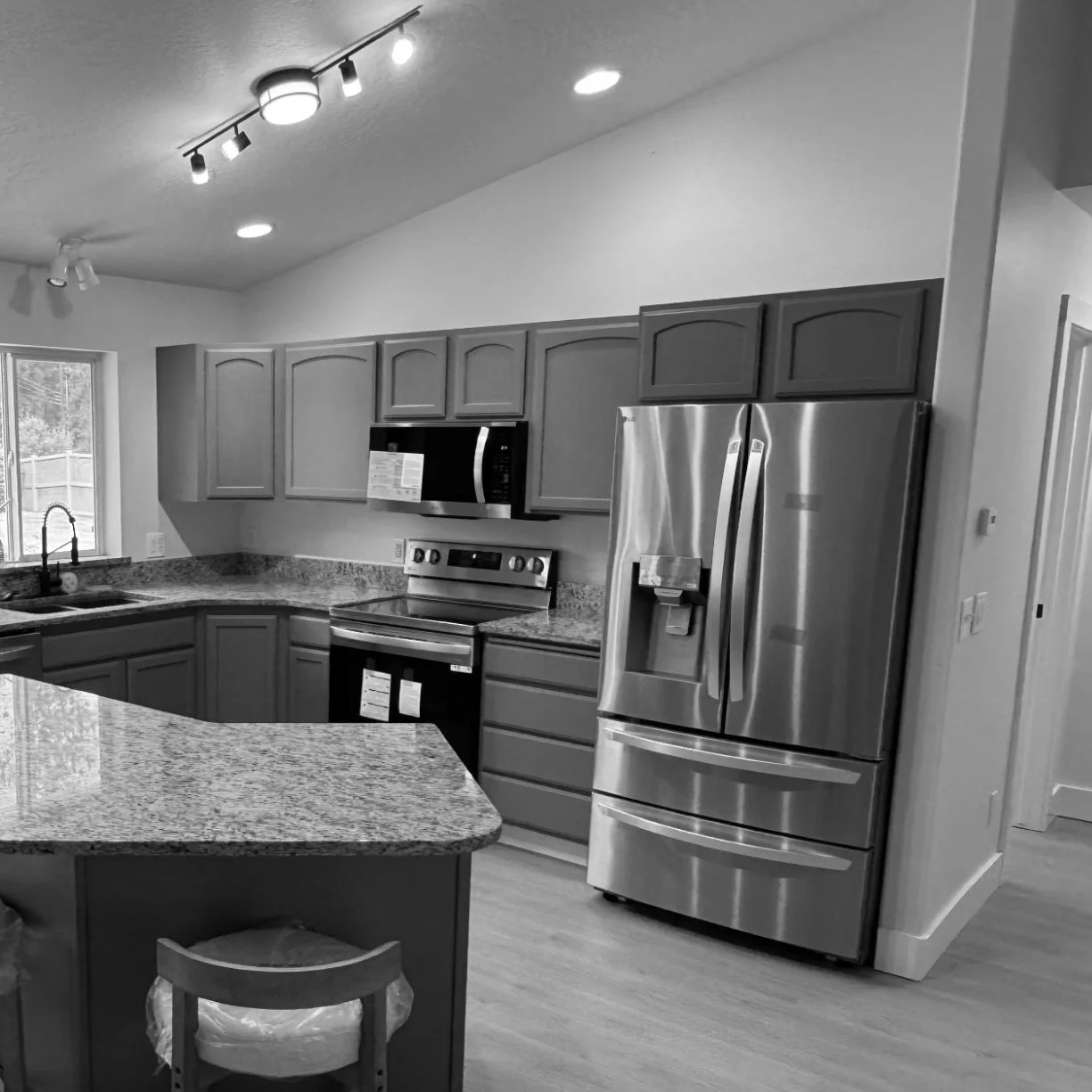
With Labor Day weekend here, we're taking a moment to appreciate something we know pretty well at Mr. Clean Fix: good work takes planning, skill, and a lot more behind the scenes than most people ever see.
A kitchen remodel is a perfect example.
From the first conversation about what isn't working in your current kitchen to the final cabinet adjustment and backsplash detail, a successful remodel involves dozens of decisions—and plenty of skilled work along the way.
If you're thinking about remodeling your kitchen, here's what we think homeowners should know before construction begins.
Start With How You Use Your Kitchen
Before you start picking out countertops or scrolling through cabinet colors, think about what's actually frustrating you about your current kitchen.
Is there not enough counter space?
Do people constantly get in each other's way?
Is the refrigerator in an awkward location?
Do you need more storage?
Is there nowhere for someone to sit and hang out without being in the cooking area?
A beautiful kitchen that doesn't function well isn't much of an upgrade.
The best kitchen remodels start with how you actually live in the space.
That means looking at traffic flow, work areas, storage, appliances, seating, and the way your family uses the kitchen on an ordinary day—not just how the room looks in a picture.
The Layout Comes Before the Cabinets
It's tempting to start with cabinets because they're one of the most visible parts of a kitchen remodel.
But the layout should come first.
Where should the refrigerator go? Where will food be prepped? Where will the sink and dishwasher sit? Is there enough room around an island? Can two people work in the kitchen at the same time without constantly bumping into each other?
These decisions affect almost everything that comes afterward.
And this is where remodeling can become much more than simply replacing old cabinets with new ones. Sometimes the best solution involves moving a wall, relocating plumbing, changing electrical, or completely rethinking the existing layout.
That's why planning matters so much.
Cabinetry Is More Than a Color Choice
Once the layout is right, cabinetry becomes one of the biggest decisions in the project.
Of course, style matters. Cabinet color, door style, hardware, and finish all contribute to the overall look.
But what's inside the cabinets matters just as much.
Think about how you store pots and pans, where you want your spices, how often you use certain appliances, and whether drawers or doors make more sense for the way you work.
A well-designed kitchen doesn't just give you more storage.
It puts the storage where you actually need it.
Countertops Need to Work With the Whole Design
Countertops are another major visual element, but they're also one of the surfaces that gets used constantly.
When choosing a countertop, consider durability, maintenance, color, edge profile, and how it works with the cabinets, backsplash, flooring, and other finishes.
You don't necessarily need the most expensive material available.
You need the right material for the way you use your kitchen and the overall design you're trying to create.
A high-end remodel is about making intentional choices—not automatically choosing the highest-priced option.
Don't Forget the Appliances
Appliances can have a surprisingly large impact on your kitchen layout.
The size and location of the refrigerator, range, oven, dishwasher, microwave, and other appliances need to be considered before cabinetry is finalized.
This is especially important if you're changing appliance locations.
Moving an appliance can mean moving electrical, plumbing, gas, or ventilation as well. Those decisions are much easier to address during the planning stage than after the cabinets have already been installed.
Lighting Is Part of the Design
One ceiling light isn't a lighting plan.
A well-designed kitchen typically needs a combination of general lighting, task lighting, and accent lighting.
Think about where you'll actually be working. Countertops can look beautiful during the day but become frustrating at night if you're standing in your own shadow while preparing dinner.
Under-cabinet lighting can make a huge difference. So can thoughtfully placed recessed lighting, pendants, and lighting over an island or dining area.
Lighting should be planned before the walls and ceilings are finished, especially when new electrical work is involved.
Plumbing and Electrical Are Part of the Remodel
The things you don't see can be some of the most important parts of a kitchen renovation.
Moving a sink means plumbing.
Changing the range may mean electrical or gas work.
Adding appliances may require additional circuits.
Adding lighting means electrical planning.
And opening walls can reveal existing conditions that need to be addressed before the new kitchen can come together.
This is one of the reasons we encourage homeowners to think about the entire project before construction starts. A kitchen remodel isn't just cabinets and countertops. It's the systems behind those finishes that make the kitchen function.
The Order of Operations Matters
A kitchen remodel has a sequence for a reason.
Depending on the project, demolition may come first, followed by framing or structural changes, plumbing and electrical work, drywall and finishing, flooring, cabinetry, countertops, backsplash, fixtures, appliances, and final details.
Not every kitchen follows exactly the same sequence, but the important thing is that the work needs to be coordinated.
You don't want to install something today only to have another trade come back tomorrow and undo part of it.
Good scheduling keeps the project moving and helps prevent unnecessary rework.
The Cheapest Estimate Isn't Always the Best Value
A kitchen remodel is a significant investment, and it's completely reasonable to compare estimates.
But make sure you're comparing the scope of work, not just the bottom-line number.
Are the same materials included?
Is electrical work included?
What about plumbing?
What happens if something unexpected is found behind the walls?
Who is coordinating the different parts of the project?
What level of finish and craftsmanship should you expect?
A lower estimate isn't necessarily a better deal if important parts of the project aren't included.
A Kitchen Remodel Is Skilled Work
That's probably the biggest thing we want homeowners to take away this Labor Day weekend.
A finished kitchen may look simple when you walk into it.
Cabinets. Countertops. Appliances. Lights. Flooring.
But behind that finished room is planning, measuring, demolition, carpentry, electrical work, plumbing, installation, finishing, problem-solving, scheduling, and a lot of attention to detail.
The better all of those pieces work together, the more natural the finished kitchen feels.
And that's the goal.
You shouldn't walk into your remodeled kitchen and think about all the work that went into making it function.
You should simply think:
"This makes so much more sense."
Planning a Kitchen Remodel?
At Mr. Clean Fix, we believe the best kitchen remodels start with a conversation—not a cabinet catalog.
If your kitchen is outdated, doesn't function well, or simply no longer fits the way your family lives, we're happy to help you look at the possibilities.
Whether you're considering a kitchen update, a larger kitchen renovation, or a complete remodel involving layout, electrical, plumbing, cabinetry, countertops, lighting, and finishes, we'll help you look at the project as a whole.
This Labor Day weekend, we're grateful for the homeowners who trust us with their homes—and for the skilled work that turns an idea into a finished space.
Ready to start planning your kitchen remodel? Let's talk.

Home Additions: When Expanding Your Home Makes More Sense Than Moving
Sometimes the problem with your house isn’t that you need a new house.
You just need more house.
Maybe your family has grown. Maybe you need another bedroom, a home office, a larger kitchen, or a little more breathing room. Or maybe you love your neighborhood, your yard, and your location—but your current floor plan just doesn’t work as well as it used to.
That’s where a home addition can make a lot of sense.
Instead of selling a home you already know and buying something that may come with its own list of problems, an addition allows you to change the home you already have to better fit the way you live.
When Does an Addition Make More Sense Than Moving?
There isn't one answer for every homeowner, but there are a few situations where expanding your existing home is worth serious consideration.
1. You Love Your Location
This is one of the biggest reasons homeowners choose to remodel rather than move.
You may already have a neighborhood you love, a convenient commute, good schools, nearby family, or a yard and setting that would be difficult to replace.
Finding a different house with the right location, lot, layout, and features can be much harder than it sounds.
If the location is right but the house is too small, an addition may solve the actual problem without requiring you to give up everything you already love about your property.
2. Your Family's Needs Have Changed
A house that worked perfectly five or ten years ago may not work today.
Maybe you need:
An additional bedroom
A larger primary suite
A dedicated home office
More space for a growing family
A playroom or flexible living space
A guest room for visiting or extended family
A larger kitchen or dining area
More storage
Life changes, and your home sometimes needs to change with it.
An addition gives you the opportunity to design space around your current needs instead of trying to find another house that happens to have the right combination of features.
3. Moving May Cost More Than You Think
It’s easy to compare the price of an addition to the purchase price of another home and assume moving is the obvious choice.
But buying a home involves much more than the listing price.
There are closing costs, moving expenses, inspections, potential repairs, financing costs, and often the realization that the "perfect" house still needs updates.
And if you sell your current home, you're also giving up the investment you've already made in improvements.
An addition doesn't automatically cost less than moving—but it can be a better financial decision depending on your property, project scope, and local market.
That's why it's worth comparing the two options before making a decision.
4. You Can Build Exactly What You Need
One of the biggest advantages of an addition is control.
Instead of compromising on the layout of an existing home, you can design the new space around how you actually live.
Want a larger kitchen connected to a new dining area? A primary bedroom addition with a bigger bathroom? A dedicated office that can eventually become a bedroom?
A well-planned addition can make the entire house feel more functional—not just give you additional square footage.
And sometimes the best addition isn't simply adding a room. It may involve reworking the existing layout at the same time so the new space integrates naturally with the rest of the home.
5. An Addition Can Add Value to Your Home
Home improvements should always be approached with realistic expectations. You shouldn't assume you'll get every dollar back when you sell.
But adding usable living space can make a home more functional and more appealing to future buyers.
The key is making improvements that make sense for the home and the neighborhood.
An oversized addition that makes your house dramatically more expensive than comparable homes nearby may not be the best investment.
A thoughtfully designed addition that solves a real problem and fits the existing home can be a different story.
What About the Cost?
This is where planning becomes especially important.
The cost of a home addition depends on much more than square footage. The foundation, framing, roofing, windows, exterior finishes, electrical, plumbing, HVAC, insulation, interior finishes, and permits can all affect the final price.
The type of room you're adding matters, too.
A bedroom addition is very different from adding a bathroom or expanding a kitchen.
Before deciding whether an addition makes financial sense, it's important to understand the entire project, not just the cost per square foot.
Don't Forget About Permits and Planning
A home addition is a major construction project, which means there can be a lot more involved than simply building an extra room onto the side of the house.
Depending on the project and location, you may need to consider:
Building permits
Setbacks and property lines
Foundation requirements
Structural engineering
Electrical and plumbing requirements
HVAC
Roof and exterior integration
Drainage
Zoning requirements
This is one reason working with an experienced contractor early in the process can save homeowners headaches later.
The goal isn't just to build more space. It's to make sure the new space works with the existing house and meets the applicable requirements.
So, Should You Add On or Move?
Before putting your house on the market, take a step back and ask yourself:
What don't I like about my current home?
If the answer is the location, the lot, or something about the property that can't realistically be changed, moving may make sense.
But if the answer is simply "we need more space", an addition could be worth exploring.
You already know your home. You know your neighborhood. You know what you like about the property.
Sometimes the better solution isn't finding a new house.
It's making the house you already have work better for you.
At Mr. Clean Fix, we help homeowners look at remodeling projects with the bigger picture in mind—from additions and layout changes to kitchens, bathrooms, and larger home updates.
If you've been wondering whether your home has room to grow, let's talk about what might be possible before you start house hunting.
Planning a Major Home Remodel? 7 Decisions to Make Before Construction Begins
A major home remodel is exciting. You're finally getting the kitchen you've wanted, transforming an outdated bathroom, opening up your living space, or making changes that allow your home to work better for your family.
But before the demolition begins, there are some important decisions that need to happen first.
The planning stage of a remodel can have a bigger impact on the final result—and the final cost—than many homeowners realize. Taking the time to establish a clear plan can help prevent delays, unexpected expenses, and changes that become much more difficult once construction is underway.
If you're considering a major renovation, here are seven decisions worth making before construction begins.
1. Establish Your Budget
The first step isn't picking out tile or looking at paint colors. It's establishing a realistic budget for the entire project.
A remodeling budget should account for more than just labor and the obvious materials. Depending on the project, there may also be costs for permits, demolition, disposal, electrical or plumbing upgrades, structural work, fixtures, finishes, and other items that aren't always visible at the beginning.
It's also wise to leave room for the unexpected.
Older homes in particular can reveal surprises once walls, floors, or ceilings are opened up. Having a contingency built into the budget gives you some flexibility if an unforeseen issue comes up.
A good contractor can help you understand where your budget is likely to go and where you may want to prioritize your investment.
2. Clearly Define the Scope of Work
"Remodel the kitchen" sounds straightforward, but what does that actually include?
Are you replacing cabinets and countertops? Moving walls? Changing the flooring? Updating electrical? Adding lighting? Relocating plumbing? Replacing appliances? Painting? Installing new trim?
The more clearly the scope is defined before work begins, the easier it becomes to create an accurate estimate and schedule.
This is also the time to think about what you don't want to do.
If you're already opening walls for one part of the project, it may make sense to address certain related improvements at the same time. On the other hand, adding unrelated projects halfway through construction can quickly affect both the budget and timeline.
A clearly defined scope helps everyone start the project with the same expectations.
3. Think About the Layout Before the Finishes
It's easy to get excited about countertops, flooring, tile, cabinets, fixtures, and paint.
But the layout should come first.
Before choosing finishes, think about how you actually use the space.
Would moving a wall improve the flow? Would relocating a doorway make the room more functional? Does the kitchen have enough workspace? Is there adequate storage? Would changing the bathroom layout create a better shower or more useful vanity area?
These decisions are much easier to make on paper than after construction has started.
A high-quality remodel isn't simply about replacing old materials with new ones. It's an opportunity to make your home function better than it did before.
4. Choose Materials and Finishes Early
Once the scope and layout are established, it's time to start making material selections.
This includes things such as:
Flooring
Cabinets
Countertops
Tile
Plumbing fixtures
Lighting
Doors and trim
Paint colors
Hardware
Appliances
Making these decisions early can help prevent construction delays and allows the different elements of the project to work together.
It also helps with budgeting. A significant difference in price can exist between different materials that may look similar at first glance.
You don't necessarily need to choose the most expensive option. The goal is to select materials that fit your budget, your home, your lifestyle, and the overall design.
5. Understand Permits and Structural Requirements
Depending on the project, permits and inspections may be required.
Projects involving structural changes, electrical work, plumbing, additions, or significant alterations to a home can have requirements that need to be addressed before construction begins.
This is one reason working with an experienced general contractor can be valuable. A contractor can help identify what needs to be addressed during the planning process rather than discovering a permitting or code issue after work is already underway.
The exact requirements will depend on the location and the scope of the project, so it's important to address them early.
Permits aren't the most exciting part of remodeling, but they are an important part of doing the job correctly.
6. Choose the Right Contractor
Perhaps the most important decision you'll make is who will actually manage and perform the work.
For a major remodel, you're not simply hiring someone to complete a list of tasks. You're trusting a contractor with your home, your investment, your schedule, and your expectations.
When evaluating a contractor, look beyond the lowest number.
Ask about experience with projects similar to yours. Look at completed work. Read reviews. Make sure you understand what is included in the scope of work and how changes will be handled.
Communication matters, too.
A major renovation can involve dozens of decisions throughout the process. You want a contractor who will communicate clearly, explain issues when they arise, and keep the project moving forward.
The right contractor should feel like a partner in the project—not simply someone who shows up to perform the work.
7. Plan for Changes Before Construction Starts
Even the best-planned remodel can encounter surprises.
But there's a big difference between a necessary change and a change that could have been avoided with better planning.
Changing your mind about the layout after walls have been framed, ordering materials after construction has already started, or deciding to add another project halfway through can create additional labor, material costs, and delays.
That's why the planning stage is so important.
Walk through the project carefully before construction begins. Think about how you want the space to function. Make your major design and material decisions as early as practical. Ask questions about anything you don't understand.
The more decisions you can make before the first wall comes down, the fewer decisions you'll have to make while the crew is standing there waiting.
Don't Rush the Planning Stage
There can be a temptation to get started as quickly as possible once you've decided you're ready to remodel.
But spending a little more time planning can save significantly more time—and money—during construction.
A well-planned remodel has a clear scope, realistic budget, thoughtful layout, appropriate materials, necessary permits, and a contractor who understands the plan.
And perhaps most importantly, everyone involved knows what the finished project is supposed to look like.
Ready to Start Planning Your Remodel?
At Mr. Clean Fix, we believe a successful remodeling project starts long before construction begins.
Whether you're planning a kitchen or bathroom remodel, an addition, a whole-home renovation, or another major improvement, we're happy to discuss your goals and help you understand what goes into turning that idea into a finished project.
The best time to solve a remodeling problem is before construction begins.
If you're considering a major home remodel in Coeur d'Alene or the surrounding North Idaho area, contact Mr. Clean Fix to schedule a consultation.

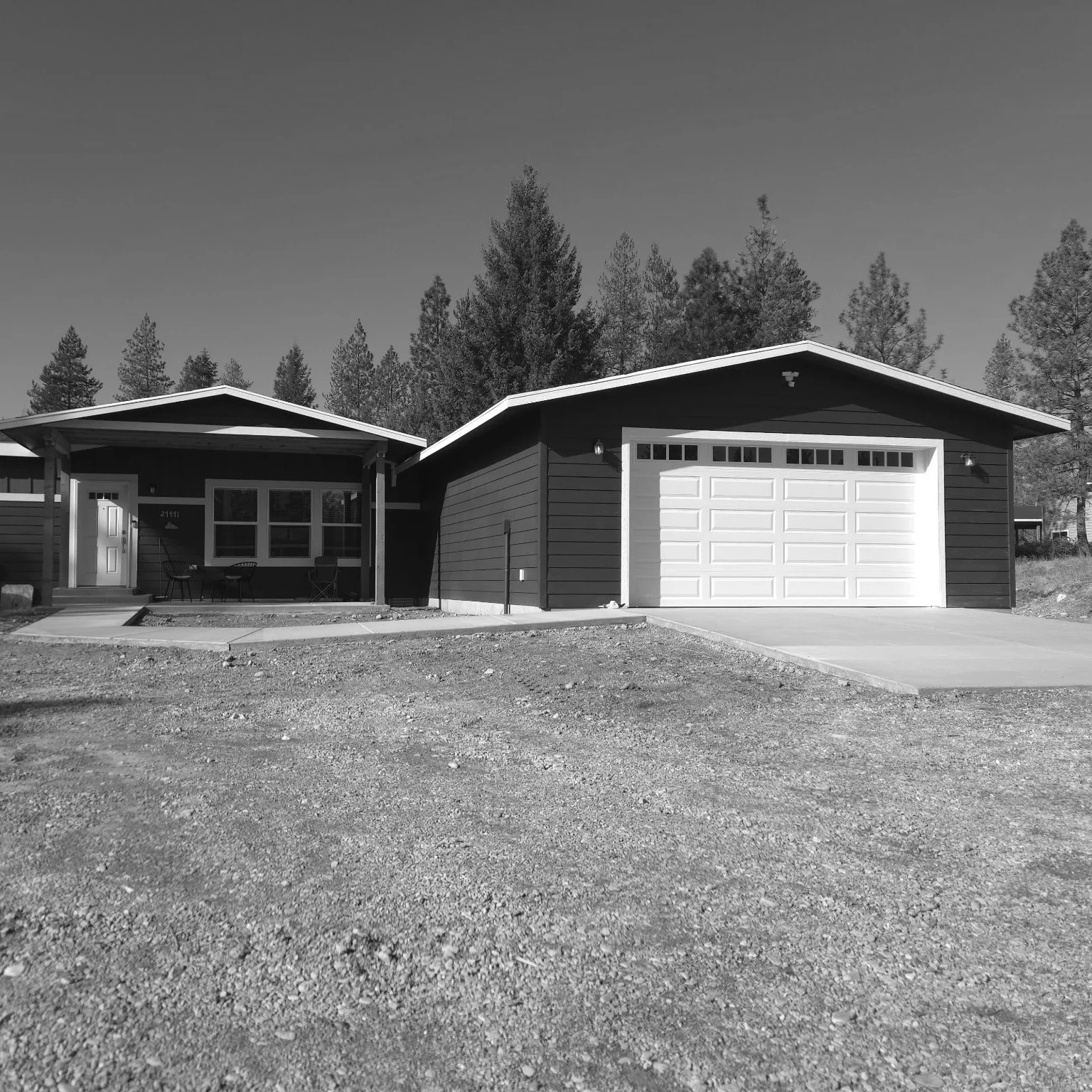
From Outdated to Market-Ready: The Final Reveal of Our Turnkey Home Renovation
From Outdated to Market-Ready: The Final Reveal of Our Turnkey Home Renovation
There’s something especially satisfying about seeing a renovation finally come together.
For the past several weeks, we’ve been sharing our Turnkey Renovation Series, walking through the process of taking a home that needed some serious attention and transforming it into a finished, market-ready property.
Today, that project is officially complete — and it’s going on the market.
So, for the final installment in our series, we thought we’d step back from the individual projects and show you what all of that work looks like when it comes together.
From a House That Needed Work to a Home Ready for Its Next Owner
A turnkey renovation is about more than making a house look good.
The goal is to create a home that feels finished, functional, cohesive and ready for someone to move in without immediately creating a list of projects they need to tackle.
That means looking at the big picture.
Throughout this renovation, we addressed the types of updates that can make a major difference in how a home looks, feels and functions — from the larger renovation work down to the finishing details.
Each individual improvement matters, but the real transformation happens when everything is finished at the same time and works together.
That’s what we mean by turnkey.
The Finished Home
One of the best ways to appreciate the transformation is simply to see it.
We put together a quick one-minute video tour so you can get a look at the finished renovation and see how all of the pieces came together.
Watch the 1-minute tour:
[EMBED YOUTUBE VIDEO HERE]
If you're viewing this on our website, the video gives you a quick walk-through of the finished home and a better feel for the overall transformation than photographs alone can provide.
Why We Took This Approach
When renovating a home for resale, it's easy to focus too heavily on individual upgrades.
But a successful renovation isn't necessarily about putting the most expensive material in every room or making every design decision as dramatic as possible.
It's about making smart improvements that appeal to today's buyers while creating a home that feels intentional from one room to the next.
For this project, that meant focusing on quality workmanship, updated finishes, functionality and a cohesive overall look.
The result is a home where the next owner can walk in, unpack their belongings and enjoy the space — rather than immediately wondering what needs to be fixed or remodeled next.
The Difference a Complete Renovation Makes
We've talked throughout this series about individual aspects of the renovation, but the finished project really demonstrates why a comprehensive approach can make such a difference.
A new finish here.
An updated room there.
Better functionality in another area.
Individually, those projects improve a home.
Together, they can completely change the way the home feels.
And that's one of the things we enjoy most about remodeling — taking something that feels dated, worn or unfinished and giving it a completely different future.
And Now It's Ready for Its Next Chapter
After all the planning, demolition, construction, finishing work and those inevitable little surprises that come with remodeling an existing home, this project has officially reached the finish line.
It's done.
It's cleaned up.
It's ready for the market.
And most importantly, it's ready for someone to call it home.
We're excited to finally see this one leave the jobsite and make its way onto the market.
Thank You for Following the Series
This project has been a fun one to document, and we hope our Turnkey Renovation Series has given you a better look at what actually goes into transforming a home from outdated to move-in ready.
If you're considering selling a home that needs work, purchasing a home that needs updating, or you're simply wondering what could be done with the home you already own, we'd be happy to talk through the possibilities.
At Mr. Clean Fix, we don't just look at what's there. We look at what it could become.
And this one is officially ready for its next owner.
Why Good Pre-Sale Work Takes Longer Than Expected — And Why That's Actually a Good Sign
If you've been following along with our Turnkey Transformation series, you know we expected this project to be wrapped up by now.
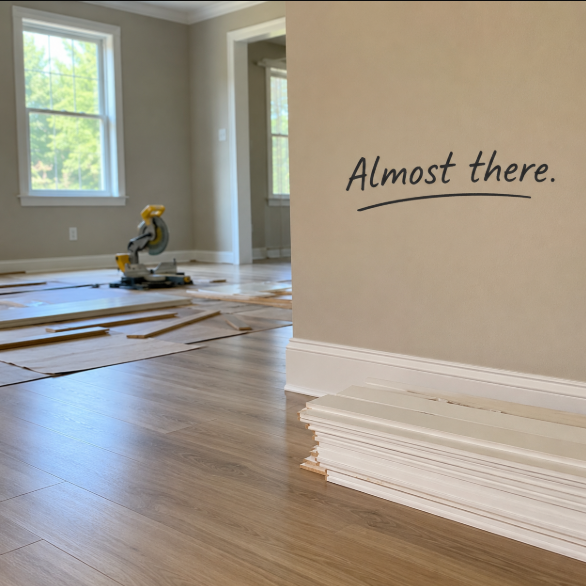
As often happens during renovation work, the homeowner decided to add a few more improvements once they saw the progress. That's one of the biggest advantages of working room by room—it's easier to spot opportunities that will make the home even more appealing to future buyers.
This week, the new flooring is complete and we're about 75% finished installing new baseboards throughout the home. Every improvement adds another layer of value, but it also reinforces an important lesson that applies to almost every home being prepared for sale.
The Best Projects Rarely Go Exactly According to Schedule
Television renovation shows make remodeling look predictable. In reality, every home has its own surprises, changing priorities, and decisions that happen along the way.
Sometimes homeowners choose to:
Upgrade additional finishes.
Replace trim that wasn't originally planned.
Add repairs after seeing how much cleaner and newer the home is becoming.
Those decisions can add a little time to the schedule, but they often produce a much better finished product.
Rushing Can Cost More Than Waiting
When a home is being prepared for the market, there's often pressure to finish as quickly as possible.
The problem is that rushed work usually shows.
Uneven trim, skipped repairs, mismatched flooring transitions, and unfinished details are exactly the kinds of things buyers notice during showings. They may not know why a house feels unfinished—but they know when it does.
Taking an extra week to finish the details is almost always a better investment than trying to save a few days.
Details Matter
Fresh flooring makes a huge difference, but it's the finishing touches that make a home feel complete.
Clean baseboards, consistent trim, repaired walls, fresh paint, and quality installation all work together to create the impression that the home has been well cared for.
Those details help buyers focus on the home—not on a list of repairs they'll need to make after closing.
One More Week...
We're in the home stretch now.
The flooring is finished, the trim is coming together, and we're excited to show you the completed transformation very soon.
Sometimes the best projects take a little longer than expected—and we're perfectly okay with that if it means delivering quality work our customers can be proud of.
Stay tuned next week as we share the finished results of this Turnkey Transformation!

Turnkey Isn’t Always Turnkey: What “Ready to Sell” Actually Means
Most people hear “turnkey” and think: quick clean-up, maybe a little paint, list it, done.
In reality… that’s rarely how it goes once we actually walk the property.
Turnkey sounds simple until you’re standing in the house looking at it through a buyer’s eyes.
That’s usually where it shifts into what we call a lite reno for resale—small, targeted fixes that don’t sound like much on paper, but change everything about how the home feels when you walk through it.
Because in real estate, “feeling ready” is what sells the house.
What homeowners think “turnkey” means
Most sellers picture something like:
Fresh paint
Clean floors
Quick touch-ups
Deep clean
List it and move on
And sometimes that’s true.
But most of the time, once you actually start walking the property, there’s more sitting there than people realize.
Not major remodel problems—just a lot of small things that stack up fast.
What we actually see when we walk a home
This is where things shift.
When we do a walkthrough, we’re not looking at it like homeowners do. We’re looking at it like buyers will.
And buyers don’t overlook much.
We’ve walked properties where the homeowner was focused on paint and cleaning, and the first thing a buyer notices is the fence line from the street.
Common things that show up:
Baseboards that are chipped, missing, or mismatched
Flooring transitions that feel unfinished or dated
Fence or exterior issues that hurt curb appeal immediately
Doors, trim, and finishes that don’t match the rest of the house
Small repairs that don’t seem like a big deal—but add up visually
None of this is dramatic on its own.
But together, it changes the story of the house.
And that story matters more than most people think.
The truth about buyer psychology
Buyers don’t walk into a home doing math on upgrades.
They’re asking one thing the whole time:
“Does this feel move-in ready… or am I inheriting projects?”
That one question drives almost everything else.
Because if it feels like a project, it doesn’t matter how minor the issues are—they start discounting the home mentally right away.
We see it all the time:
not big problems killing deals…
small ones stacking up and slowing everything down.
When “turnkey” becomes “lite reno”
This is the shift most homeowners don’t expect.
We’re not talking about gutting a house.
We’re talking about the stuff that quietly affects perception:
Baseboards that need replacing or finishing
Flooring install or correction where transitions feel rough
Fence or exterior fixes that hit curb appeal instantly
Cleanup work that makes the house feel consistent again
We don’t tell people to overbuild their home for resale.
We tell them what’s actually going to cost them money in negotiations.
In this current project
This job started as a “turnkey prep.”
After walking it more closely, it shifted into:
New baseboards
Flooring install
Fence repair
Nothing extreme. Nothing flashy.
Just the kind of work that takes a house from:
“almost ready” → “this feels solid walking through it.”
That gap is where buyers decide how they feel about your price.
The goal isn’t perfection—it’s confidence
We’re not trying to make homes feel brand new.
We’re trying to remove hesitation.
Because hesitation is what leads to:
lower offers
longer time on market
negotiation pressure after inspection
A clean, simple walkthrough changes that conversation fast.
Final thought
If you’re thinking about listing your home and it feels like it’s “close enough,” that’s usually the moment to get a second set of eyes on it.
Not to blow it up into a full remodel.
Just to figure out what a buyer is actually going to notice—and fix the things that matter before they get a chance to use them against you.
Because they will see it differently than you do.
Every time.

What We Notice When We Leave Town
Summer is busy. Jobs are moving. Schedules are full. Sometimes the best thing you can do for your home is step away from it for a few days.
We just got back from a trip over to Seattle, and one thing always stands out when we travel: every area has different styles, different trends, and different priorities when it comes to homes.
But the basics never change.
A well-maintained home feels cared for. Fresh paint catches your eye. Clean landscaping makes a difference. A solid deck becomes the place everyone gathers. Small repairs done on time prevent big headaches later.
It's easy to get used to the things you see every day. The loose gate. The faded trim. The deck board you've been meaning to replace for two years.
Sometimes seeing other neighborhoods reminds you of the potential sitting right outside your own front door.
As we move into the heart of summer, now is a great time to walk around your property with fresh eyes. Make a list. Tackle a project. Take care of the little things before they become expensive things.
That's what we do every day at Mr. Clean Fix.
And after seeing plenty of homes on the road, we're always happy to be back serving North Idaho.
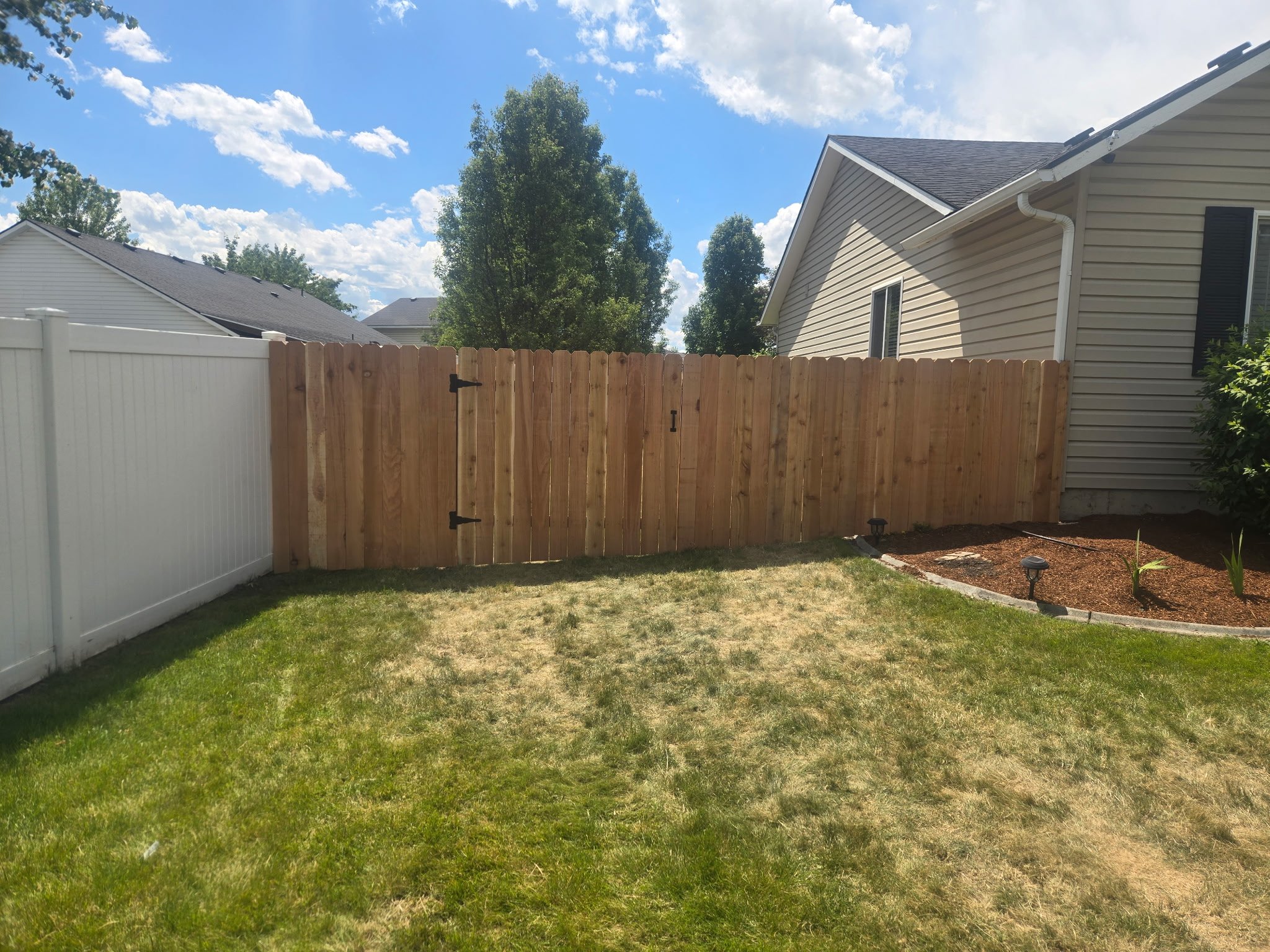
Summer Project Spotlight: Cedar Fence & Landscape Upgrade
This week we wrapped up a cedar fence and landscape improvement that completely transformed the curb appeal of this property.
The original space lacked definition and structure, and the yard didn’t reflect the home’s potential. We installed a new cedar fence to create clean boundaries, add privacy, and give the property a natural, warm finish that fits North Idaho homes well.
Cedar is one of our go-to materials for fencing because it holds up well in our climate, resists rot naturally, and looks better as it ages compared to many manufactured options.
Along with the fence, we refreshed the surrounding landscape to tie everything together visually. Small changes in layout and cleanup made a big difference in how the space feels when you approach the home.
Projects like this are a reminder that curb appeal isn’t just about looks—it’s about structure, function, and creating a space that feels maintained and intentional.
If your fence is leaning, rotting, or just outdated, replacing it can completely reset the feel of your property without needing a full yard overhaul.
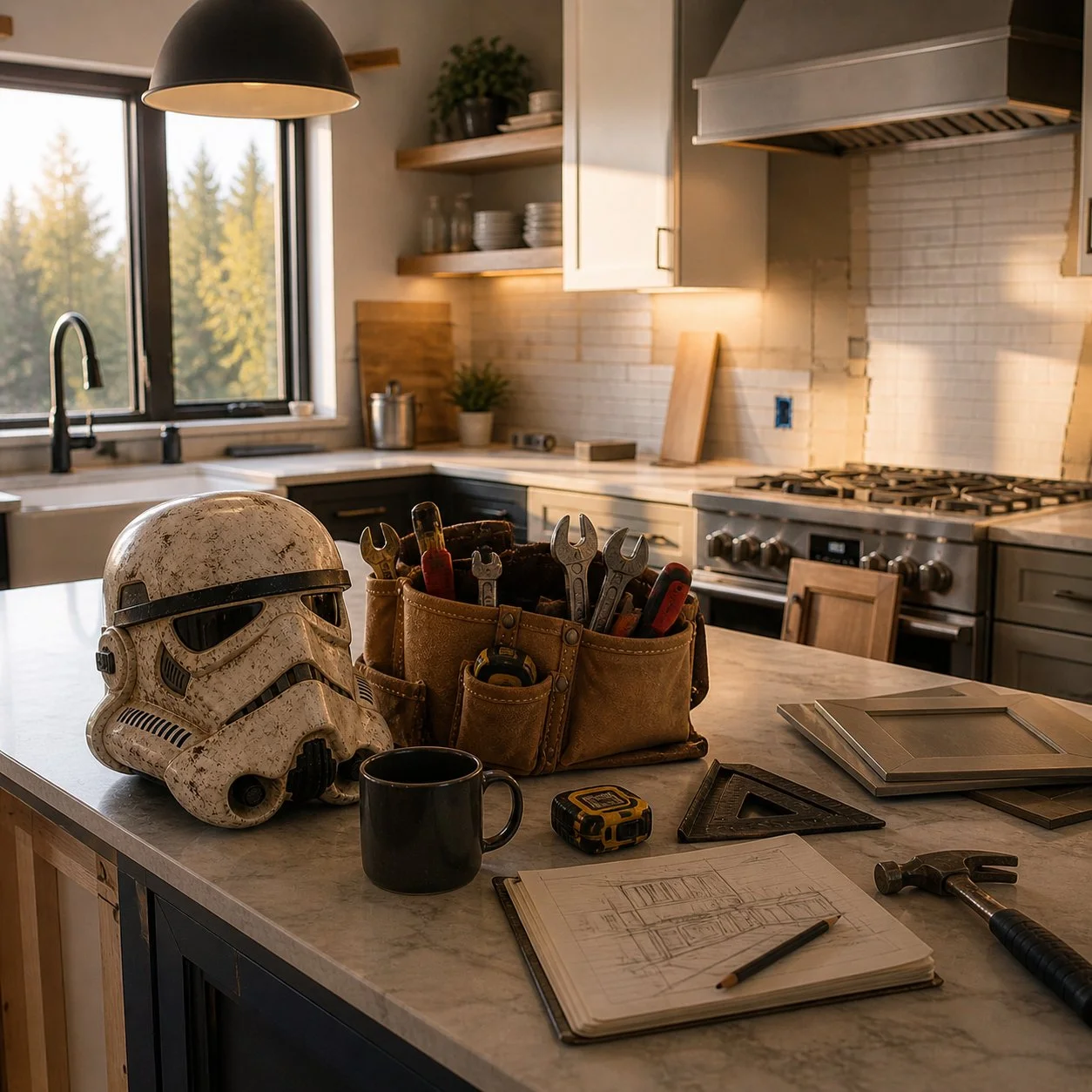
May the Force Be With Your Home This Spring
May the 4th be with you.
And with your to-do list.
Look — we're contractors, not Jedi. But after enough years in this industry we've started to notice some similarities. The force that holds a well-built home together isn't magic. It's the same thing that holds everything worth having together — attention, skill, and not cutting corners when nobody's watching.
So in honor of the day, here's what Star Wars taught us about home improvement. Whether you realize it or not.
The Dark Side of Deferred Maintenance
Every homeowner has a dark side.
It's the list. The one that lives on the fridge or in the back of your mind. The caulk that needs replacing. The deck that needs sealing. The paint that's been telling you something is wrong for two seasons.
The dark side whispers: it can wait.
And it can. For a while. Until it can't — and suddenly a $10 tube of caulk has become a $5,000 water damage repair. Rot behind the wall. Subfloor that didn't make it. Problems that were completely avoidable if someone had just made the call sooner.
Darth Vader didn't start out as the bad guy. He just made a series of small decisions that seemed reasonable at the time.
Don't let your home maintenance be Anakin Skywalker.
Use the Force — Read the Signs
The force, as Obi-Wan described it, surrounds us and binds us.
Your house is talking to you constantly. Most homeowners just aren't listening.
Doors that stick in winter but not summer — that's your house telling you about moisture and movement. Caulk that cracks every spring — that's your house telling you about temperature swings and age. A deck board that flexes a little more than it used to — that's your house telling you the substructure deserves a closer look.
You don't need to be a contractor to feel it.
You just have to pay attention.
That's the force. And it's more useful than ignoring it until something breaks.
Every Home Needs a Rebel Alliance
Even Luke needed help.
Han Solo. Leia. Chewie. R2. The whole crew.
A well-maintained home works the same way.
At Mr. Clean Fix we show up when we say we will. We tell you straight what needs doing now, what can wait, and what's going to get expensive if you keep ignoring it — even when that's not what you were hoping to hear.
We don't disappear mid-job. We don't pad the scope. We finish what we start.
Han shot first. We give you the honest answer first.
The Yoda Principle of Home Improvement
"Do or do not. There is no try."
Yoda said it. We believe it.
There's no "kind of" sealing a deck. No "mostly" flashing a roof. No "sort of" setting a fence post correctly.
Either the work is done right or it isn't. Either the prep happened or it didn't. Either the material was right for the application or it was the cheaper option that's going to cause problems in eighteen months.
We don't try to do good work. We do it.
Every time. On every job. Whether it's a $500 repair or a full exterior renovation.
Do or do not. There is no try.
A New Hope for Your Spring Project List
Here's the good news.
If your home has been crying out for attention through a long North Idaho winter — this is your new hope.
The weather is finally cooperating. The schedule still has room. And the projects that felt impossible to start in February are very possible right now.
Exterior paint. Decks. Fences. Patios. The bathroom that's been half-finished in your head for a year.
May the 4th is as good a day as any to make the call — before the schedule fills up, before the warm weather window closes, and before the small problems on your list get the chance to become expensive ones.
The empire of deferred maintenance doesn't have to win. But it will if you wait long enough.
The Mr. Clean Fix Take
We're not Jedi.
We don't use the force — we use experience, the right tools, and honesty. We'll tell you straight — even if it's not what you were hoping to hear. Better that conversation now than a bigger one later.
But if the force is real? It's probably just what happens when skilled people care about their work and don't cut corners.
May the 4th be with you.
And may your home finally get that project done.
📞 (208) 292-7204 | mrcleanfix.com

The Warm Weather Is Here. Your Exterior Projects Just Got a Green Light.
The Warm Weather Is Here. Your Exterior Projects Just Got a Green Light.
First real warm stretch of the year.
Mid-70s in the forecast and if you've lived in North Idaho long enough you know what that means — this is the window. The one where the ground is dry, the temps are right, and exterior work can actually happen the way it's supposed to.
We've been waiting for this too.
If you've had an exterior project sitting on the list through a long winter, now is the time to stop thinking about it and start making calls. Here's what's on our radar this season and why timing actually matters for each one.
Exterior Paint: This Is Exactly the Weather You Need
Exterior paint is one of those things that looks straightforward until you understand what it actually takes to do it right.
Temperature matters. Humidity matters. Surface prep matters more than either of those.
Paint applied in the wrong conditions — too cold, too damp, too much direct heat — fails faster than it should. It doesn't bond the way it's supposed to. And when exterior paint fails in North Idaho, it doesn't just look bad. It stops protecting the surface underneath, and that's when the real damage starts.
We were on a house recently where the south-facing wall was completely faded out while the rest of the exterior still held color. Caulk had pulled back just enough to let water find its way in over winter. That's not a cosmetic problem anymore — that's exposure. And it was a repaint job that turned into more because nobody caught it in time.
Mid-70s and dry? That's exactly the conditions every paint manufacturer writes their specs around.
If your exterior is telling that story — this is the season to rewrite it. Don't waste the window.
Fence Builds: Get It In Before Summer Fills the Schedule
A new fence is one of those projects that feels like it can wait — until it can't.
Property lines that need defining. Dogs that need containing. Privacy from neighbors that got a lot closer when the leaves came down last fall.
Whatever the reason, fence builds are one of the first things that books up when the weather turns. Post setting, concrete curing, material staging — all of it is more reliable when the ground isn't frozen and the temps are cooperative.
Most fence builds we do fall somewhere in the range of a few thousand dollars depending on material, length, and site conditions. Cedar runs more than treated lumber but lasts longer and looks better doing it. That conversation is worth having before the posts are set rather than after.
If a fence is on your list, now is when to move on it.
Decks: Build It Right and Build It Once
North Idaho decks take a beating.
Freeze-thaw cycles, UV exposure, moisture, snow load — the elements here work on exterior wood every single season without asking permission.
We see a lot of decks that were built to a price instead of built to last. Undersized framing. Wrong material for ground contact. Ledger connections that were never flashed properly. These things don't announce themselves on day one — they show up three or four winters later when you're looking at a repair that costs more than the original build.
The difference between doing it right and doing it cheap is usually a few thousand dollars — not double. And it's the difference between a deck that's still solid in ten years and one that's already asking questions in three.
We don't build things twice. If you're going to do it, do it once and do it right.
Concrete footings cure properly in this weather. Framing can be inspected and dried before any decking goes on. And you'll have the whole summer to actually use what you built.
Patios and Gazebos: The Outdoor Space You've Been Talking About
This is the one that usually lives on the list the longest.
The patio that's been gravel or bare dirt for two summers. The gazebo that got priced out last fall and pushed to spring. The outdoor living space that exists in your head but not yet in your backyard.
Spring is when these projects make the most sense to build — not because summer is too late, but because building now means you actually get to use it this season instead of watching it go up while summer disappears around you.
A well-built patio or gazebo extends how you use your property. It creates the outdoor living space that North Idaho summers are genuinely made for — the kind where you're outside until 9pm because the weather is perfect and the space actually invites it.
Concrete, pavers, composite decking for the platform. Cedar, steel, or engineered lumber for the structure. These decisions affect how long it lasts and how much maintenance it asks of you down the road. We'd rather talk through those choices up front than have you love something for two years and fight it for ten.
Why This Window Matters
Here's the honest contractor take on spring timing.
It's not just about weather. It's about schedule.
Right now there's still availability. A few weeks from now — when everyone else realizes the warm weather is here and starts making calls — that changes fast. The most in-demand crews book up quickly when the season turns and the backlog builds in a hurry.
If you've been waiting for the right time to move on an exterior project, this forecast is about as clear a signal as you're going to get.
The Mr. Clean Fix Take
We've been doing exterior work in North Idaho long enough to know this stretch doesn't last forever.
Summer fills up. Fall comes faster than anyone expects. And the projects that didn't get started in spring end up on next year's list — again.
If you've got a fence, a deck, a patio, a gazebo, or an exterior paint job that's been waiting — call or message us this week. We'll come take a look and tell you straight whether it makes sense to move now or not.
We're not the cheapest option out there. That's usually why our work is still standing when cheaper jobs aren't.
The best time to start was last fall.
The second best time is right now.

It Always Seems Impossible Until It's Done.
Some months you put your head down and just get through them.
March was that month for us.
We lost a key team member to an unexpected injury mid-month. Two projects were already underway — a bathroom that grew in scope mid-project, and an RV carport with a location that rejected every solution we brought to it.
We're telling you this not because it's a great story — though it is — but because of what it means for you as a homeowner thinking about hiring someone for a project that matters.
When the Plan Stops Working
The RV carport is the one that tested us most.
The location made access nearly impossible. Every piece of equipment we brought in got turned away by the site itself — wrong size, wrong reach, no room to operate. We worked through every reasonable option before we finally brought in a commercial boom lift to get it done.
That's the part of construction that never makes it into before and after photos.
The moment where the straightforward solution doesn't work. Where the backup plan doesn't work either. Where you're standing on a job site that has said no to everything you've tried — and you have to decide what comes next.
We don't walk away from those moments. We go find the next solution.
The carport finished Friday. It's done right and it's not going anywhere.
Resourcefulness Isn't a Skill. It's a Decision.
Every job has a moment where the original plan stops working.
Equipment doesn't fit. Scope changes mid-project. Something nobody could have predicted shows up and the schedule has to bend around it.
The difference between a job that gets finished right and one that doesn't isn't just experience.
It's the decision to keep solving the problem instead of deciding it can't be solved.
Most homeowners never see this part of the job. They see the finished product. But what you're really hiring when you bring on a contractor is how they handle the moment when things get hard.
We kept adapting on that carport until we found what worked. That's not exceptional — that's just the standard we hold ourselves to.
What Happens When a Team Member Goes Down
When you lose a key team member to an unexpected injury mid-project, you have two choices.
You can let it stall everything. Or you can adjust and keep moving.
We adjusted. Redistributed the workload. Made sure progress didn't stop.
That kind of reliability doesn't show up on a contractor's website — but it shows up on your timeline.
The bathroom is 50% done and on track. That's what matters.
Why We're Telling You This
We could post the finished carport photo and call it a win. Leave out the month it took to get there.
But we think honesty about the hard stuff is more useful to you than a highlight reel.
Because when you hire a contractor, you're not just hiring someone for the easy days. You're hiring someone for the day the plan falls apart — and what they do next.
We don't quit on jobs. We don't walk away from problems because they got complicated. We find the solution that works even when it takes longer than expected and costs more in equipment rentals than we planned.
That's not something we decided this month. That's just how we operate.
The Mr. Clean Fix Take
March was hard. April is better.
The carport is done. The bathroom is moving. The team is still standing.
If you've got a project that feels complicated — awkward location, changed scope, details that might make it harder than average — that's exactly the kind of job we're built for.
Bring us the hard one.
We'll figure it out. We always do.
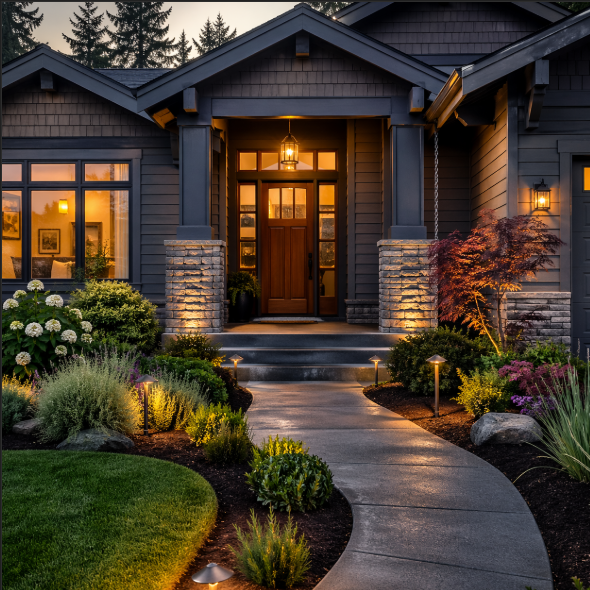
Curb Appeal Boosters: First Impressions That Last
Curb Appeal Boosters: First Impressions That Last
Most homeowners pour money into the inside of their house — new kitchen, updated bathrooms, fresh flooring.
Then they pull into the driveway and wonder why it still looks tired.
The outside is where the first impression lives. It's what a buyer sees before they step out of the car — and what you come home to every single day.
In North Idaho, where winters are hard on paint, wood, and everything exposed to the elements, the exterior takes a beating that sneaks up on people. One season it looks fine. The next they're standing in the driveway wondering when it started looking like that.
The good news: most curb appeal problems don't require a massive project. They require the right attention in the right places.
Here's where that attention actually belongs.
Start With the Front Door
If there's one place to put money first, it's here.
The front door is where every visitor's eye lands. It's the focal point of the entire front of the house. And it's one of the most underinvested surfaces on most homes we walk up to.
A fresh coat of paint in a color that actually has personality. New hardware — handle, deadbolt, kickplate — in a finish that feels intentional. A door that closes solidly and looks like it belongs on the house.
We've repainted front doors and had homeowners tell us the whole house looked new. That's not an exaggeration. A quality front door repaint runs a few hundred dollars. The visual return is immediate and disproportionate to the cost.
If yours is faded, dated, or just forgettable — start here.
Exterior Paint and Siding: When It's Time, It's Time
North Idaho weather doesn't negotiate with exterior paint.
UV exposure, freeze-thaw cycles, moisture — they work on unprotected surfaces every single season without asking permission.
We've walked up to homes where the siding looked passable from the street. Get within ten feet and the paint is cracking, the caulk is failing, and moisture has already started finding its way in. At that point curb appeal is the least of the problem — you're looking at rot, water intrusion, and a repair bill that makes the paint job look cheap by comparison.
The signs it's time: uneven fading, peeling at trim lines, caulk that's cracking and pulling away. Any one of those means the clock is already running.
Exterior paint done right — properly prepped, properly primed, right product for this climate — doesn't just improve how the house looks. It's a layer of protection that extends the life of everything underneath it. Budget a few thousand for a quality exterior repaint and it's one of the highest return investments a homeowner can make.
Landscaping: What We Actually See Out Here
This is the one area where homeowners either overthink it or completely ignore it.
You don't need a landscape architect. But you do need to address what we walk past constantly on North Idaho properties — overgrown shrubs that have crept past window level, pine needle buildup sitting against the foundation, landscaping beds that haven't been edged since the house was built, and the occasional tree that's grown close enough to the roofline to cause real problems.
People don't see the individual problems. They just feel one thing — neglected.
The fix is almost always simpler than people think. Cut back what's overgrown. Edge the beds. Clear pine needles away from the foundation where moisture sits. Add fresh bark or rock. Put something with color near the entry.
A weekend of work and a few hundred dollars changes the entire feel of the front of a house. We see it every time.
Concrete and Walkways: The Detail Nobody Thinks About
Here's one we see constantly.
A home with a solid exterior, decent landscaping, good front door — and a cracked, heaved, or stained concrete walkway leading up to it.
The walkway is the path every visitor takes to reach your door. When it's cracked or uneven it's a liability and a first impression problem at the same time. And it undercuts everything else even if nobody consciously registers why the approach feels off.
Depending on condition — repair, resurfacing, or full replacement. Pavers as an upgrade that adds real character. Even pressure washing an existing walkway before deciding it needs replacing — sometimes that's the whole fix for a few hundred dollars.
The path to your front door should feel intentional. Not like something nobody got around to.
Lighting: What the House Looks Like After Dark
Most people think about curb appeal in daylight. They forget the house exists after 5pm.
In North Idaho that matters more than most places. It gets dark early for a solid chunk of the year. Exterior lighting done right — path lighting to the entry, soffit or eave lighting on the front elevation, a house number that's actually visible from the street — changes the entire character of a home after dark.
Poorly placed fixtures, builder-grade lights nobody has touched since the house was built, or nothing outside a single porch bulb — these make a house disappear at night.
Your home should look as good at 7pm in January as it does on a July afternoon. That's a fixable problem most people skip entirely.
The Small Details That Do Big Work
Gutters that are clean, straight, and not pulling away from the fascia. Trim that's caulked and painted cleanly. House numbers that are visible and have some personality. A mailbox that doesn't look like it survived a decade of neglect.
None of these are expensive. None of them are complicated.
All of them get noticed — even when nobody can say exactly why the house looks sharp. They just feel it.
That's how curb appeal works. It's not one dramatic change. It's a collection of details that add up to a feeling. And that feeling is either working for you or against you every single day.
The Mr. Clean Fix Take
First impressions don't get a second chance. That's true for people and it's true for houses.
We've walked up to homes that were beautiful inside — genuinely updated and well maintained — sitting behind an exterior that told a completely different story. And we've seen modest homes that stopped people because someone paid attention to the right details outside.
The outside of your home is saying something to everyone who drives past, walks up, or pulls into your driveway. The question is whether it's saying what you want it to.
If your exterior has been sitting on the list, reach out and we'll set up a time to take a look with you — show you where the right investment is, where it isn't, and what's actually going to move the needle versus what can wait.
Because curb appeal isn't about impressing strangers.
It's about a home that looks as good on the outside as it actually is.

Do You Actually Need an Island?
Because More Cabinets Doesn’t Always Mean a Better Kitchen
Kitchen islands are one of the most requested features we get.
Everyone wants one.
And sometimes… they absolutely should have one.
But a lot of times?
It’s the wrong move for the space—and nobody says it out loud.
The Island Obsession (and Where It Goes Wrong)
We’ve walked into a lot of kitchens where an island was clearly added because it felt like the thing to do.
Not because the layout actually supported it.
What you end up with:
Tight walkways
Appliances that can’t fully open
Two people trying to cook and constantly bumping into each other
It looks good in photos.
It doesn’t work in real life.
The Clearance Rule Nobody Talks About
Here’s where most island plans fall apart:
You need space around it.
Not “just enough to squeeze by.”
Actual working room.
General rule:
36 inches minimum (and that’s tight)
42–48 inches is where it actually starts to feel right
Anything less and your kitchen starts feeling cramped fast—especially once cabinets, handles, and appliances come into play.
If adding an island means shrinking your walkways below that, it’s probably not worth it.
Function First — Not Just a Flat Surface
Before adding an island, ask:
What is it actually doing?
Because “extra counter space” sounds good… but it’s vague.
A good island usually has a clear purpose:
Prep space near the sink or stove
Seating that actually gets used
Storage that replaces something missing elsewhere
A place to gather without blocking the work area
If it’s just sitting there in the middle of the room with no real job, it turns into a traffic problem more than an upgrade.
When an Island Does Make Sense
There are plenty of kitchens where an island is the right call.
Usually when:
The kitchen is open and has room to support it
You need separation between kitchen and living space
You want seating without a separate dining setup
The layout allows for clean workflow between sink, stove, and fridge
In those cases, an island can be one of the best features in the house.
When It’s the Wrong Move
We talk people out of islands more than you’d think.
Biggest red flags:
Narrow kitchens where space is already tight
Layouts where appliances end up fighting each other
Walkways that drop below comfortable spacing
Islands that block natural movement through the space
Sometimes removing the idea of an island actually makes the kitchen feel bigger, not smaller.
Better Alternatives Most People Don’t Consider
If an island doesn’t work, you’re not out of options.
Some better fits depending on the space:
Peninsula layouts (attached counter that still gives seating)
Extended countertops with overhang for stools
Built-in storage walls instead of crowding the center
Mobile islands if you want flexibility without committing
A lot of these end up being more functional than forcing an island into a space that can’t handle it.
The Mr. Clean Fix Take
Not every kitchen needs an island.
And forcing one in just because it’s popular usually makes the space worse, not better.
A good kitchen isn’t about checking boxes—it’s about how it actually works when you’re in it.
If there’s room, and it has a purpose, an island can be a great addition.
If not, there are better ways to use the space.
Most kitchens we walk into don’t have the wrong features.
They just have the wrong layout.
If you want to run your kitchen layout by us before making changes, we’re always happy to take a look.
Because it’s a lot easier to plan it right than fix it later.
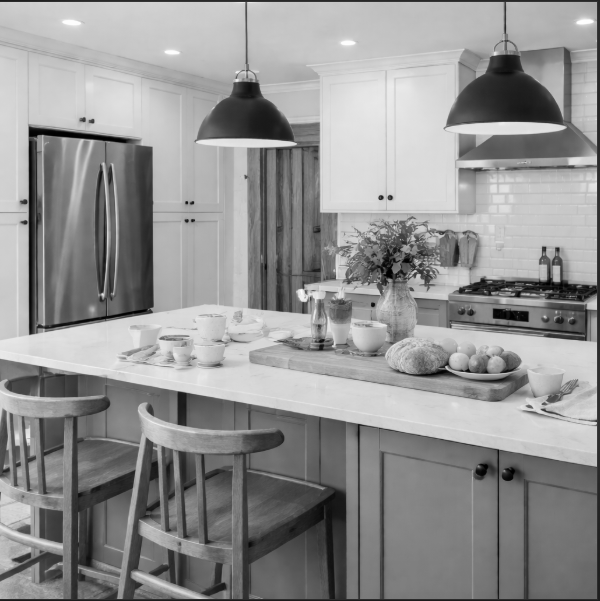
5 Kitchen Layout Mistakes We See All the Time
Kitchen Reality Check — Part 2 of 3
This is Part 2 of our Kitchen Reality Check series — three blogs breaking down what actually makes a kitchen work, from a contractor who's seen the good, the bad, and the "why did anyone think that was a good idea."
We walk into a lot of kitchens.
Some are beautiful. Some are functional. Some are both.
And then there are the ones where you open the dishwasher and can't get to the sink. Where the fridge is marooned at the end of a counter with nowhere to set anything down. Where one overhead light casts a shadow directly onto the one place you're trying to work.
These aren't rare. They're not one-offs. They're the same five mistakes — over and over — in kitchens all across North Idaho, from older homes to brand-new remodels that were finished just a few years ago.
Here they are — and more importantly, why they happen and how to avoid them.
Mistake #1: The Fridge in the Wild
You know this one when you see it.
The refrigerator shoved to the end of a cabinet run with zero counter space on the handle side. No landing zone. No place to set anything down.
So every time someone opens that fridge and pulls out groceries — raw chicken, a gallon of milk, whatever — they're turning around, dripping, hunting for a surface that isn't there.
This isn't a budget problem. It's not a space problem.
It's a two-foot planning mistake that affects daily life forever.
Counter space on the handle side of the fridge isn't optional. It's how kitchens are supposed to work. When that gets skipped — usually to squeeze in one more cabinet — you feel it every single day.
Mistake #2: The Walkway That Became a Traffic Jam
This one shows up constantly in remodels where someone really wanted an island.
The island goes in. It looks great. And then you realize the walkway on one side is 32 inches wide.
Thirty-two inches sounds fine until the dishwasher is open. Or two people are cooking at the same time. Or someone is trying to get to the pantry while another person is standing at the stove.
Now you've got shoulder bumping, blocked paths, and a kitchen that fights you at exactly the moment you need it to cooperate.
Here's what makes this particularly frustrating in North Idaho: the space is usually there. Most of these homes have room to do it right. The mistake isn't square footage — it's forcing a Pinterest layout into a kitchen that needed something different.
Minimum 42 inches in a working aisle. 48 if two people cook together regularly. That's not a luxury. That's just math.
Mistake #3: The Dishwasher Door Trap
This one is so specific it almost feels personal.
A dishwasher placed so that when the door drops open it either blocks the sink, pins someone against the island, or swings directly into the main walkway.
The result: you literally cannot load dishes while another person is at the sink. You can't have the dishwasher open and move freely through the kitchen at the same time.
We've literally seen it where someone has to step back and just wait to rinse a plate because the dishwasher door is down. Every single day. In a kitchen that was supposedly designed.
It sounds like a small thing. It isn't.
You load that dishwasher every single day. And every single day it's going to remind you that nobody thought this through.
The worst part? This one almost never gets caught until install day. By then the plumbing is roughed in and moving it is a whole different conversation. This is exactly why layout decisions need to happen on paper — not on the jobsite.
Mistake #4: The Corner Cabinet Black Hole
Somewhere in almost every kitchen there's a corner cabinet that became a graveyard.
The opening is too small for what's behind it. The lazy Susan spins but nothing useful actually comes out. Half the cabinet hasn't been touched in three years because whatever's in there requires a minor excavation to retrieve.
That corner had options. Blind corner pull-outs. Deep drawers. Even intentional dead space used smarter.
Instead it got a lazy Susan that isn't lazy — and definitely isn't useful.
Corner storage is one of the most solvable problems in kitchen design. It just requires someone to actually think about it instead of defaulting to whatever's easiest to order.
Mistake #5: Lighting That Pretends to Be Enough
One overhead fixture in the center of the ceiling.
That's it. That's the whole lighting plan.
Here's the problem: the moment you stand at the counter to prep food, your body blocks that light. You're working in your own shadow. Every single time.
No under-cabinet lighting. No task lighting over the sink. Just one light behind you pretending to illuminate a whole kitchen.
This one stings a little more in North Idaho because our winters are dark. Long dark mornings, early dark evenings — your kitchen lighting isn't just a design choice, it's a quality of life choice for about five months of the year.
And here's the thing that makes this mistake so avoidable: lighting is cheap compared to everything else in a kitchen remodel. Cabinets, countertops, appliances — those are where the budget goes. Under-cabinet lighting is a fraction of that cost and it completely changes how the kitchen feels and functions.
There's no good reason to skip it.
The Bonus Mistake Nobody Talks About: The Microwave in No-Man's Land
Mounted too high for anyone under six feet to use safely. Shoved in a corner nowhere near where food is actually prepped. Tucked above the stove where you're reaching over hot burners to pull out a bowl of something hot.
The microwave gets treated like an afterthought in almost every kitchen we walk into.
It shouldn't be. Most people use it multiple times a day. It deserves a real spot in the layout — at counter height, near the prep zone, accessible without a circus act.
The Common Thread
Every single one of these mistakes has the same root cause.
Someone made a decision that looked fine on paper — or looked good in a showroom — without thinking through how a real family actually uses a kitchen on a real Tuesday night.
That's the whole game. Not what looks good. What works.
Next time you're in your kitchen, open the dishwasher. Check the fridge landing zone. Stand at the counter and notice where the light actually falls.
Your kitchen will tell you exactly where the planning stopped — you just have to look at how it fights you.
Next up — the final installment of Kitchen Reality Check: "Do You Actually Need an Island?" We're settling this one for good. Publishing next Friday.

Project Spotlight: It Started With a Cat Window — A Year Later, The Whole Front of the House Is Done
It started with one oversized picture window — and a couple of cats who refused to leave that sunny spot.
We installed it last spring, featured it in a blog, and moved on to the next job. Good project. Happy homeowners. Done.
Except it wasn't done.
Fast forward almost exactly one year. The homeowners came back. Turns out that one window changed how the whole front of the house looked — and now the other seven were impossible to ignore.
That's how one good project turns into a relationship. And honestly? It's one of our favorite things about this work.
Seven Custom Windows — Inside and Out
These weren't stock windows pulled off a shelf. Custom ordered, built to fit, and finished to match the character of the home on both sides of the wall.
Exterior work included installing all seven units and painting the trim clean and sharp. Simple in description. Not always simple in execution — especially when the homes here in North Idaho have weathered a few seasons and the trim tells that story.
Inside was where it got more detailed. The existing trim was wood that needed staining — not painting. Stain is unforgiving. It shows every flaw, every rushed moment, every shortcut. You don't fake your way through a good stain job.
We took our time. The finished product shows it.
One Window Came In Defective. Here's What We Did.
This is the part of the job that didn't go according to plan.
One of the seven windows arrived defective. It wasn't visible at pickup — those things rarely are until you're mid-install and the light catches it just right. The moment we identified it, we got a warranty claim moving and a replacement shipped.
The other six were completed in mid-March.
The seventh — the right one — went in this past Saturday.
This is where timelines slip and shortcuts happen for some crews. We don't do either. The homeowner deserved a complete, correct job. So we communicated, we waited, and we finished it right.
Every window. Done correctly. That's not extra — that's just the standard.
The Guest Room: Four Colors, Chair Rail, Wainscoting, and Oil-Based Paint
While the windows were underway the homeowners had one more ask — the guest room needed painting.
This room had a chair rail and wainscoting, which meant four distinct colors had to work together across different surfaces without looking like a mistake.
Then we found out the paint was oil-based.
Oil-based means longer dry times, more coats, and a slower process overall — but the finish is worth it when it's done right. You don't rush it. You don't cut corners on dry time. You just do the work.
The result is a guest room with clean transitions at every line, the wainscoting and chair rail landing exactly where they should, and four colors that feel intentional instead of chaotic.
The homeowners were thrilled. That's the part that makes the extra hours worth it every time.
One Year. Two Projects. One Home That's Finally Done Right.
A single picture window last spring. Seven more this spring. A guest room that finally got the attention it deserved. A defective window handled without drama and finished without shortcuts.
That's what a real contractor relationship looks like over time.
We don't show up, do a job, and disappear. We come back. We finish things right. And we're still here when the next project is ready.
If you're looking at your front windows right now thinking "it's probably time" — you're probably right. We're happy to walk it with you.
Because when it's done right the first time, it's never the last project.

The Kitchen Triangle Is Dead. Here's What Actually Matters Now.
Kitchen Reality Check — Part 1 of 3
This is Part 1 of our Kitchen Reality Check series — three blogs breaking down what actually makes a kitchen work, from a contractor who's seen the good, the bad, and the "why did anyone think that was a good idea."
For decades, kitchen design lived and died by one rule.
The kitchen triangle — the invisible line connecting your sink, stove, and refrigerator — was supposed to be the golden formula for a functional kitchen. Keep those three points close, keep traffic out, boom. Efficient kitchen.
It made sense. In 1948.
The problem? Nobody told your kitchen it was living in 2026.
At Mr. Clean Fix, we've remodeled a lot of kitchens across North Idaho. And we can tell you firsthand — the triangle isn't what's making people's kitchens fail. It's that nobody designed them around how the family actually lives in them.
That's the real conversation. So let's have it.
Why the Triangle Stopped Working
The triangle was built for one cook, one task, one small closed-off room. That was the kitchen of mid-century America.
Today's kitchens are open. They're loud. They've got two people cooking, a kid doing homework, someone digging through the fridge, and a dog parked right where you need to stand — all at the same time.
A three-point triangle doesn't solve any of that. Not even close.
What Actually Works: Zones
Around here in North Idaho, most kitchens we walk into were built for a different era and a different family. When zones are laid out right, everything just works. When they're not — you feel it every single night.
A zone is a dedicated area for a specific task. Here's what a well-designed kitchen actually looks like:
The Prep Zone — Where the real work happens. Counter space, cutting board, easy access to tools, close to the sink. If you're walking across the kitchen every time you need to rinse something, this zone is broken.
The Cooking Zone — Your range and everything that belongs with it. Spices, oils, pots and pans within arm's reach. Not across the room. Not in a lower cabinet you have to dig through while something's boiling over.
The Cleanup Zone — Sink and dishwasher. These two should always be next to each other. Always. We still walk into kitchens where they're separated and wonder what the original designer was thinking.
The Consumables Zone — Fridge and pantry. Ideally accessible from the edge of the kitchen so someone can grab a snack without walking through the middle of everything and derailing whoever's cooking.
The Non-Cook Zone — This one's underrated and most kitchens don't have it. A spot where people can hang out, help with homework, pour a drink — without being in the way. A well-placed island with seating usually handles this. A poorly placed one makes it worse.
Let's Talk Islands — Honestly
Almost every kitchen remodel conversation gets to the island eventually. And we love islands. But only when they actually make sense.
We've also seen plenty that had no business being where they were — crammed into spaces too small, blocking traffic, creating a pinch point that makes the kitchen harder to use than before. That's not an upgrade. That's an obstacle with a countertop.
Before committing to an island, answer these honestly:
Is there at least 42 inches of clearance on every side? 48 is better.
Does it add real counter space and storage — or just eat up floor space?
Does it create that non-cook zone, or does it just push everyone into the same tight path?
If it doesn't improve how you actually move through the kitchen on a busy Tuesday night, it's not worth it.
Most "Storage Problems" Aren't Storage Problems
This comes up constantly. Homeowners feel like they don't have enough storage — so they want more cabinets, more drawers, more pull-outs.
Sometimes that's true. But more often? It's a layout problem wearing a storage costume.
Your pots live across the kitchen from your stove. Your spices are in a cabinet behind you while you're cooking. Your prep area is nowhere near your most-used tools. That's not a storage issue — that's everything living in the wrong place.
Fix the layout first. Then see how much storage you actually still need.
The Honest Contractor Take
No formula replaces a real conversation about how you actually cook and live.
Before we ever talk cabinets or countertops or finishes, we want to know: what drives you crazy about your kitchen right now? Where does it break down? What works?
Those answers tell us more about the right design than any rule ever will.
Because a kitchen that looks incredible in photos but fights you every night isn't a win. A kitchen that just works — for your family, your routine, your real life — that's the goal.
If it doesn't work on a busy Tuesday night, it's not a good kitchen. Period.
That's what we design for. Every time.
Next up in the Kitchen Reality Check series: the 5 kitchen layout mistakes we see over and over in North Idaho homes — and how to avoid every single one of them. Publishing next Friday.

Open Concept vs. Defined Spaces: What’s Right for Today’s Homes?
For years, open concept living has dominated home design. Walls came down, kitchens flowed into living rooms, and entertaining became easier than ever. But recently, homeowners have started reconsidering the idea that bigger and more open is always better.
Now we’re seeing a shift toward defined spaces—rooms with clearer purpose, better sound separation, and more privacy.
So which one is right for your home?
The answer isn’t one-size-fits-all. It depends on how you live in your space. The good news? Mr. Clean Fix can help homeowners move in either direction, whether that means opening things up or creating more functional separation.
Let’s take a look at both styles.
The Appeal of Open Concept Living
Open concept homes remove walls between major living areas, typically connecting the kitchen, dining room, and living room into one large shared space.
Why homeowners love it
• Better for entertaining – Everyone stays connected during gatherings.
• More natural light – Light travels through the entire space instead of being blocked by walls.
• Feels larger – Even modest homes feel bigger when sightlines open up.
• Modern look – Clean lines and spacious layouts still appeal to many buyers.
For families who enjoy hosting, cooking together, or keeping an eye on kids while working in the kitchen, open layouts can make daily life feel more connected.
How Mr. Clean Fix helps
If you're considering opening up your home, we can help with:
• Non-load-bearing wall removal
• Structural modifications when load-bearing walls are involved
• Kitchen remodels that integrate into living areas
• Flooring continuity throughout the open space
• Lighting upgrades to match the new layout
Opening a space properly requires planning, structural knowledge, and finishing work that makes the change feel seamless—and that’s exactly where our experience comes in.
The Return of Defined Spaces
While open concept homes are still popular, many homeowners are rediscovering the value of separate rooms.
After years of remote work, online school, and busy households, people are realizing that sometimes walls are actually useful.
Why defined spaces are making a comeback
• Noise control – Separate rooms reduce distractions.
• Work-from-home privacy – Dedicated offices are easier to focus in.
• Energy efficiency – Smaller rooms are easier to heat and cool.
• More design personality – Each room can have its own character.
Defined spaces can make a home feel more organized and functional, especially for families who need different areas for work, relaxation, and entertainment.
How Mr. Clean Fix can help
If your home feels too open, we can help create structure with:
• Framing new interior walls
• Adding offices, reading rooms, or flex spaces
• Installing sliding barn doors or pocket doors
• Creating mudrooms or entry partitions
• Custom trim and finish work to match your home's style
Sometimes even small layout changes can dramatically improve how a home functions.
Finding the Right Balance
Many modern homes are finding a middle ground between open and defined spaces.
Instead of completely open layouts, homeowners are using design elements like:
• Partial walls
• Archways
• Built-in shelving dividers
• Kitchen islands
• Glass-paneled doors
These features maintain openness while still giving rooms a sense of purpose.
Making Your Home Work for You
The most important question isn’t whether open concept or defined spaces are trending.
It’s how you actually live in your home.
Do you host often?
Need quiet work areas?
Want better flow between rooms?
Every home—and every family—is different.
At Mr. Clean Fix, we help homeowners rethink their spaces so they function better for everyday life. Whether that means opening up walls, creating new rooms, or finding the perfect balance between the two, we’re here to make it happen.
Thinking about updating your home's layout?
Let’s talk about your ideas and how we can bring them to life.
Mr. Clean Fix
Helping North Idaho homeowners create spaces that truly work for them.