
The True Cost of a Home Remodel: Why Estimates Can Vary So Much
Getting estimates for a home remodel can sometimes leave homeowners wondering how the numbers could possibly be so different.
You might talk to three contractors and receive three very different prices for what seems like the same project.
Before assuming one contractor is simply charging too much, it's worth taking a closer look at what each estimate actually includes.
A remodel estimate isn't just a number for labor and materials. It's the result of everything the contractor believes will be required to complete the project.
And sometimes, those details are very different from one estimate to another.
Start With the Scope
The first thing to compare is the scope of work.
If one contractor is replacing cabinets, flooring, drywall, electrical, and trim while another is only including the cabinets and flooring, those estimates aren't really for the same project.
This can happen even when the initial conversations sound identical.
A homeowner may say, "We're remodeling the kitchen," while each contractor has a different understanding of what that means.
A detailed scope helps eliminate that confusion.
Look at what is being removed, what is being installed, what surfaces are being prepared, what gets finished, and what is specifically excluded.
Materials Can Change the Number Quickly
There can be a huge range in the cost of materials and finishes.
Cabinetry, countertops, flooring, tile, plumbing fixtures, lighting, doors, windows, and hardware can all have multiple price points.
Two contractors could be estimating the same kitchen layout but using very different assumptions about the products going into it.
That's why it's important to know whether the estimate includes specific materials, a budget allowance, or simply assumes the homeowner will purchase them separately.
A lower estimate isn't necessarily using the same materials as a higher one.
Labor Isn't Just the Time Spent Installing Something
Labor is another major part of a remodel, and it's more complicated than simply counting hours.
A contractor has to account for demolition, preparation, installation, cleanup, coordination, material handling, and the work required to get each part of the project ready for the next trade.
For example, installing new flooring isn't necessarily just the cost of putting down the new flooring.
What happens to the existing flooring? Does the subfloor need preparation? Are there transitions to deal with? Does trim need to be removed and reinstalled? Are there areas that need leveling?
The finished product depends on all of those steps.
Prep Work Can Be Easy to Overlook
Preparation is one of the biggest reasons estimates can vary.
Two kitchens might look similar on the surface, but once demolition begins, one could require significantly more preparation.
Walls may need to be repaired. Floors may need leveling. Old materials may need additional removal. Plumbing or electrical may need to be brought up to current requirements.
Some of that can be identified during the estimating process. Some things simply can't be known until the existing construction is opened up.
A good estimate should account for the work that can reasonably be anticipated while also making it clear where unknown conditions could affect the final cost.
Existing Homes Come With Unknowns
Remodeling an existing home is different from building something new.
Once walls, ceilings, cabinets, or flooring are removed, you may discover conditions that weren't visible during the initial walkthrough.
Old wiring, plumbing problems, water damage, structural issues, inadequate framing, or previous work that wasn't completed properly can all change what is required.
That's why a responsible contractor shouldn't promise that there will never be additional costs on a renovation.
Instead, they should explain what is known, what is uncertain, and how unexpected conditions will be handled if they come up.
Permits and Inspections Are Part of the Project
Depending on the project and location, permits and inspections may be required.
Those costs — along with the work needed to meet applicable requirements — should be considered when comparing estimates.
If one estimate includes permit-related work and another doesn't, the numbers may look very different even though both contractors are approaching the same renovation.
Ask what's included rather than assuming every estimate covers the same requirements.
Allowances Can Make Estimates Look Lower
You may also see allowances in a remodel estimate.
An allowance is essentially a budget amount set aside for something that hasn't been selected yet.
For example, a contractor might include an allowance for tile, plumbing fixtures, or lighting.
That's useful when selections haven't been made, but homeowners need to understand what happens if the actual product costs more or less than the allowance.
A $5,000 allowance doesn't mean you have unlimited choices for $5,000.
It means the estimate currently includes $5,000 toward that particular item.
Compare Estimates Line by Line
When you receive multiple estimates, don't just compare the final numbers.
Put them next to each other and ask:
Is the scope the same?
Are the same materials included?
Is demolition included?
Is preparation included?
Are permits included?
Are subcontractors included?
Are cleanup and disposal included?
Are there allowances?
What is excluded?
How are unexpected conditions handled?
Once you start comparing the details, you may discover that the estimates aren't nearly as different as they initially appeared — or you may discover that they really are pricing different projects.
The Cheapest Estimate Isn't Always the Cheapest Project
A lower estimate can certainly be a legitimate lower-cost approach.
But if important work is missing from the scope, you may eventually end up paying for that work anyway.
The goal shouldn't be to find the lowest number on a piece of paper.
The goal should be to understand what you're actually getting for that number.
A thorough estimate may initially look more expensive simply because it accounts for more of the work required to complete the project properly.
Ask Questions Before You Compare Prices
If you aren't sure why one estimate is higher than another, ask.
A good contractor should be able to walk you through the scope and explain what is included.
You don't need to know every construction term or understand every line item. You just need enough information to make a fair comparison.
When you're investing a significant amount of money into your home, understanding the estimate is just as important as looking at the final price.
A remodel estimate is more than a number. It's a plan for what the contractor believes it will take to turn your existing space into the finished project you're expecting.
The better you understand what's behind that number, the easier it is to compare your options and make an informed decision.
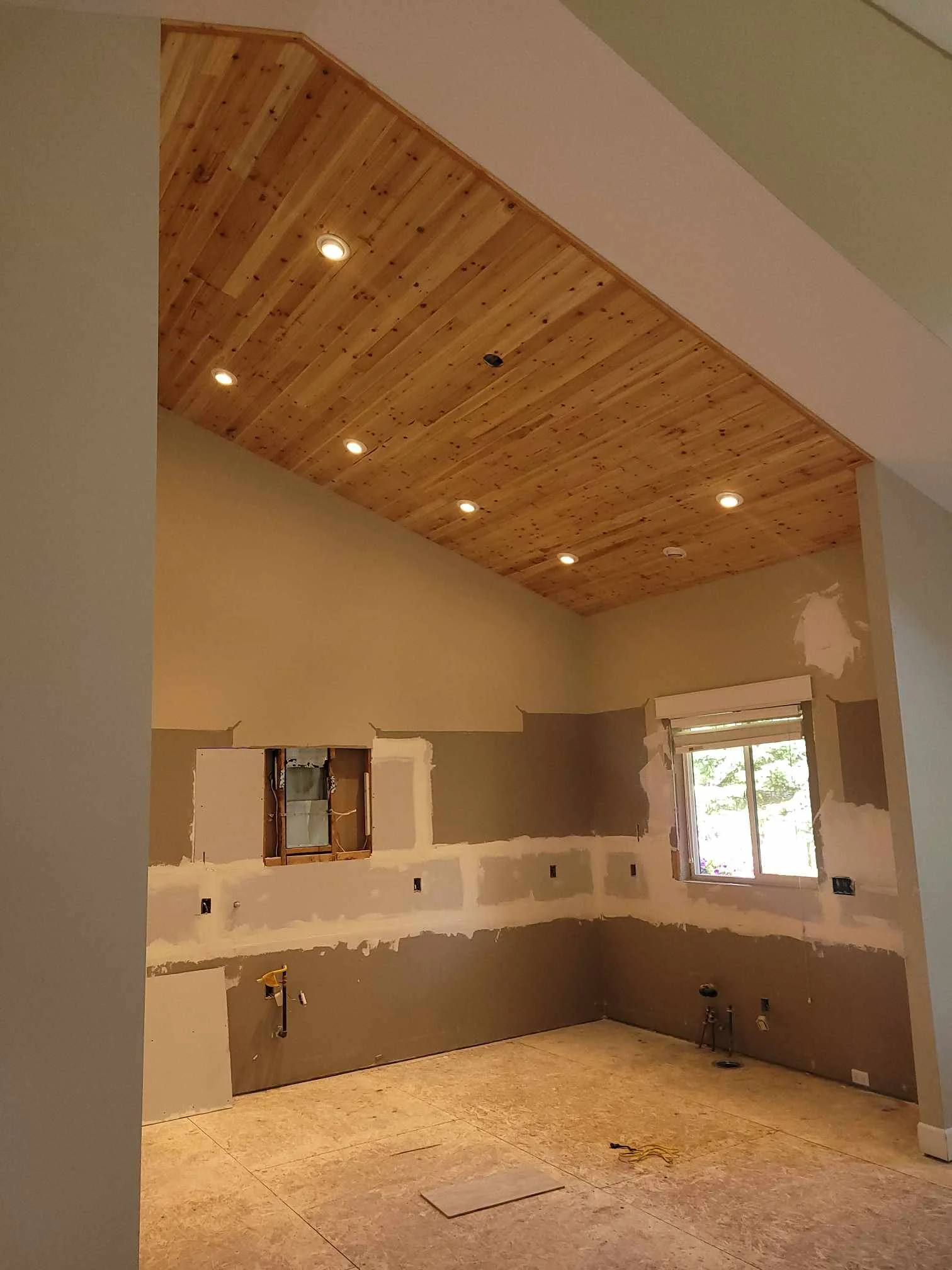
Should You Remodel in Phases or Complete Everything at Once?
When you’re looking at a major home renovation, one of the first questions to answer isn’t necessarily what you want to remodel. It’s how you want to tackle it.
Do you renovate the kitchen, bathrooms, living spaces, and other areas all at once? Or do you break the project into phases and work through the house over time?
Both approaches can make sense. The right choice depends on your budget, how much disruption you’re comfortable with, the condition of your home, and how well the different parts of the project connect to each other.
The important thing is to make that decision before the first phase begins.
Remodeling Everything at Once
There are some real advantages to completing a larger renovation as one project.
For one, you only have to go through the major disruption once. If your kitchen, flooring, walls, lighting, and adjacent living spaces all need work, doing everything together can mean fewer rounds of demolition, dust, moving furniture, and living around construction.
There can also be some efficiency in keeping the project moving as one coordinated renovation. Trades can work together, materials can be ordered at the same time, and decisions about finishes can be made with the entire home in mind.
That continuity matters more than people sometimes realize.
If you know you eventually want the kitchen, hallway, living room, and dining area to have the same flooring, paint colors, trim, or design style, planning those spaces together helps keep the finished home cohesive.
It can also prevent the frustrating situation of completing one room now, only to discover that the next phase requires tearing into something you just finished.
When Phasing Makes More Sense
Of course, completing everything at once isn't realistic for every homeowner.
A phased remodel can make a larger renovation more manageable financially and logistically. Instead of taking on a $100,000 renovation all at once, for example, you may decide to complete the primary bathroom first, then the kitchen, followed by other living spaces or exterior improvements.
Phasing can also make sense when certain areas of the home are more urgent than others.
Maybe the bathroom needs attention now, while the kitchen is functional but outdated. Or perhaps you're preparing to move into the home and want to address the most important areas first.
The key is making sure Phase 1 is planned with Phase 2 in mind.
Don't Let Phase 1 Create a Problem for Phase 2
This is one of the biggest things homeowners should think about before starting a phased renovation.
If you know you're eventually replacing the flooring throughout the main level, for example, it may not make sense to install new flooring in one room without considering how it will transition into the future work.
The same goes for electrical, plumbing, drywall, cabinetry, trim, paint, lighting, and even wall layouts.
Sometimes spending a little more during the first phase to prepare for future work can save you from paying to undo completed work later.
A good renovation plan should look at the whole picture, even if you're only building one piece of it right now.
Budgeting Is About More Than the Price of Phase 1
Phasing a project doesn't necessarily mean the overall renovation will cost exactly the same as doing everything together.
Each phase can involve its own setup, protection, demolition, cleanup, material ordering, and mobilization. Some efficiencies that come from keeping a project moving may be lost when a contractor has to return months or years later.
That doesn't mean phasing is a bad idea. It simply means you should look at the long-term plan, not just the price of the first phase.
If financing is part of the decision, it can also be helpful to understand what you can comfortably take on now versus what you'll realistically be able to budget for later.
Materials and Finishes Should Be Considered Early
One of the easiest things to overlook when phasing a remodel is material continuity.
Paint colors can change. Flooring can be discontinued. Tile collections can sell out. Cabinet styles and hardware can become unavailable.
If you know you're eventually going to continue the renovation, keep records of the materials, colors, manufacturers, product numbers, and finishes used in the first phase.
Better yet, discuss the future phases with your contractor before the first phase begins. That gives everyone a chance to think through transitions and identify anything that should be purchased or prepared ahead of time.
So Which Approach Is Right for You?
Sometimes completing everything at once makes the most sense.
Sometimes breaking the project into manageable phases is the better fit.
The important part isn't choosing one approach simply because it sounds cheaper or faster. It's understanding what the entire renovation is going to look like and then deciding how to get there.
If you're considering a larger remodel but aren't sure whether it should be one project or several, start with the end goal.
What do you ultimately want your home to look and function like?
Once you know that, you can work backward and decide which projects need to happen together, which can wait, and what needs to be planned now so future work doesn't undo the work you've already paid for.
A phased remodel can absolutely work. So can a whole-home renovation. The difference is in the planning.
At Mr Clean Fix, we help North Idaho homeowners look at the bigger picture of a renovation so the work can be planned around the home, the budget, and the way you actually want to live in it.
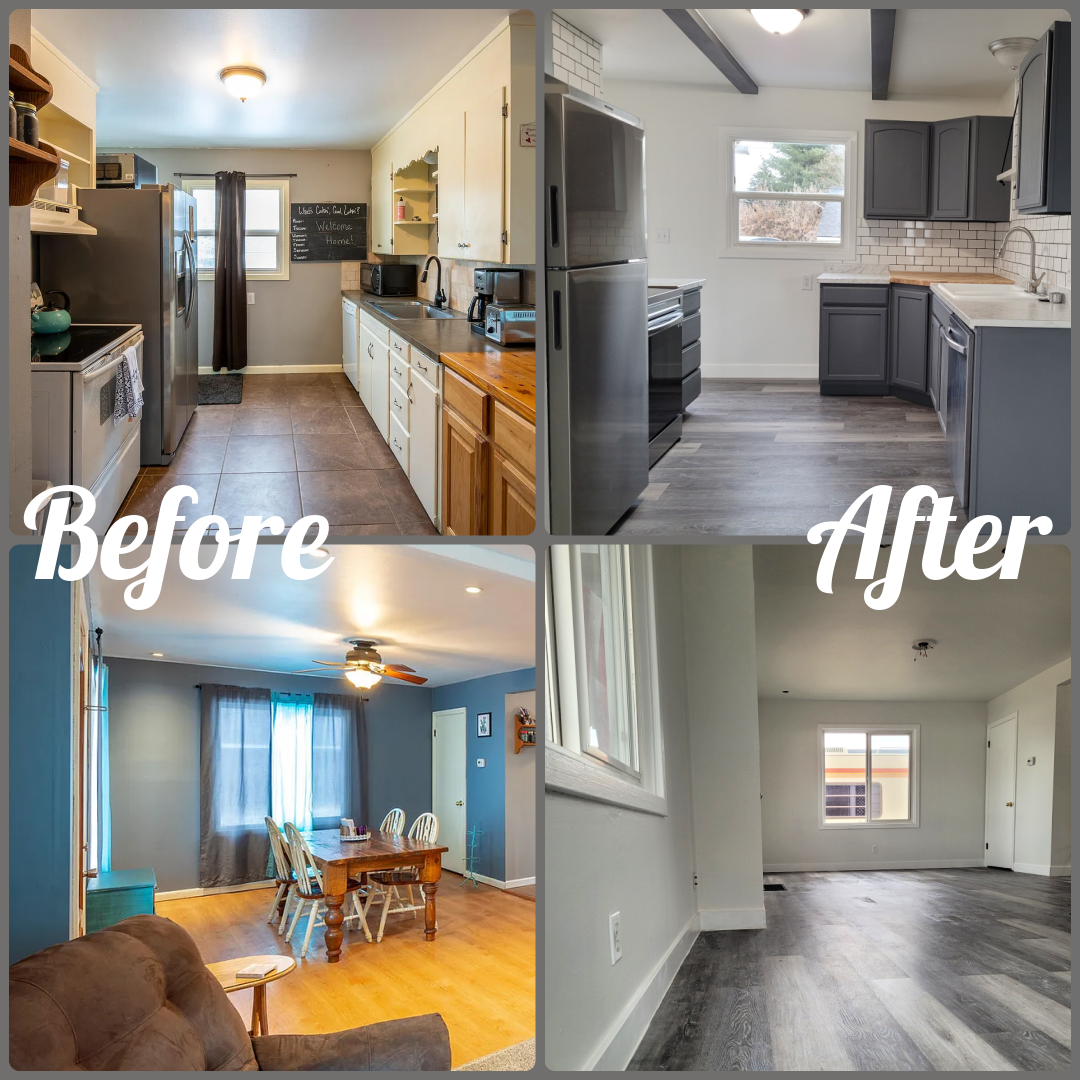
Buying a Fixer-Upper? What to Look for Before You Make an Offer
There’s something exciting about a fixer-upper.
Maybe it has the location you want, the yard you love, or a price that makes you think, We could turn this into exactly what we want.
And sometimes, you absolutely can.
But before you make an offer based on what the house could be, it’s important to take a good look at what you're actually buying.
A house that needs new paint, flooring and updated finishes is one thing. A house that needs structural work, major system upgrades and a complete reconfiguration is something very different.
The difference isn't always obvious when you're walking through with a real estate agent.
Here are some things we recommend thinking about before falling in love with the potential.
Look Beyond the Paint and Flooring
Cosmetic problems are usually the easiest part of a fixer-upper.
Old carpet, outdated cabinets, ugly paint colors, worn flooring and dated fixtures can make a house look like it needs a tremendous amount of work when the underlying house is actually in good shape.
Those things can also make a property look worse than it really is.
The opposite can be true, too.
Fresh paint and new flooring can make a house look great while bigger problems are hiding underneath.
When you're walking through a potential fixer-upper, try to separate what you don't like from what actually needs to be fixed.
You can change paint.
You can change flooring.
You can change cabinets.
Changing the basic structure or layout of the house is a much bigger conversation.
Pay Attention to the Layout
One of the biggest questions to ask is whether the existing layout can realistically become what you want.
Maybe you want a larger kitchen.
Maybe you want to open the main living area.
Maybe you want to add another bathroom, create a primary suite, or turn an unused space into an office.
Before assuming that a wall can come down or a room can be moved, consider what's behind it.
Is it structural?
Are there plumbing lines in the way?
Is electrical work going to be complicated?
Will moving one room create problems somewhere else?
A house with an imperfect layout isn't necessarily a bad investment. In fact, sometimes the layout is exactly what makes a fixer-upper worth considering.
But you want to understand the possibilities before you make an offer—not after you own the house.
Don't Ignore the Major Systems
This is where a little extra caution can save you from a very expensive surprise.
Pay attention to the age and condition of things like:
Roofing
Electrical
Plumbing
Heating and cooling
Water heaters
Windows and exterior doors
Foundation and drainage
Insulation
You don't necessarily need everything to be new.
An older home can still be a fantastic home.
The important thing is knowing what you're working with and what may need attention soon.
If you're planning to spend $50,000 remodeling the kitchen and bathrooms, but the house also needs major electrical, plumbing and structural work, that changes the overall project considerably.
Look for Signs of Structural Problems
Some problems are more concerning than others.
Cracks, uneven floors, doors that don't close properly, water intrusion, significant settling or other unusual conditions are worth investigating before you assume they're just part of an older house.
This doesn't mean every crack is a disaster.
It means you shouldn't build your renovation budget around the assumption that every problem is cosmetic.
If something catches your attention during the walkthrough, find out what it is.
Sometimes the answer is simple.
Sometimes it requires a professional evaluation.
Either way, it's much better to know before you buy.
Think About Permits Before You Make Big Plans
If your dream for the house involves moving walls, adding rooms, changing plumbing or electrical, finishing previously unfinished space, or building an addition, don't assume every idea will automatically be allowed.
Permitting requirements can affect both your budget and your timeline.
Your plans may also be affected by existing conditions, property limitations or local requirements.
That's one reason it's helpful to think about the renovation as a project—not just a collection of individual improvements.
Before you decide that a house is a bargain because you can "just remodel it," make sure the remodel you're imagining is actually realistic.
Calculate the Renovation—Not Just the Purchase Price
This is probably the biggest mistake we see people make when thinking about fixer-uppers.
They look at the purchase price and the finished value, then estimate the renovation based on what they think individual projects should cost.
But major remodels aren't usually just a list of materials.
There can be demolition, preparation, framing, electrical, plumbing, drywall, flooring, cabinetry, countertops, tile, painting, permits, finish work and all of the little things that connect those pieces together.
And once walls start opening up, you may discover conditions that weren't visible during the initial walkthrough.
That's why it's important to leave some room in the budget for the unexpected.
A fixer-upper can still be a great opportunity. You just don't want the entire deal to depend on everything going perfectly.
Think About the House You Want to End Up With
Here's the fun part.
Once you've looked at the problems, look at the potential.
Can you create the kitchen you've always wanted?
Could an awkward floor plan become a great open living space?
Is there room for the bathroom you've been missing?
Could an addition give your family the space you need without leaving the neighborhood you love?
A fixer-upper doesn't have to be perfect when you buy it.
It needs to have potential that makes sense.
The best renovation opportunities aren't necessarily the houses that need the least work. They're the ones where the existing house, property and renovation goals come together in a way that makes sense.
Don't Let the Purchase Happen Before the Plan
If you're seriously considering a fixer-upper, one of the smartest things you can do is start thinking about the renovation before you make the offer.
You don't need a complete set of construction drawings or a finished material list.
But you should have a realistic idea of what you're trying to accomplish, what the house needs, and what kind of investment you're potentially taking on.
Even a conversation with a contractor can help you look at the property differently.
Instead of walking through asking, "Can I live with this?" you can start asking, "What would it take to turn this into the house I actually want?"
Those are two very different questions.
A Fixer-Upper Can Be a Great Opportunity—If the Numbers Work
There is nothing wrong with buying a house that needs work.
Some of the most rewarding homes are the ones that start out a little rough around the edges.
The key is going into it with your eyes open.
Look past the ugly finishes, but don't overlook the expensive problems. Think about the layout, investigate the major systems, understand what your renovation plans could involve, and build a realistic budget before deciding that you've found a bargain.
Because the goal isn't simply to buy a fixer-upper.
The goal is to buy a house where the work required to create the home you want actually makes sense.
Thinking about buying a home that needs some work? Mr. Clean Fix can help you think through the renovation possibilities and what it may take to get the house where you want it to be.
Sometimes a fixer-upper is exactly the opportunity you're looking for.
And sometimes, taking a closer look before making the offer can save you from buying someone else's expensive surprise.
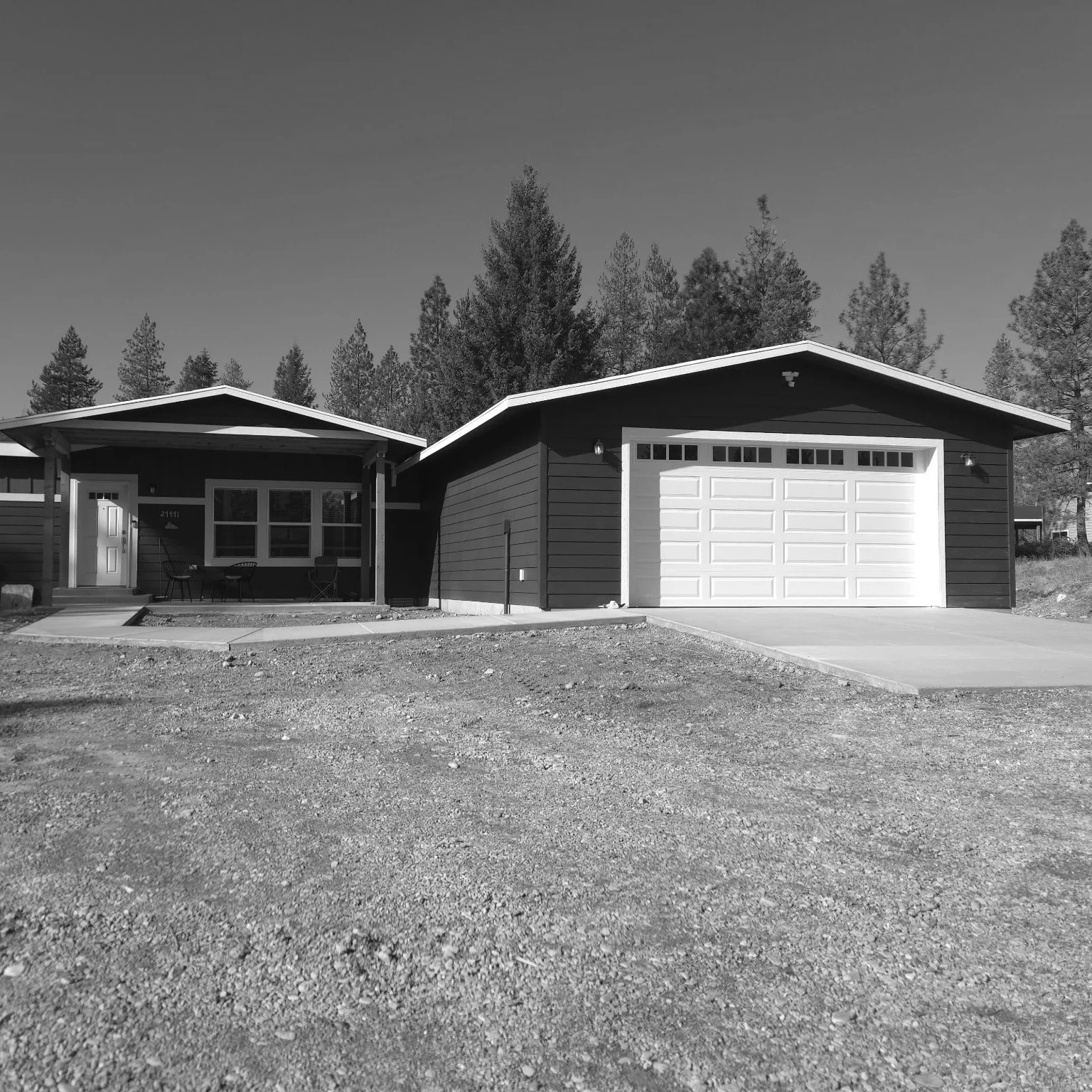
Planning a Major Home Remodel? 7 Decisions to Make Before Construction Begins
A major home remodel is exciting. You're finally getting the kitchen you've wanted, transforming an outdated bathroom, opening up your living space, or making changes that allow your home to work better for your family.
But before the demolition begins, there are some important decisions that need to happen first.
The planning stage of a remodel can have a bigger impact on the final result—and the final cost—than many homeowners realize. Taking the time to establish a clear plan can help prevent delays, unexpected expenses, and changes that become much more difficult once construction is underway.
If you're considering a major renovation, here are seven decisions worth making before construction begins.
1. Establish Your Budget
The first step isn't picking out tile or looking at paint colors. It's establishing a realistic budget for the entire project.
A remodeling budget should account for more than just labor and the obvious materials. Depending on the project, there may also be costs for permits, demolition, disposal, electrical or plumbing upgrades, structural work, fixtures, finishes, and other items that aren't always visible at the beginning.
It's also wise to leave room for the unexpected.
Older homes in particular can reveal surprises once walls, floors, or ceilings are opened up. Having a contingency built into the budget gives you some flexibility if an unforeseen issue comes up.
A good contractor can help you understand where your budget is likely to go and where you may want to prioritize your investment.
2. Clearly Define the Scope of Work
"Remodel the kitchen" sounds straightforward, but what does that actually include?
Are you replacing cabinets and countertops? Moving walls? Changing the flooring? Updating electrical? Adding lighting? Relocating plumbing? Replacing appliances? Painting? Installing new trim?
The more clearly the scope is defined before work begins, the easier it becomes to create an accurate estimate and schedule.
This is also the time to think about what you don't want to do.
If you're already opening walls for one part of the project, it may make sense to address certain related improvements at the same time. On the other hand, adding unrelated projects halfway through construction can quickly affect both the budget and timeline.
A clearly defined scope helps everyone start the project with the same expectations.
3. Think About the Layout Before the Finishes
It's easy to get excited about countertops, flooring, tile, cabinets, fixtures, and paint.
But the layout should come first.
Before choosing finishes, think about how you actually use the space.
Would moving a wall improve the flow? Would relocating a doorway make the room more functional? Does the kitchen have enough workspace? Is there adequate storage? Would changing the bathroom layout create a better shower or more useful vanity area?
These decisions are much easier to make on paper than after construction has started.
A high-quality remodel isn't simply about replacing old materials with new ones. It's an opportunity to make your home function better than it did before.
4. Choose Materials and Finishes Early
Once the scope and layout are established, it's time to start making material selections.
This includes things such as:
Flooring
Cabinets
Countertops
Tile
Plumbing fixtures
Lighting
Doors and trim
Paint colors
Hardware
Appliances
Making these decisions early can help prevent construction delays and allows the different elements of the project to work together.
It also helps with budgeting. A significant difference in price can exist between different materials that may look similar at first glance.
You don't necessarily need to choose the most expensive option. The goal is to select materials that fit your budget, your home, your lifestyle, and the overall design.
5. Understand Permits and Structural Requirements
Depending on the project, permits and inspections may be required.
Projects involving structural changes, electrical work, plumbing, additions, or significant alterations to a home can have requirements that need to be addressed before construction begins.
This is one reason working with an experienced general contractor can be valuable. A contractor can help identify what needs to be addressed during the planning process rather than discovering a permitting or code issue after work is already underway.
The exact requirements will depend on the location and the scope of the project, so it's important to address them early.
Permits aren't the most exciting part of remodeling, but they are an important part of doing the job correctly.
6. Choose the Right Contractor
Perhaps the most important decision you'll make is who will actually manage and perform the work.
For a major remodel, you're not simply hiring someone to complete a list of tasks. You're trusting a contractor with your home, your investment, your schedule, and your expectations.
When evaluating a contractor, look beyond the lowest number.
Ask about experience with projects similar to yours. Look at completed work. Read reviews. Make sure you understand what is included in the scope of work and how changes will be handled.
Communication matters, too.
A major renovation can involve dozens of decisions throughout the process. You want a contractor who will communicate clearly, explain issues when they arise, and keep the project moving forward.
The right contractor should feel like a partner in the project—not simply someone who shows up to perform the work.
7. Plan for Changes Before Construction Starts
Even the best-planned remodel can encounter surprises.
But there's a big difference between a necessary change and a change that could have been avoided with better planning.
Changing your mind about the layout after walls have been framed, ordering materials after construction has already started, or deciding to add another project halfway through can create additional labor, material costs, and delays.
That's why the planning stage is so important.
Walk through the project carefully before construction begins. Think about how you want the space to function. Make your major design and material decisions as early as practical. Ask questions about anything you don't understand.
The more decisions you can make before the first wall comes down, the fewer decisions you'll have to make while the crew is standing there waiting.
Don't Rush the Planning Stage
There can be a temptation to get started as quickly as possible once you've decided you're ready to remodel.
But spending a little more time planning can save significantly more time—and money—during construction.
A well-planned remodel has a clear scope, realistic budget, thoughtful layout, appropriate materials, necessary permits, and a contractor who understands the plan.
And perhaps most importantly, everyone involved knows what the finished project is supposed to look like.
Ready to Start Planning Your Remodel?
At Mr. Clean Fix, we believe a successful remodeling project starts long before construction begins.
Whether you're planning a kitchen or bathroom remodel, an addition, a whole-home renovation, or another major improvement, we're happy to discuss your goals and help you understand what goes into turning that idea into a finished project.
The best time to solve a remodeling problem is before construction begins.
If you're considering a major home remodel in Coeur d'Alene or the surrounding North Idaho area, contact Mr. Clean Fix to schedule a consultation.
Why Good Pre-Sale Work Takes Longer Than Expected — And Why That's Actually a Good Sign
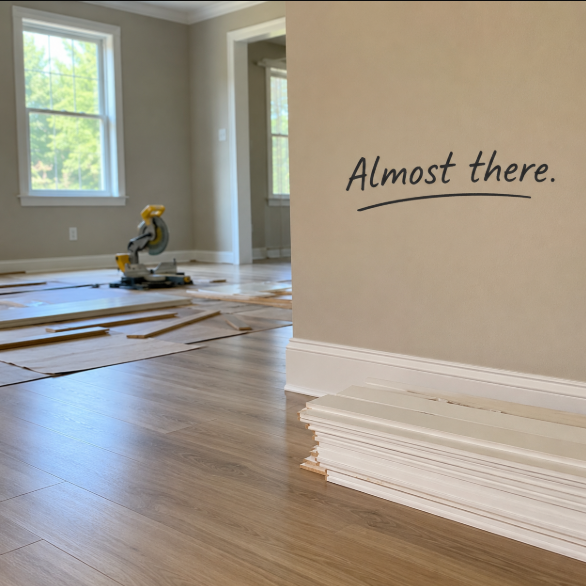
If you've been following along with our Turnkey Transformation series, you know we expected this project to be wrapped up by now.
As often happens during renovation work, the homeowner decided to add a few more improvements once they saw the progress. That's one of the biggest advantages of working room by room—it's easier to spot opportunities that will make the home even more appealing to future buyers.
This week, the new flooring is complete and we're about 75% finished installing new baseboards throughout the home. Every improvement adds another layer of value, but it also reinforces an important lesson that applies to almost every home being prepared for sale.
The Best Projects Rarely Go Exactly According to Schedule
Television renovation shows make remodeling look predictable. In reality, every home has its own surprises, changing priorities, and decisions that happen along the way.
Sometimes homeowners choose to:
Upgrade additional finishes.
Replace trim that wasn't originally planned.
Add repairs after seeing how much cleaner and newer the home is becoming.
Those decisions can add a little time to the schedule, but they often produce a much better finished product.
Rushing Can Cost More Than Waiting
When a home is being prepared for the market, there's often pressure to finish as quickly as possible.
The problem is that rushed work usually shows.
Uneven trim, skipped repairs, mismatched flooring transitions, and unfinished details are exactly the kinds of things buyers notice during showings. They may not know why a house feels unfinished—but they know when it does.
Taking an extra week to finish the details is almost always a better investment than trying to save a few days.
Details Matter
Fresh flooring makes a huge difference, but it's the finishing touches that make a home feel complete.
Clean baseboards, consistent trim, repaired walls, fresh paint, and quality installation all work together to create the impression that the home has been well cared for.
Those details help buyers focus on the home—not on a list of repairs they'll need to make after closing.
One More Week...
We're in the home stretch now.
The flooring is finished, the trim is coming together, and we're excited to show you the completed transformation very soon.
Sometimes the best projects take a little longer than expected—and we're perfectly okay with that if it means delivering quality work our customers can be proud of.
Stay tuned next week as we share the finished results of this Turnkey Transformation!
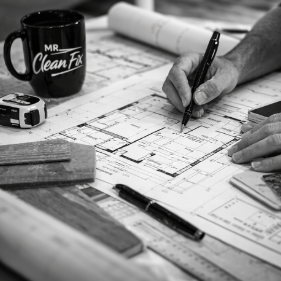
What Happens Behind the Scenes of a Remodeling Project
When homeowners picture a remodeling project, they usually imagine the exciting parts — demolition day, new cabinets arriving, fresh paint going on the walls, and the final reveal.
But what most people don’t see is everything happening behind the scenes to make that transformation possible.
At Mr. Clean Fix, a huge portion of our work happens before a single tool even comes out of the trailer. A successful remodel isn't just construction — it's planning, coordination, and problem-solving every step of the way.
Let’s pull back the curtain and show you what really goes on behind the scenes of a remodeling project.
1. The Planning Phase
Before we start building, we spend time making sure everyone is on the same page.
This includes:
• Meeting with the homeowner
• Understanding goals and budget
• Measuring and documenting the space
• Discussing materials and layout
• Identifying potential structural or layout challenges
This phase helps prevent surprises later. A good contractor doesn’t just start swinging a hammer — we make sure there’s a clear plan first.
2. Material Selection and Ordering
Many materials have lead times that homeowners don’t always expect.
Cabinets, flooring, tile, fixtures, and specialty items often need to be ordered weeks in advance. Part of our job is helping schedule the project around when those materials will arrive.
Behind the scenes we are:
• Checking product availability
• Coordinating deliveries
• Confirming measurements
• Making sure everything will fit and install properly
Getting this right keeps the project moving forward without unnecessary delays.
3. Scheduling and Coordination
A remodeling project is a bit like a puzzle. Different pieces need to happen in the right order.
For example:
Demo
Framing or structural changes
Plumbing and electrical
Insulation and drywall
Flooring and cabinets
Trim, paint, and finishes
If one step is delayed, it can affect everything that follows. Behind the scenes we’re constantly adjusting schedules and coordinating the next phase of work so the project stays on track.
4. Problem Solving (Because Every Remodel Has Surprises)
One thing we’ve learned from years in the field is that every house has a story.
Sometimes we open a wall and find:
• Old plumbing that needs replacement
• Wiring that isn’t up to code
• Hidden water damage
• Structural framing that needs correction
These aren’t things homeowners see during the planning stage, but they’re common in remodeling work. A big part of our job is solving these problems quickly while keeping you informed about the best path forward.
5. Communication with the Homeowner
Good communication is what keeps remodeling projects stress-free.
Behind the scenes we’re often:
• Updating homeowners on progress
• Discussing decisions that come up during construction
• Adjusting timelines if needed
• Making sure expectations stay clear on both sides
A remodel works best when the contractor and homeowner operate as a team.
6. The Final Details
The last stage of a project often takes the most patience.
This is when we focus on:
• Final trim work
• Touch-up paint
• Fixture installation
• Adjustments and fine-tuning
These details are what turn a construction site into a finished space you can enjoy every day.
The Truth About Remodeling
From the outside, a remodel can look like a fast transformation. But behind every successful project is a lot of planning, coordination, and experience.
When done right, the behind-the-scenes work is what keeps the project running smoothly and delivers a finished result that lasts for years.
At Mr. Clean Fix, we believe the best remodeling projects are built on clear communication, careful planning, and quality workmanship from start to finish.