Should You Remodel in Phases or Complete Everything at Once?
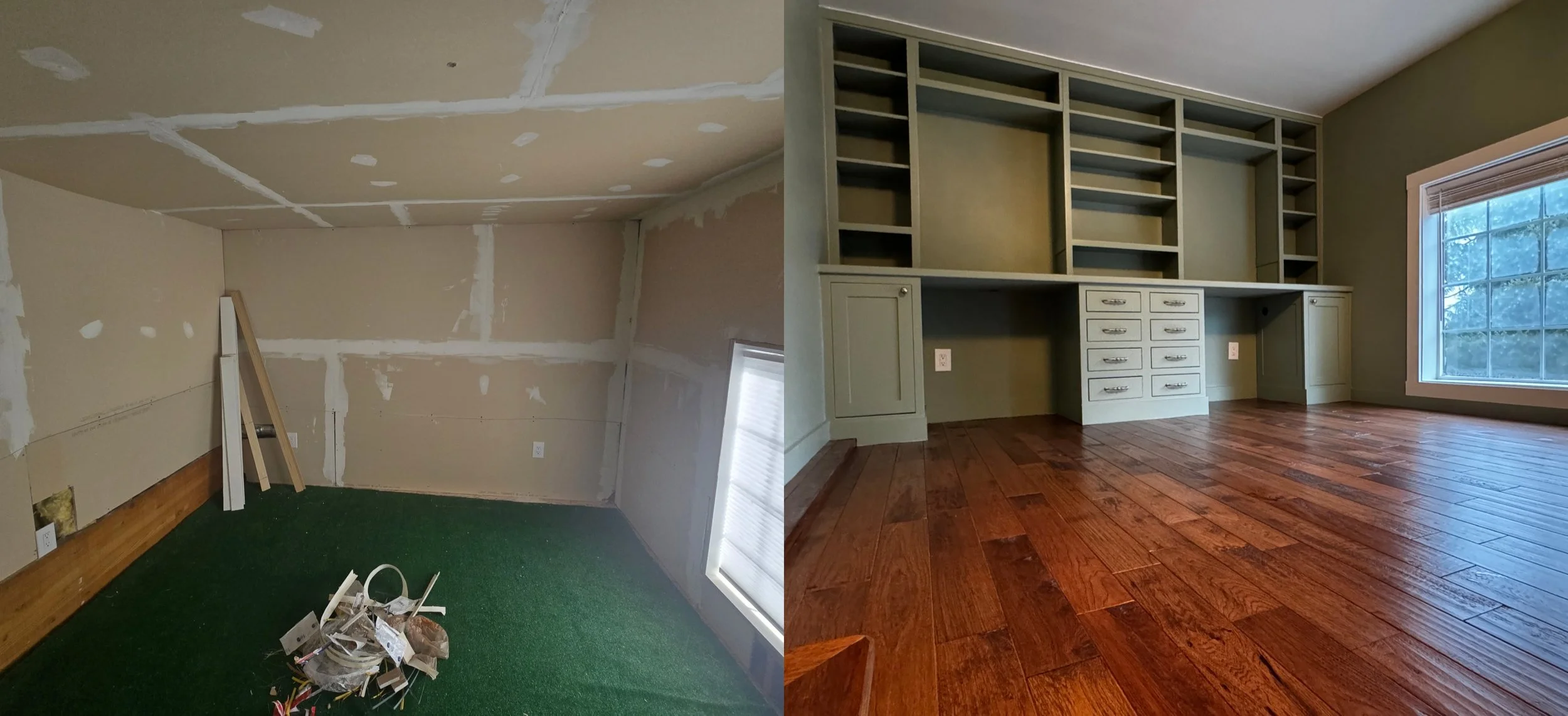
When you’re looking at a major home renovation, one of the first questions to answer isn’t necessarily what you want to remodel. It’s how you want to tackle it.
Do you renovate the kitchen, bathrooms, living spaces, and other areas all at once? Or do you break the project into phases and work through the house over time?
Both approaches can make sense. The right choice depends on your budget, how much disruption you’re comfortable with, the condition of your home, and how well the different parts of the project connect to each other.
The important thing is to make that decision before the first phase begins.
Remodeling Everything at Once
There are some real advantages to completing a larger renovation as one project.
For one, you only have to go through the major disruption once. If your kitchen, flooring, walls, lighting, and adjacent living spaces all need work, doing everything together can mean fewer rounds of demolition, dust, moving furniture, and living around construction.
There can also be some efficiency in keeping the project moving as one coordinated renovation. Trades can work together, materials can be ordered at the same time, and decisions about finishes can be made with the entire home in mind.
That continuity matters more than people sometimes realize.
If you know you eventually want the kitchen, hallway, living room, and dining area to have the same flooring, paint colors, trim, or design style, planning those spaces together helps keep the finished home cohesive.
It can also prevent the frustrating situation of completing one room now, only to discover that the next phase requires tearing into something you just finished.
When Phasing Makes More Sense
Of course, completing everything at once isn't realistic for every homeowner.
A phased remodel can make a larger renovation more manageable financially and logistically. Instead of taking on a $100,000 renovation all at once, for example, you may decide to complete the primary bathroom first, then the kitchen, followed by other living spaces or exterior improvements.
Phasing can also make sense when certain areas of the home are more urgent than others.
Maybe the bathroom needs attention now, while the kitchen is functional but outdated. Or perhaps you're preparing to move into the home and want to address the most important areas first.
The key is making sure Phase 1 is planned with Phase 2 in mind.
Don't Let Phase 1 Create a Problem for Phase 2
This is one of the biggest things homeowners should think about before starting a phased renovation.
If you know you're eventually replacing the flooring throughout the main level, for example, it may not make sense to install new flooring in one room without considering how it will transition into the future work.
The same goes for electrical, plumbing, drywall, cabinetry, trim, paint, lighting, and even wall layouts.
Sometimes spending a little more during the first phase to prepare for future work can save you from paying to undo completed work later.
A good renovation plan should look at the whole picture, even if you're only building one piece of it right now.
Budgeting Is About More Than the Price of Phase 1
Phasing a project doesn't necessarily mean the overall renovation will cost exactly the same as doing everything together.
Each phase can involve its own setup, protection, demolition, cleanup, material ordering, and mobilization. Some efficiencies that come from keeping a project moving may be lost when a contractor has to return months or years later.
That doesn't mean phasing is a bad idea. It simply means you should look at the long-term plan, not just the price of the first phase.
If financing is part of the decision, it can also be helpful to understand what you can comfortably take on now versus what you'll realistically be able to budget for later.
Materials and Finishes Should Be Considered Early
One of the easiest things to overlook when phasing a remodel is material continuity.
Paint colors can change. Flooring can be discontinued. Tile collections can sell out. Cabinet styles and hardware can become unavailable.
If you know you're eventually going to continue the renovation, keep records of the materials, colors, manufacturers, product numbers, and finishes used in the first phase.
Better yet, discuss the future phases with your contractor before the first phase begins. That gives everyone a chance to think through transitions and identify anything that should be purchased or prepared ahead of time.
So Which Approach Is Right for You?
Sometimes completing everything at once makes the most sense.
Sometimes breaking the project into manageable phases is the better fit.
The important part isn't choosing one approach simply because it sounds cheaper or faster. It's understanding what the entire renovation is going to look like and then deciding how to get there.
If you're considering a larger remodel but aren't sure whether it should be one project or several, start with the end goal.
What do you ultimately want your home to look and function like?
Once you know that, you can work backward and decide which projects need to happen together, which can wait, and what needs to be planned now so future work doesn't undo the work you've already paid for.
A phased remodel can absolutely work. So can a whole-home renovation. The difference is in the planning.
At Mr Clean Fix, we help North Idaho homeowners look at the bigger picture of a renovation so the work can be planned around the home, the budget, and the way you actually want to live in it.