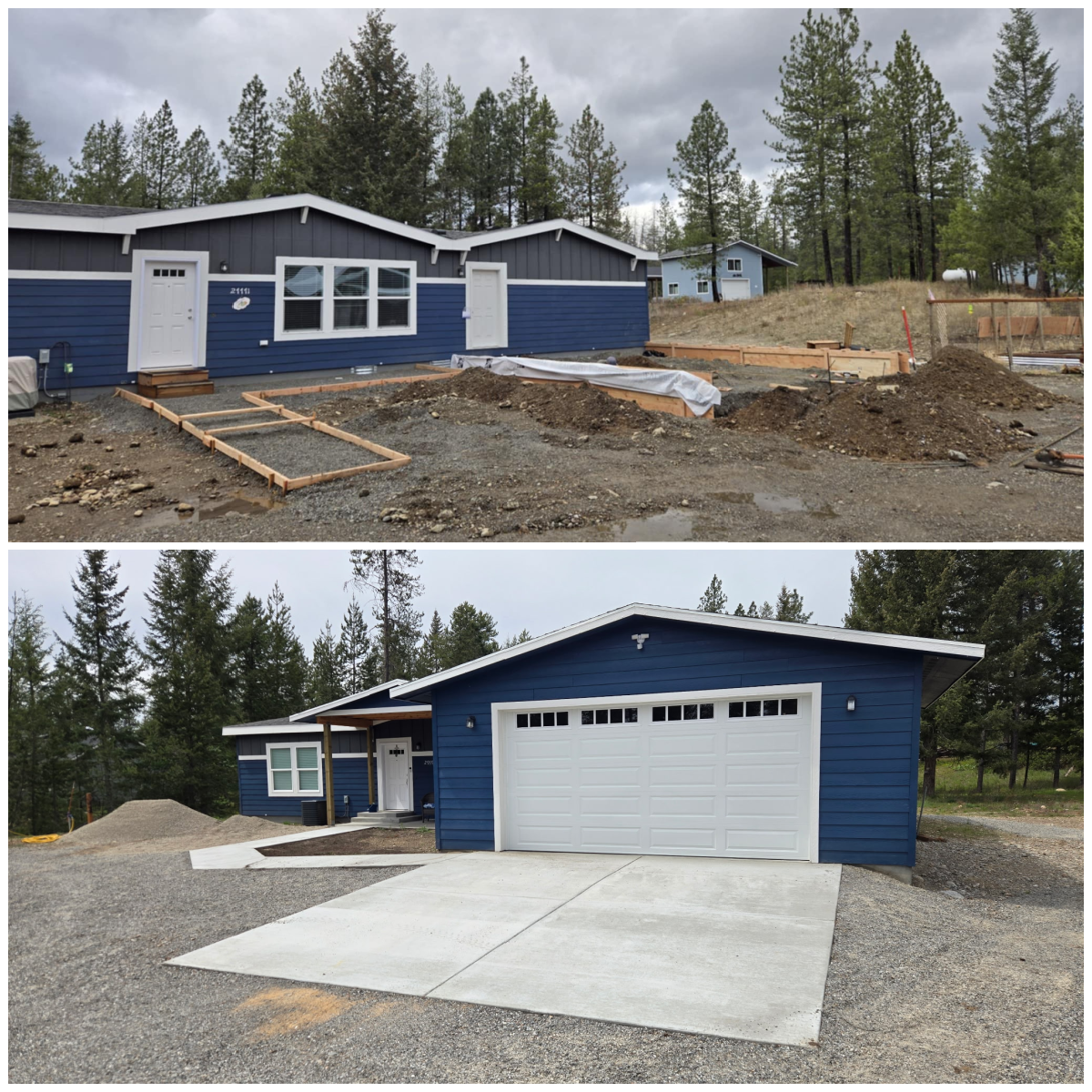
Home Additions: When Does Adding Space Make More Sense Than Moving?
At some point, many homeowners find themselves asking the same question:
Should we add onto the house, or should we just move?
Maybe the family has grown. Maybe you need a home office, a larger kitchen, another bedroom, or more room for guests. Sometimes the house itself still feels like home, but the layout no longer works for the way you live.
Moving can seem like the obvious answer.
But selling your home and buying another one isn't always the only way to get the space you need. Depending on your property, an addition may be worth considering.
The trick is figuring out whether you're trying to find a different house — or whether you actually want to make your current house work better.
Start With What You're Actually Missing
Before talking about square footage, think about what isn't working in your current home.
Do you need another bedroom? A larger primary suite? A dedicated office? More space for entertaining? A bigger kitchen? A mudroom or storage area?
Being specific about the problem helps you determine whether an addition can actually solve it.
Adding 500 square feet doesn't automatically make a house function better. The new space needs to connect to the existing home in a way that improves how you use the entire house.
Look at What Your Property Can Handle
Not every home is a good candidate for a major addition.
Your lot size, existing layout, setbacks, utilities, access, grading, and local requirements can all affect what is possible.
That's why the conversation shouldn't start with, "How big can we make it?"
It should start with, "What can realistically be added here, and where would it make the most sense?"
Sometimes the answer is a rear addition. Sometimes it's building outward in another direction. In other situations, finishing or reconfiguring existing space may accomplish what you need without adding a completely new footprint.
Don't Forget the Existing Floor Plan
One of the biggest advantages of an addition is the opportunity to rethink how the house functions.
A new room shouldn't feel like it was simply attached to the back of the house.
A well-planned addition should make sense with the existing floor plan. That may mean widening an opening, changing the location of a hallway, relocating a door, reworking a kitchen, or adjusting how rooms connect.
The goal isn't just more space.
It's better space.
Think About the Long-Term Value
If you're considering an addition, it's worth thinking about how the changes will affect the home over time.
Will the additional bedroom make the house more functional for your family? Will a larger kitchen improve the main living area? Will an added primary suite make the home more useful for years to come?
And while no renovation guarantees a specific return when you eventually sell, it can be useful to consider how the finished home fits with the surrounding neighborhood and what future buyers may expect.
An addition should ideally improve the way you live in the house now while making sense as part of the property later.
Compare the Real Cost of Moving
It's easy to compare an addition estimate to the listing price of another house and stop there.
But moving comes with costs of its own.
There are selling costs, moving expenses, potential repairs or updates before selling, and the cost of making the new house your own. And the house you move into may still need changes to give you the layout or finishes you actually want.
That doesn't mean an addition will always be the less expensive option.
A major addition is a significant construction project, and homeowners need to be realistic about the investment involved.
The point is to compare the complete picture, not just two price tags.
Be Honest About Living Through Construction
This is one area where moving has an obvious advantage.
With an addition, you're still living at home while a major construction project is happening around you.
There will be noise, dust, deliveries, workers coming and going, and periods when parts of your home may be less accessible.
Depending on the project, you may also be without certain rooms or utilities for periods of time.
That's something to discuss before deciding that an addition is the right answer.
If you're willing to live through the process because you love your property and want to stay there long-term, an addition can be a great way to transform the home you already have.
Sometimes the Answer Is a Combination
An addition doesn't have to mean simply building a new room onto the existing house.
A major addition can be an opportunity to renovate the areas around it at the same time.
For example, adding space to a kitchen may lead to a completely new kitchen layout. Adding a primary suite may mean updating the hallway and adjacent spaces. Expanding the back of the house may be the perfect time to rethink flooring, lighting, doors, or the connection to the outdoor living area.
That's where thinking about the whole project becomes important.
If you're already investing in a major addition, you don't want to finish it and immediately realize the rest of the house no longer works with the new space.
So, Should You Add On or Move?
There isn't one answer that works for every homeowner.
If you don't like the location, the property has significant limitations, or the changes you need aren't realistic for the home, moving may make more sense.
But if you love your neighborhood, your property has potential, and your biggest problem is that the house no longer fits your needs, an addition may be worth exploring.
Start by asking yourself three questions:
Do we love where we live?
Can our property realistically accommodate the space we need?
Would changing the house solve the problems that are making us consider moving?
If the answer to all three is yes, it may be worth looking at what is possible before putting a "For Sale" sign in the yard.
Sometimes you don't need a different house.
You just need a house that works differently.
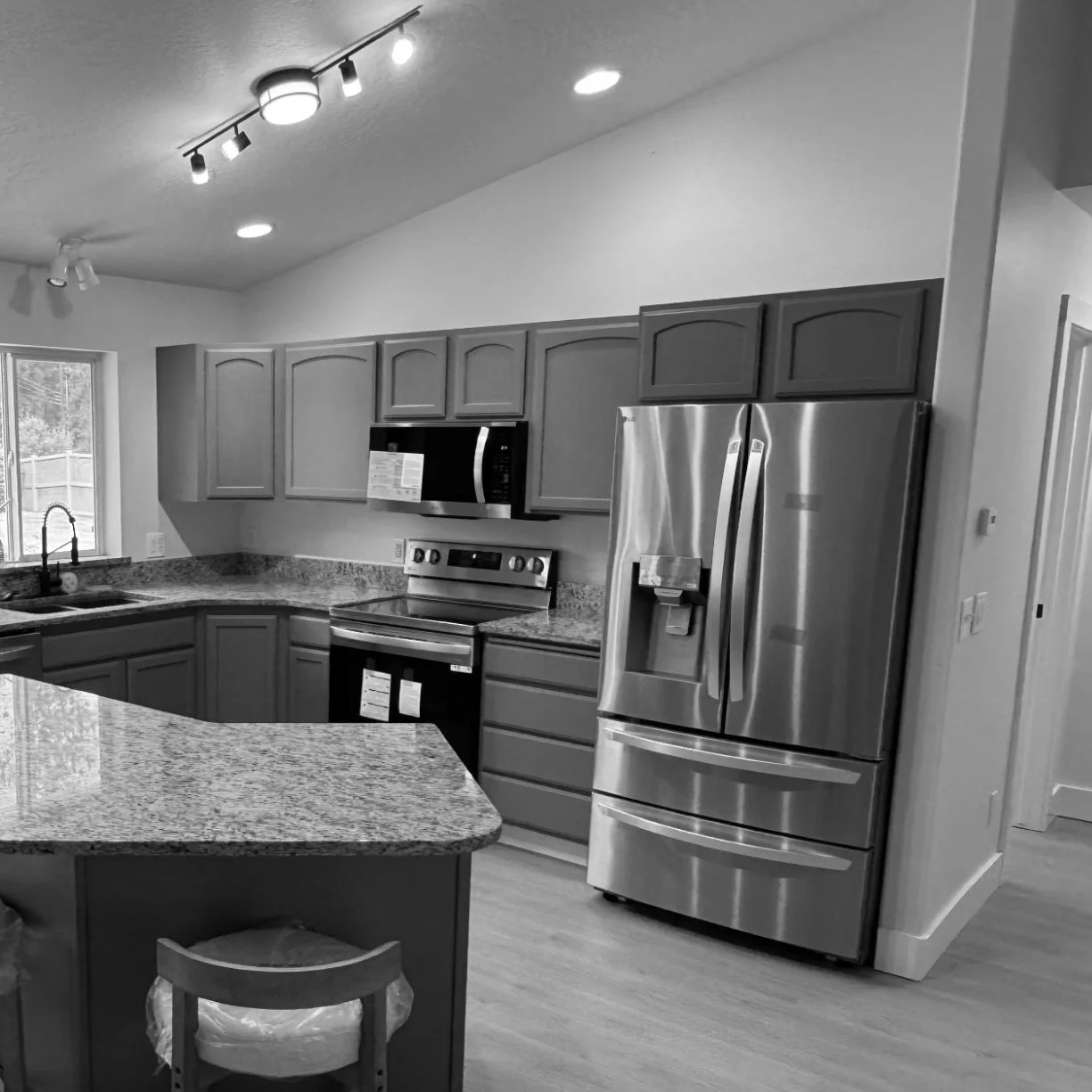
What Homeowners Should Know Before Starting a Kitchen Remodel
With Labor Day weekend here, we're taking a moment to appreciate something we know pretty well at Mr. Clean Fix: good work takes planning, skill, and a lot more behind the scenes than most people ever see.
A kitchen remodel is a perfect example.
From the first conversation about what isn't working in your current kitchen to the final cabinet adjustment and backsplash detail, a successful remodel involves dozens of decisions—and plenty of skilled work along the way.
If you're thinking about remodeling your kitchen, here's what we think homeowners should know before construction begins.
Start With How You Use Your Kitchen
Before you start picking out countertops or scrolling through cabinet colors, think about what's actually frustrating you about your current kitchen.
Is there not enough counter space?
Do people constantly get in each other's way?
Is the refrigerator in an awkward location?
Do you need more storage?
Is there nowhere for someone to sit and hang out without being in the cooking area?
A beautiful kitchen that doesn't function well isn't much of an upgrade.
The best kitchen remodels start with how you actually live in the space.
That means looking at traffic flow, work areas, storage, appliances, seating, and the way your family uses the kitchen on an ordinary day—not just how the room looks in a picture.
The Layout Comes Before the Cabinets
It's tempting to start with cabinets because they're one of the most visible parts of a kitchen remodel.
But the layout should come first.
Where should the refrigerator go? Where will food be prepped? Where will the sink and dishwasher sit? Is there enough room around an island? Can two people work in the kitchen at the same time without constantly bumping into each other?
These decisions affect almost everything that comes afterward.
And this is where remodeling can become much more than simply replacing old cabinets with new ones. Sometimes the best solution involves moving a wall, relocating plumbing, changing electrical, or completely rethinking the existing layout.
That's why planning matters so much.
Cabinetry Is More Than a Color Choice
Once the layout is right, cabinetry becomes one of the biggest decisions in the project.
Of course, style matters. Cabinet color, door style, hardware, and finish all contribute to the overall look.
But what's inside the cabinets matters just as much.
Think about how you store pots and pans, where you want your spices, how often you use certain appliances, and whether drawers or doors make more sense for the way you work.
A well-designed kitchen doesn't just give you more storage.
It puts the storage where you actually need it.
Countertops Need to Work With the Whole Design
Countertops are another major visual element, but they're also one of the surfaces that gets used constantly.
When choosing a countertop, consider durability, maintenance, color, edge profile, and how it works with the cabinets, backsplash, flooring, and other finishes.
You don't necessarily need the most expensive material available.
You need the right material for the way you use your kitchen and the overall design you're trying to create.
A high-end remodel is about making intentional choices—not automatically choosing the highest-priced option.
Don't Forget the Appliances
Appliances can have a surprisingly large impact on your kitchen layout.
The size and location of the refrigerator, range, oven, dishwasher, microwave, and other appliances need to be considered before cabinetry is finalized.
This is especially important if you're changing appliance locations.
Moving an appliance can mean moving electrical, plumbing, gas, or ventilation as well. Those decisions are much easier to address during the planning stage than after the cabinets have already been installed.
Lighting Is Part of the Design
One ceiling light isn't a lighting plan.
A well-designed kitchen typically needs a combination of general lighting, task lighting, and accent lighting.
Think about where you'll actually be working. Countertops can look beautiful during the day but become frustrating at night if you're standing in your own shadow while preparing dinner.
Under-cabinet lighting can make a huge difference. So can thoughtfully placed recessed lighting, pendants, and lighting over an island or dining area.
Lighting should be planned before the walls and ceilings are finished, especially when new electrical work is involved.
Plumbing and Electrical Are Part of the Remodel
The things you don't see can be some of the most important parts of a kitchen renovation.
Moving a sink means plumbing.
Changing the range may mean electrical or gas work.
Adding appliances may require additional circuits.
Adding lighting means electrical planning.
And opening walls can reveal existing conditions that need to be addressed before the new kitchen can come together.
This is one of the reasons we encourage homeowners to think about the entire project before construction starts. A kitchen remodel isn't just cabinets and countertops. It's the systems behind those finishes that make the kitchen function.
The Order of Operations Matters
A kitchen remodel has a sequence for a reason.
Depending on the project, demolition may come first, followed by framing or structural changes, plumbing and electrical work, drywall and finishing, flooring, cabinetry, countertops, backsplash, fixtures, appliances, and final details.
Not every kitchen follows exactly the same sequence, but the important thing is that the work needs to be coordinated.
You don't want to install something today only to have another trade come back tomorrow and undo part of it.
Good scheduling keeps the project moving and helps prevent unnecessary rework.
The Cheapest Estimate Isn't Always the Best Value
A kitchen remodel is a significant investment, and it's completely reasonable to compare estimates.
But make sure you're comparing the scope of work, not just the bottom-line number.
Are the same materials included?
Is electrical work included?
What about plumbing?
What happens if something unexpected is found behind the walls?
Who is coordinating the different parts of the project?
What level of finish and craftsmanship should you expect?
A lower estimate isn't necessarily a better deal if important parts of the project aren't included.
A Kitchen Remodel Is Skilled Work
That's probably the biggest thing we want homeowners to take away this Labor Day weekend.
A finished kitchen may look simple when you walk into it.
Cabinets. Countertops. Appliances. Lights. Flooring.
But behind that finished room is planning, measuring, demolition, carpentry, electrical work, plumbing, installation, finishing, problem-solving, scheduling, and a lot of attention to detail.
The better all of those pieces work together, the more natural the finished kitchen feels.
And that's the goal.
You shouldn't walk into your remodeled kitchen and think about all the work that went into making it function.
You should simply think:
"This makes so much more sense."
Planning a Kitchen Remodel?
At Mr. Clean Fix, we believe the best kitchen remodels start with a conversation—not a cabinet catalog.
If your kitchen is outdated, doesn't function well, or simply no longer fits the way your family lives, we're happy to help you look at the possibilities.
Whether you're considering a kitchen update, a larger kitchen renovation, or a complete remodel involving layout, electrical, plumbing, cabinetry, countertops, lighting, and finishes, we'll help you look at the project as a whole.
This Labor Day weekend, we're grateful for the homeowners who trust us with their homes—and for the skilled work that turns an idea into a finished space.
Ready to start planning your kitchen remodel? Let's talk.
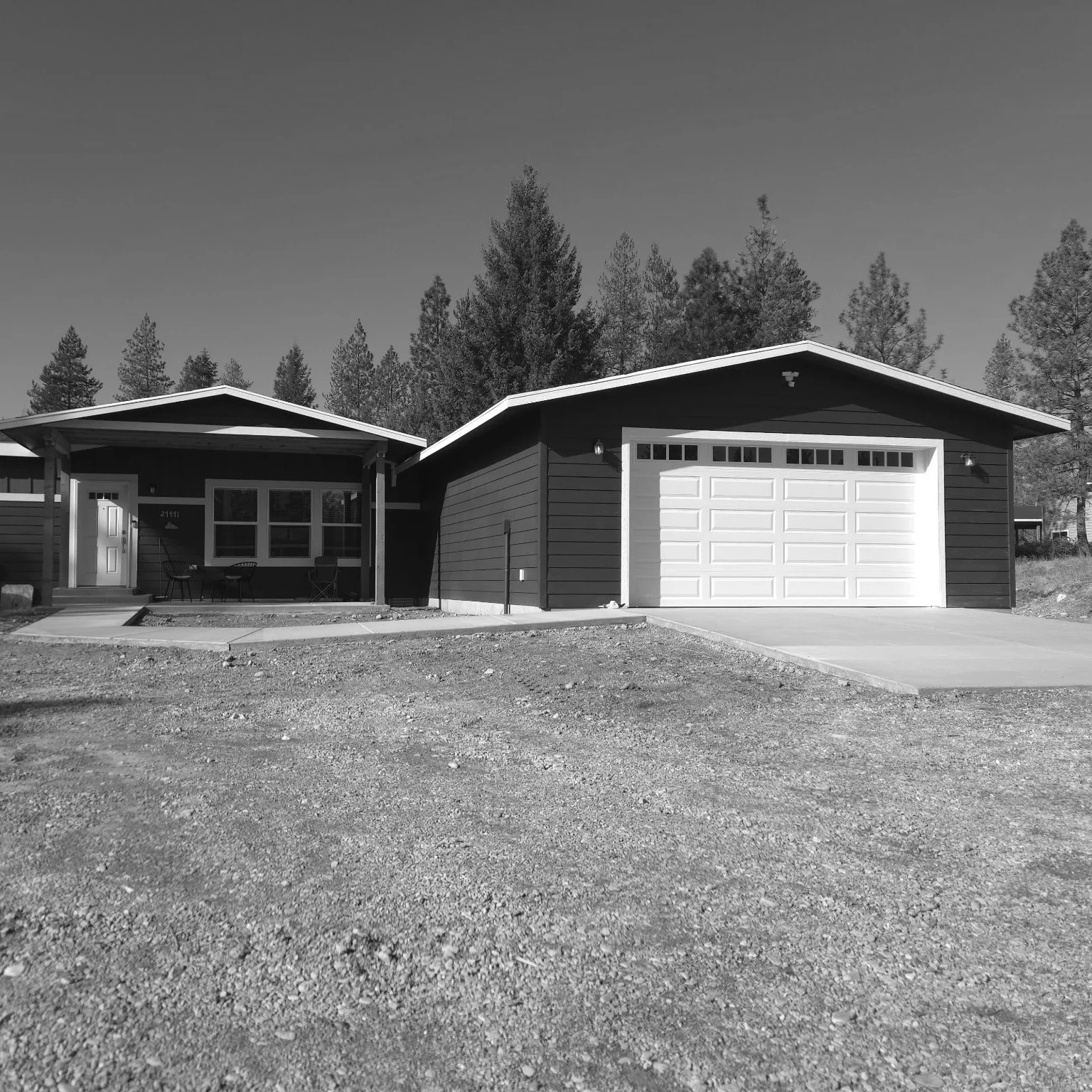
Planning a Major Home Remodel? 7 Decisions to Make Before Construction Begins
A major home remodel is exciting. You're finally getting the kitchen you've wanted, transforming an outdated bathroom, opening up your living space, or making changes that allow your home to work better for your family.
But before the demolition begins, there are some important decisions that need to happen first.
The planning stage of a remodel can have a bigger impact on the final result—and the final cost—than many homeowners realize. Taking the time to establish a clear plan can help prevent delays, unexpected expenses, and changes that become much more difficult once construction is underway.
If you're considering a major renovation, here are seven decisions worth making before construction begins.
1. Establish Your Budget
The first step isn't picking out tile or looking at paint colors. It's establishing a realistic budget for the entire project.
A remodeling budget should account for more than just labor and the obvious materials. Depending on the project, there may also be costs for permits, demolition, disposal, electrical or plumbing upgrades, structural work, fixtures, finishes, and other items that aren't always visible at the beginning.
It's also wise to leave room for the unexpected.
Older homes in particular can reveal surprises once walls, floors, or ceilings are opened up. Having a contingency built into the budget gives you some flexibility if an unforeseen issue comes up.
A good contractor can help you understand where your budget is likely to go and where you may want to prioritize your investment.
2. Clearly Define the Scope of Work
"Remodel the kitchen" sounds straightforward, but what does that actually include?
Are you replacing cabinets and countertops? Moving walls? Changing the flooring? Updating electrical? Adding lighting? Relocating plumbing? Replacing appliances? Painting? Installing new trim?
The more clearly the scope is defined before work begins, the easier it becomes to create an accurate estimate and schedule.
This is also the time to think about what you don't want to do.
If you're already opening walls for one part of the project, it may make sense to address certain related improvements at the same time. On the other hand, adding unrelated projects halfway through construction can quickly affect both the budget and timeline.
A clearly defined scope helps everyone start the project with the same expectations.
3. Think About the Layout Before the Finishes
It's easy to get excited about countertops, flooring, tile, cabinets, fixtures, and paint.
But the layout should come first.
Before choosing finishes, think about how you actually use the space.
Would moving a wall improve the flow? Would relocating a doorway make the room more functional? Does the kitchen have enough workspace? Is there adequate storage? Would changing the bathroom layout create a better shower or more useful vanity area?
These decisions are much easier to make on paper than after construction has started.
A high-quality remodel isn't simply about replacing old materials with new ones. It's an opportunity to make your home function better than it did before.
4. Choose Materials and Finishes Early
Once the scope and layout are established, it's time to start making material selections.
This includes things such as:
Flooring
Cabinets
Countertops
Tile
Plumbing fixtures
Lighting
Doors and trim
Paint colors
Hardware
Appliances
Making these decisions early can help prevent construction delays and allows the different elements of the project to work together.
It also helps with budgeting. A significant difference in price can exist between different materials that may look similar at first glance.
You don't necessarily need to choose the most expensive option. The goal is to select materials that fit your budget, your home, your lifestyle, and the overall design.
5. Understand Permits and Structural Requirements
Depending on the project, permits and inspections may be required.
Projects involving structural changes, electrical work, plumbing, additions, or significant alterations to a home can have requirements that need to be addressed before construction begins.
This is one reason working with an experienced general contractor can be valuable. A contractor can help identify what needs to be addressed during the planning process rather than discovering a permitting or code issue after work is already underway.
The exact requirements will depend on the location and the scope of the project, so it's important to address them early.
Permits aren't the most exciting part of remodeling, but they are an important part of doing the job correctly.
6. Choose the Right Contractor
Perhaps the most important decision you'll make is who will actually manage and perform the work.
For a major remodel, you're not simply hiring someone to complete a list of tasks. You're trusting a contractor with your home, your investment, your schedule, and your expectations.
When evaluating a contractor, look beyond the lowest number.
Ask about experience with projects similar to yours. Look at completed work. Read reviews. Make sure you understand what is included in the scope of work and how changes will be handled.
Communication matters, too.
A major renovation can involve dozens of decisions throughout the process. You want a contractor who will communicate clearly, explain issues when they arise, and keep the project moving forward.
The right contractor should feel like a partner in the project—not simply someone who shows up to perform the work.
7. Plan for Changes Before Construction Starts
Even the best-planned remodel can encounter surprises.
But there's a big difference between a necessary change and a change that could have been avoided with better planning.
Changing your mind about the layout after walls have been framed, ordering materials after construction has already started, or deciding to add another project halfway through can create additional labor, material costs, and delays.
That's why the planning stage is so important.
Walk through the project carefully before construction begins. Think about how you want the space to function. Make your major design and material decisions as early as practical. Ask questions about anything you don't understand.
The more decisions you can make before the first wall comes down, the fewer decisions you'll have to make while the crew is standing there waiting.
Don't Rush the Planning Stage
There can be a temptation to get started as quickly as possible once you've decided you're ready to remodel.
But spending a little more time planning can save significantly more time—and money—during construction.
A well-planned remodel has a clear scope, realistic budget, thoughtful layout, appropriate materials, necessary permits, and a contractor who understands the plan.
And perhaps most importantly, everyone involved knows what the finished project is supposed to look like.
Ready to Start Planning Your Remodel?
At Mr. Clean Fix, we believe a successful remodeling project starts long before construction begins.
Whether you're planning a kitchen or bathroom remodel, an addition, a whole-home renovation, or another major improvement, we're happy to discuss your goals and help you understand what goes into turning that idea into a finished project.
The best time to solve a remodeling problem is before construction begins.
If you're considering a major home remodel in Coeur d'Alene or the surrounding North Idaho area, contact Mr. Clean Fix to schedule a consultation.

New Month. Fresh Start. No More Waiting.
June is here.
Take a second and let that sink in.
The year is almost half over. Summer is arriving. The project you were going to tackle "this spring" is still sitting on the list.
Not because you don't care about it.
Not because it isn't important.
Life just has a way of moving the finish line.
There will always be another busy week. Another unexpected expense. Another reason to put it off until next month.
The truth is that most home projects don't happen because the timing is perfect. They happen because someone finally decides to stop waiting for perfect and start making progress.
A repaired deck means more summer evenings outside.
A remodeled bathroom means a better start to every day.
New flooring changes the way your entire home feels.
Small improvements have a way of improving more than just the house.
June offers something every homeowner gets exactly once: a fresh month and a clean page.
What you do with it is up to you.
One call. One project. One step forward.
What's it going to be?
📞 (208) 292-7204
🌐 mrcleanfix.com

When Winter Won’t Let Go: Preparing Your Home During That Awkward Almost-Spring Season
If you live in North Idaho, you know this moment well.
The calendar says spring is around the corner. The days are getting a little longer. You might even feel motivated to start planning yard projects.
Then you look outside…and there’s four inches of fresh snow.
Welcome to the not-winter, not-spring season.
This strange in-between time can feel like a pause button for homeowners. It’s too cold for many outdoor projects, but winter is clearly losing its grip. While it may not feel like the perfect time for big changes, it’s actually one of the best windows to finish the winter tasks that got pushed aside and start quietly preparing for spring.
At Mr. Clean Fix, we often see homeowners use this time to catch up on the small things that make a big difference once the weather truly warms up.
Finish the Winter Projects You Meant to Do
Every winter comes with a list of “I’ll get to that later” repairs.
Maybe it was a small leak.
A drafty window.
Loose trim.
A deck that needed sealing before the snow came.
Winter has a way of hiding those projects under layers of snow, holidays, and busy schedules.
Now is the perfect time to wrap those up before spring projects start competing for attention.
Common late-winter fixes include:
Sealing small roof or gutter leaks
Repairing damaged siding or trim
Replacing cracked caulking around windows and doors
Fixing small drywall damage from winter humidity shifts
Addressing minor plumbing or moisture issues
These smaller repairs prevent bigger problems once snow melts and spring rain arrive.
Check the Areas Winter Hits Hardest
Our winters can be beautiful, but they’re not exactly gentle on homes.
This is the time to take a quick look at the places that endure the most stress during the cold months.
Keep an eye on:
Decks and railings – Snow and ice can cause hidden moisture damage.
Gutters and downspouts – Ice buildup often loosens fasteners or causes small separations.
Walkways and steps – Freeze-thaw cycles can shift materials.
Exterior paint and caulking – Winter temperature swings can create cracks.
Catching these issues early helps avoid expensive repairs later in the year.
Start Planning Your Spring Projects Now
Even if the ground is still frozen, your spring project planning shouldn’t be.
In fact, this in-between season is the best time to start thinking about improvements like:
Deck repairs or resurfacing
Fence installation
Pergolas or patio structures
Exterior painting
Walkway upgrades
Outdoor living spaces
Planning early means materials can be ordered, designs finalized, and schedules set before the busy season hits.
Once the weather finally cooperates, you’ll be ready to move forward instead of starting from scratch.
The Hidden Advantage of This “In-Between” Season
While everyone waits for spring to arrive, homeowners who use this time wisely often end up ahead.
They finish the lingering winter repairs.
They plan their warm-weather projects.
And when the snow finally disappears, they’re ready to go.
That awkward moment between winter and spring may not feel exciting—but it’s actually one of the most productive times of the year for home maintenance and project planning.
And here in North Idaho, we all know one thing for sure:
Spring will get here eventually…even if winter throws one last snowstorm at us first.
Ready to Wrap Up Winter and Prepare for Spring?
If you have winter repairs you never got around to—or projects you want ready when spring arrives—Mr. Clean Fix can help.
From small fixes to bigger outdoor improvements, we’re happy to help homeowners get their homes ready for the season ahead.
Because when the snow finally melts, the best projects are the ones that are already planned.
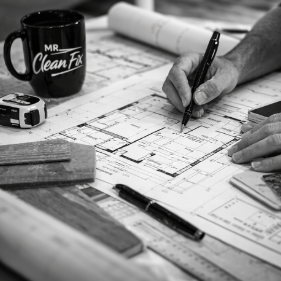
What Happens Behind the Scenes of a Remodeling Project
When homeowners picture a remodeling project, they usually imagine the exciting parts — demolition day, new cabinets arriving, fresh paint going on the walls, and the final reveal.
But what most people don’t see is everything happening behind the scenes to make that transformation possible.
At Mr. Clean Fix, a huge portion of our work happens before a single tool even comes out of the trailer. A successful remodel isn't just construction — it's planning, coordination, and problem-solving every step of the way.
Let’s pull back the curtain and show you what really goes on behind the scenes of a remodeling project.
1. The Planning Phase
Before we start building, we spend time making sure everyone is on the same page.
This includes:
• Meeting with the homeowner
• Understanding goals and budget
• Measuring and documenting the space
• Discussing materials and layout
• Identifying potential structural or layout challenges
This phase helps prevent surprises later. A good contractor doesn’t just start swinging a hammer — we make sure there’s a clear plan first.
2. Material Selection and Ordering
Many materials have lead times that homeowners don’t always expect.
Cabinets, flooring, tile, fixtures, and specialty items often need to be ordered weeks in advance. Part of our job is helping schedule the project around when those materials will arrive.
Behind the scenes we are:
• Checking product availability
• Coordinating deliveries
• Confirming measurements
• Making sure everything will fit and install properly
Getting this right keeps the project moving forward without unnecessary delays.
3. Scheduling and Coordination
A remodeling project is a bit like a puzzle. Different pieces need to happen in the right order.
For example:
Demo
Framing or structural changes
Plumbing and electrical
Insulation and drywall
Flooring and cabinets
Trim, paint, and finishes
If one step is delayed, it can affect everything that follows. Behind the scenes we’re constantly adjusting schedules and coordinating the next phase of work so the project stays on track.
4. Problem Solving (Because Every Remodel Has Surprises)
One thing we’ve learned from years in the field is that every house has a story.
Sometimes we open a wall and find:
• Old plumbing that needs replacement
• Wiring that isn’t up to code
• Hidden water damage
• Structural framing that needs correction
These aren’t things homeowners see during the planning stage, but they’re common in remodeling work. A big part of our job is solving these problems quickly while keeping you informed about the best path forward.
5. Communication with the Homeowner
Good communication is what keeps remodeling projects stress-free.
Behind the scenes we’re often:
• Updating homeowners on progress
• Discussing decisions that come up during construction
• Adjusting timelines if needed
• Making sure expectations stay clear on both sides
A remodel works best when the contractor and homeowner operate as a team.
6. The Final Details
The last stage of a project often takes the most patience.
This is when we focus on:
• Final trim work
• Touch-up paint
• Fixture installation
• Adjustments and fine-tuning
These details are what turn a construction site into a finished space you can enjoy every day.
The Truth About Remodeling
From the outside, a remodel can look like a fast transformation. But behind every successful project is a lot of planning, coordination, and experience.
When done right, the behind-the-scenes work is what keeps the project running smoothly and delivers a finished result that lasts for years.
At Mr. Clean Fix, we believe the best remodeling projects are built on clear communication, careful planning, and quality workmanship from start to finish.

The Contractor–Client Relationship: What Makes a Project Go Smoothly
Let’s be honest — remodeling isn’t just about lumber, tile, or paint colors.
It’s about people.
At Mr. Clean Fix, we’ve learned that the difference between a stressful project and a smooth one almost always comes down to one thing:
The relationship between contractor and client.
You can have the best materials in the world, but if communication breaks down or expectations aren’t aligned, the experience suffers. When the relationship is strong, though? Projects flow. Decisions get made faster. Problems get solved easier. And everyone walks away proud of the result.
Here’s what truly makes a contractor–client relationship work.
1. Clear Expectations From Day One
Smooth projects start before demo even begins.
That means:
Clear scope of work
Transparent pricing
Honest timelines
Defined responsibilities
When both sides understand exactly what’s included (and what’s not), there are fewer surprises later. Surprises are what derail budgets and moods.
We believe in putting everything in writing and walking through it together. It’s not about paperwork — it’s about clarity.
2. Communication That Goes Both Ways
The best projects feel like teamwork.
Clients should feel comfortable asking questions. Contractors should provide updates before they’re asked for them. If something changes — whether it’s material availability or an unexpected framing issue — it needs to be communicated quickly and clearly.
Silence creates stress.
Transparency builds trust.
Even tough conversations are easier when the foundation is strong.
3. Flexibility Without Chaos
Here’s the reality of remodeling:
Once walls open up, sometimes we find things.
Old wiring. Hidden water damage. Framing that doesn’t meet code. It happens.
A smooth project isn’t one without hiccups — it’s one where both contractor and client approach those hiccups with problem-solving energy instead of panic.
Flexibility matters. So does trust that your contractor is recommending solutions in your best interest, not upselling you.
4. Respect on Both Sides
This one is big.
Contractors are working in your home — that’s personal space. We respect that by:
Keeping work areas clean
Protecting flooring and furniture
Showing up when we say we will
Treating your home like it’s our own
On the flip side, smooth projects happen when clients respect:
Working hours
The process
The expertise they hired
Mutual respect changes everything.
5. Realistic Timelines & Decision-Making
One of the biggest project slowdowns? Delayed decisions.
Tile not picked.
Fixture undecided.
Paint color still “thinking about it.”
When selections are made on time, work keeps moving.
A good contractor will guide you through decision points ahead of schedule so you’re never rushed — but staying engaged on your end keeps momentum strong.
6. Trust the Process (and the Professionals)
There’s a reason you hired a contractor.
You don’t have to know how to sister joists or float drywall. That’s our job. What makes projects smooth is when clients trust the craftsmanship and the sequencing of the work.
And trust is earned — not assumed.
It’s built through communication, consistency, and integrity.
7. Shared Vision
The most satisfying projects happen when everyone is working toward the same outcome.
When contractor and client both care about the finished product — not just “getting it done” — the quality shows.
We love when clients are excited. That energy fuels the work.
The Bottom Line
A smooth project isn’t just about skill.
It’s about partnership.
At Mr. Clean Fix, we don’t see projects as transactions. We see them as collaborations. When expectations are clear, communication is open, and respect flows both ways, remodeling can actually be an enjoyable process.
And that’s always the goal.

Design Trends That Actually Add Value (And Ones That Don’t)
n the world of home remodeling, trends come and go faster than you can say “open concept.” While some updates can make your home more enjoyable—and more valuable—others can leave you with buyer hesitation and buyer’s remorse. Here’s a guide to which design trends truly add value and which are better left in Pinterest boards.
Trends That Actually Add Value
1. Timeless Kitchen Updates
Kitchens are the heart of the home, and investing wisely here pays off. Think neutral countertops (quartz is a favorite for durability), shaker-style cabinets, and modern, energy-efficient appliances. A fresh backsplash or upgraded hardware can make a big visual impact without over-customizing.
2. Functional Bathrooms
Buyers love bathrooms that are practical and modern. Walk-in showers with glass doors, double vanities in master bathrooms, and updated fixtures give a polished look without going overboard. Avoid over-personalized tile patterns or bold colors that might not appeal to the masses.
3. Smart Storage Solutions
Built-in shelving, mudrooms with cubbies, and pantry organizers might not be flashy, but they scream “functional and well thought-out.” Storage upgrades often resonate with buyers, especially in family homes.
4. Outdoor Living Spaces
A usable, low-maintenance deck, patio, or porch can increase your home’s appeal. Think of a space where people can gather comfortably—not necessarily a full-blown outdoor kitchen unless it fits your neighborhood’s market.
5. Energy Efficiency
Smart thermostats, efficient HVAC systems, and double-pane windows can make a home feel modern and responsible. Buyers love the idea of saving money and reducing environmental impact.
Trends That Often Don’t Add Value
1. Over-the-Top Customizations
While a bright purple accent wall or a themed “Star Wars” bathroom might be fun for you, it’s unlikely to resonate with buyers. Stick to neutral palettes for long-term value.
2. Ultra-Luxury Features in Mid-Range Homes
Think home theaters, indoor pools, or extravagant wine cellars in an average neighborhood. These can price a home out of the market and don’t usually give you a dollar-for-dollar return.
3. Niche Flooring Choices
Trendy options like bright-colored epoxy floors or unusual tile patterns may be eye-catching, but they can also turn buyers off. Neutral, durable, and easy-to-clean flooring usually wins.
4. Obscure Materials or Finishes
Exotic woods, neon-colored cabinets, or overly shiny metals might look cool now, but trends fade. Stick with classic finishes that are easier to maintain and appeal to a wider audience.
5. Excessive Open Concept
While open floor plans are popular, completely removing walls in older homes can disrupt the natural flow and feel of the home. Balance openness with functional spaces.
The Bottom Line
Trends aren’t inherently bad—but when it comes to home value, it pays to invest in updates that enhance functionality, longevity, and broad appeal. Think: timeless, practical, and neutral. The trick is knowing the difference between a statement that will wow buyers and one that will make them scroll past your listing.

Remodel Now or Wait? How to Know When It’s Time to Invest in Your Home
One of the most common questions we hear is this:
“Should we remodel now… or wait?”
It’s a fair question. Remodeling is an investment — financially, emotionally, and logistically. And timing matters.
But here’s the truth most homeowners don’t realize:
The right time isn’t just about the market.
It’s about your life.
Let’s break this down in a way that actually helps you decide.
Market Timing vs. Personal Timing
Everyone wants to “time it right.”
Interest rates.
Material costs.
Housing values.
Economic headlines.
Yes — those things matter.
But market timing only tells part of the story.
Market Timing
If:
Home values are strong
Inventory is low
You plan to sell in the near future
Strategic updates can increase resale appeal and ROI.
On the flip side, waiting for the “perfect” market moment can keep you stuck for years. Materials fluctuate. Labor fluctuates. Rates fluctuate. There is rarely a magical window where everything aligns perfectly.
Personal Timing (The One That Matters More)
Ask yourself:
Are you staying in this home 5+ years?
Is your current layout causing daily frustration?
Are you avoiding rooms in your own house?
Is maintenance starting to pile up?
If your home no longer supports your lifestyle, that’s personal timing speaking.
And personal timing usually outweighs market timing.
Because quality of life has value too.
Functional vs. Cosmetic Upgrades
Not all remodels are created equal.
Understanding the difference can clarify whether you should move now or wait.
Functional Upgrades (Usually Shouldn’t Wait)
These impact safety, structure, efficiency, or daily usability:
Failing decks or stairs
Water damage
Drafty windows
Electrical or plumbing issues
Layouts that no longer work for your family
Delaying these can compound problems — and costs.
Functional upgrades often prevent larger expenses later.
Cosmetic Upgrades (Sometimes Can Wait)
These improve aesthetics but not function:
Cabinet color changes
Decorative tile swaps
Trend-driven finishes
Minor trim updates
If your home works well but just feels outdated, you may have flexibility.
But here’s something to consider:
Living in a space you dislike has a cost too. It affects how you host, relax, and enjoy your home.
Sometimes “cosmetic” is actually emotional functionality.
When Waiting Actually Costs More
Waiting feels safe.
But it isn’t always cheaper.
Here’s when delay becomes expensive:
1. Small Issues Turn Into Big Repairs
A minor moisture issue becomes structural damage.
A soft board becomes a rebuild.
A draft becomes long-term energy loss.
Preventative remodeling often costs less than reactive repairs.
2. Phased Projects Cost More Long-Term
Doing a kitchen in three separate waves over five years usually costs more than planning it correctly from the start.
Mobilization, material changes, labor fluctuations — they add up.
3. Material & Labor Rarely Go Backwards
While prices fluctuate, long-term trends generally rise.
Waiting five years hoping costs will drop significantly isn’t typically how the industry behaves.
4. You Lose Years of Enjoyment
This one doesn’t show up on spreadsheets.
If you plan to stay in your home, upgrading sooner means:
More years enjoying it
Less daily frustration
Better functionality for your family now — not someday
Time in a better space has value.
So… Remodel Now or Wait?
Here’s a simple framework:
Remodel now if:
There are functional or structural concerns
Your layout no longer fits your life
You’re staying long-term
Delaying increases repair risk
Consider waiting if:
It’s purely trend-driven
You may sell very soon
The space works fine functionally
You need more financial cushion first
The key is clarity.
A thoughtful consultation and honest evaluation can remove the guesswork.
At Mr. Clean Fix, we don’t push projects. We help homeowners make smart decisions — even if that means waiting.
Because the right time isn’t about pressure.
It’s about readiness.
If you’re unsure where your project falls, we’re happy to talk it through.
Sometimes clarity is the most valuable part of the process.

Winter Walkthroughs: What We Look For (and What Homeowners Should Expect)
Winter isn’t just about snow, ice, and cozy nights inside—it’s also one of the most important times of year to evaluate your home. And with Punxsutawney Phil seeing his shadow this Groundhog Day, we’re officially in for six more weeks of winter, which makes winter walkthroughs even more valuable.
At Mr. Clean Fix, winter walkthroughs help us spot issues before they turn into expensive spring surprises. Cold temperatures, snow load, and freeze–thaw cycles can expose weaknesses that stay hidden the rest of the year.
Here’s what we’re looking for—and what you can expect during a winter walkthrough.
Why Winter Is a Smart Time for a Walkthrough
Winter stresses a home in ways no other season does:
Materials contract and expand
Snow and ice test roofs and drainage
Moisture finds every tiny weakness
Heating systems work overtime
If something is going to fail, winter often shows us early warning signs.
Think of a winter walkthrough as preventative maintenance—not doom and gloom, just smart planning.
What We Look For During a Winter Walkthrough
🏠 Roof & Exterior
Winter conditions quickly reveal roof and siding issues. We check for:
Ice dams or uneven snow melt
Missing, cracked, or lifted shingles
Loose or damaged siding
Signs of wind damage
Gutter performance and ice buildup
These clues tell us how your home handles moisture and snow load.
💧 Moisture & Water Intrusion
Water is sneaky—especially in winter. We’re looking for:
Interior water staining on ceilings or walls
Condensation buildup
Drafty windows or doors
Signs of leaks around penetrations and flashing
Catching moisture issues now can prevent mold, rot, and major repairs later.
🔥 Insulation & Heat Loss
If your heating bill feels painful, there’s usually a reason.
We look for:
Cold spots and drafts
Poor attic insulation
Unsealed penetrations
Inefficient windows or doors
Winter walkthroughs help pinpoint where heat is escaping—and where upgrades will give the biggest return.
🧱 Foundations, Decks & Structural Areas
Freeze–thaw cycles can shift and stress structures. We check:
Foundation cracks or movement
Deck posts and footings
Stair stability
Exterior trim and fascia
Small issues now are far easier (and cheaper) to address before spring.
What Homeowners Can Expect
A winter walkthrough isn’t about pressure or panic—it’s about information.
You can expect:
Honest feedback on current conditions
Identification of urgent vs. “plan-for-later” items
Recommendations for temporary winter fixes if needed
Ideas for spring projects based on what we see now
Sometimes the result is peace of mind. Sometimes it’s a smart plan. Either way, you’re ahead of the game.
Groundhog Day & Six More Weeks of Winter 🐿️❄️
With Phil predicting six more weeks of winter, now’s the perfect time to ask:
Is your home ready to handle the rest of the season?
Winter walkthroughs help ensure your home makes it through the cold months safely—and comes out the other side ready for spring projects instead of emergency repairs.
Thinking ahead beats fixing behind.
If winter has taught us anything, it’s that your home always tells a story—we just know how to read the signs.

Motivation Monday: Why Waiting Until Spring Can Cost You More (When It’s 20° Outside)
When it’s 20 degrees outside, the last thing anyone wants to think about is home repairs. But here’s the hard truth:
Cold weather doesn’t pause problems—it makes them worse.
If you’re waiting for spring, you may already be paying for it.
Cold Temps Expose Weak Spots ❄️
At 20°, materials contract, seals fail, and moisture finds every tiny opening. That small leak, drafty window, or soft board you’ve been ignoring is under maximum stress right now.
What starts as a minor issue in winter often shows up in spring as:
Rot or water damage
Mold from trapped moisture
Higher-than-normal heating bills
Freeze–Thaw Damage Adds Up 🧊➡️💧
When temperatures swing above and below freezing, water expands and contracts inside cracks and gaps. Over time, that means bigger cracks, loosened fasteners, and accelerated wear—especially on decks, siding, and exterior trim.
Spring Repairs Cost More 🌷
Once the weather warms up, everyone calls at once. Crews book out fast, material costs fluctuate, and projects get rushed. Waiting until spring often means paying more and waiting longer.
Emergency Repairs Don’t Care About the Weather 🚨
When something fails in freezing temps, it’s rarely convenient—or cheap. Emergency calls, temporary fixes, and cold-weather damage control add stress and cost that could’ve been avoided.
Motivation Monday Takeaway 💡
When it’s 20° outside, the smartest move isn’t ignoring the problem—it’s getting ahead of it.
Progress sometimes looks like handling things before they become urgent.
Your home—and your wallet—will thank you come spring.
Small Home Projects That Make a Big Difference (Without Breaking the Bank)
When people think of home improvement, they often picture major remodels, blown budgets, and weeks of disruption. But some of the most noticeable upgrades don’t require a renovation loan—or even a full weekend.
Here are smart, often-overlooked home projects that deliver big visual and functional wins without draining your wallet.
1. Swap Builder-Grade Trim (Selectively)
You don’t need to replace all your trim. Focus on:
Front entry door
One high-visibility room (living room or hallway)
Baseboards on a single main wall
Upgrading just these areas with slightly taller or more detailed trim instantly makes a home feel more custom—without the cost of whole-house replacement.
Why it works: Your eye reads detail, not square footage.
2. Upgrade Interior Doors—Without Replacing Them
Instead of buying new doors:
Add panel molding to flat doors
Replace hinges and knobs with matte black or brushed brass
Paint doors a contrasting color (soft black, warm greige, deep green)
This gives you a custom door look for a fraction of the price.
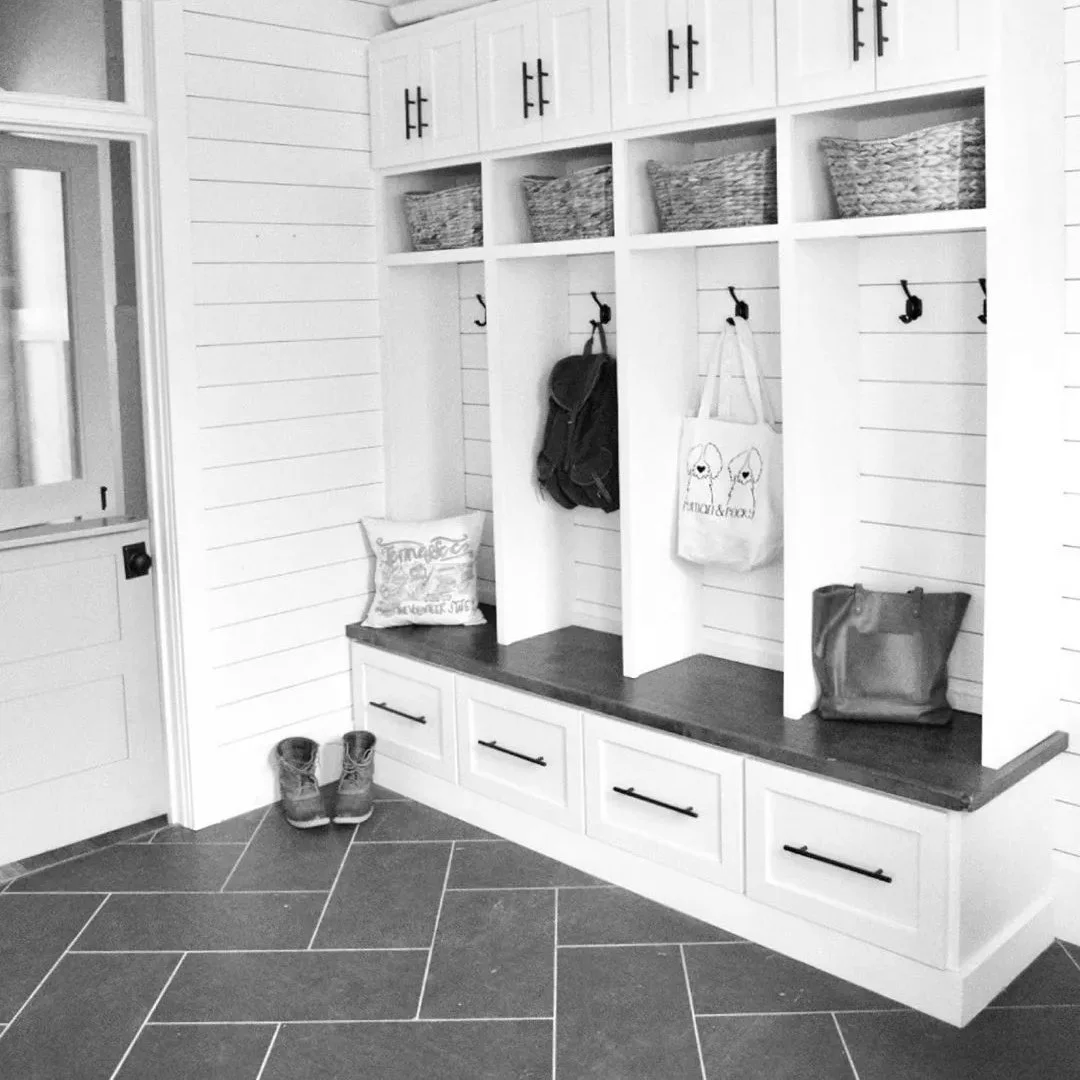
3. Add a “Drop Zone” Where Chaos Lives
Most homes lack a proper landing spot for keys, bags, and mail.
A simple combo of:
Wall hooks
A narrow shelf
Small bench or shoe tray
…can completely change how an entryway functions.
Bonus: It makes your house feel instantly more organized—even if the rest of it isn’t (yet).
4. Replace Just the Faucet (Not the Whole Fixture)
In kitchens and bathrooms, swapping:
Sink faucet
Showerhead
Tub spout
can modernize the entire space without touching tile, counters, or cabinets.
This is one of the highest ROI upgrades per dollar spent.
5. Add Soft-Close Where You Least Expect It
Soft-close hinges and drawer slides aren’t just for kitchens.
Try them in:
Bathroom vanities
Linen closets
Pantry cabinets
It’s a small luxury detail that people feel every day—even if they can’t put their finger on why the space feels better.
6. Exterior Focus: One Small Area, Fully Finished
Instead of spreading money thin across the yard, pick one exterior feature and finish it well:
Pressure wash + seal a small deck
Paint just the front door and trim
Add lighting to one walkway
A single polished exterior feature boosts curb appeal more than multiple half-done projects.
7. Replace Vent Covers, Switch Plates & Registers
Old plastic covers age a house fast.
Swapping these for:
Metal vent covers
Matching switch plates
Low-profile designs
is inexpensive, fast, and surprisingly impactful.
Think of it as jewelry for your walls.
8. Fix the “Almost Broken” Things
These are the things homeowners live with far too long:
Doors that don’t latch properly
Loose railings
Cabinets that sag
Fence panels that lean
They don’t scream “renovation,” but fixing them makes a home feel solid, cared for, and safe.
9. Add Lighting Where There Is None
Instead of rewiring:
Install plug-in sconces
Add under-cabinet lighting
Use motion-sensor lights in closets or hallways
Good lighting changes how a space feels more than almost anything else.
10. Refresh One Room’s “Finish Palette”
Pick one room and unify:
Hardware finishes
Paint tones
Light temperature (warm vs cool bulbs)
When finishes match intentionally, the room feels designed—even if everything else stayed the same.
Small Projects. Smart Impact.
Home improvement doesn’t have to be all-or-nothing. Strategic, well-chosen small projects can:
Improve daily function
Increase resale appeal
Make your home feel more “you”
And most importantly—they don’t require tearing your house apart.
If you’re not sure which small upgrades will give your home the biggest return, that’s where we come in.

Community First: Our New Referral Approach
Referrals are changing.
People don’t make decisions the same way they used to — and honestly, that’s not a bad thing. Homeowners want time to think, space to plan, and zero pressure along the way.
At Mr. Clean Fix, we believe a referral shouldn’t come with expectations or awkward follow-ups. It should simply be about trust — and that trust deserves to be appreciated, whether a project moves forward immediately or not.
That’s why we redesigned our referral program to reward effort, not just signed contracts.
Why We Rethought Referrals
Word-of-mouth has always been the backbone of local businesses like ours. When someone shares our name with a friend or neighbor, they’re putting their trust on the line — and that matters.
But not every referral turns into a project right away. Some homeowners are still gathering ideas, comparing options, or waiting for the right time. We don’t believe that makes the referral any less valuable.
So instead of a traditional referral program that only rewards completed jobs, we built something more realistic, flexible, and fair.
Introducing Our Community Appreciation Drawing
Twice a year, we hold a Community Appreciation Drawing to thank the people who help keep our business growing — even in small ways.
🏆 Grand Prize (1 Winner)
$250 gift card to a local small business
$250 credit toward a future Mr. Clean Fix project
🎁 Secondary Winners (3–5 Winners)
Two $50 gas cards
Additional gift cards ranging from $15–$50
(local restaurants, shops, and everyday essentials)
The number of secondary winners depends on total participation — the more entries, the more winners we draw.
How to Earn Entries (No Pressure, Ever)
We keep this simple and transparent.
✅ 1 Entry — Pass Along Our Name
Earn one entry when:
You share our name with someone who may need our services
OR you send us their name and contact information with permission
No obligation. No follow-ups required.
🤝 2 Entries — Scheduled Consultation
Earn two entries when:
Your referral schedules and completes a consultation or estimate
This rewards real intent — even if they decide to wait or go another direction.
🛠️ 3 Entries — Project on the Books
Earn three entries when:
Your referral books a project and gets on the schedule
Entries stack, meaning one referral can earn up to six total entries if they move through each step.
Why This Approach Works
This program was designed to respect everyone involved.
It removes pressure from the person making the referral
It honors trust, not just transactions
It gives more people a chance to win
It supports other local small businesses
It allows us to give back in a way we can sustain long-term
Most importantly, it keeps relationships front and center.
When Are the Drawings Held?
We hold the drawings twice a year:
June
December
Winners are announced publicly (with permission), and prizes are awarded shortly after each drawing.
Want to Participate?
If you’ve ever:
Shared our name
Encouraged someone to reach out
Talked about a project we helped with
…you’re already doing what this program is built around.
To earn entries, you can:
Message us directly
Submit a referral through our website
Have your referral mention your name when they contact us
That’s it.
Thank You for Being Part of Our Community
We’re grateful for the trust our customers and neighbors place in us. This referral program is just one small way we can say thank you — thoughtfully, intentionally, and community-first.

Winter Is the Best Time to Plan (and Sometimes Start) Your Remodel
Winter Is the Best Time to Plan (and Sometimes Start) Your Remodel
Winter has a reputation for being the off-season for home improvement. The weather slows things down, holidays drain budgets, and many homeowners decide to “wait until spring.” But in reality, winter can be one of the smartest times to plan — and in some cases even begin — a remodel.
If you’ve been thinking about a project but haven’t taken the first step yet, January might actually be working in your favor.
Planning Doesn’t Have a Season
Even if construction waits for warmer weather, planning never should. Winter is ideal for:
Talking through ideas and options
Reviewing layouts and functionality
Creating realistic scopes of work
Identifying hidden issues before they worsen
Locking in timelines before spring schedules fill
By the time spring arrives, homeowners who waited are just starting the conversation — while those who planned during winter are already on the schedule.
Interior Projects Don’t Stop for Cold Weather
Many of the most impactful remodels are interior projects, which are largely unaffected by winter conditions.
Winter-friendly projects include:
Bathroom remodels
Kitchen updates
Basement finishing or repairs
Flooring installation
Trim, doors, and carpentry work
Drywall, paint, and layout changes
These projects can move forward now, helping you actually enjoy the results instead of waiting another season.
Winter Reveals Problems You Can’t See in Summer
Cold weather has a way of exposing issues that often go unnoticed:
Moisture intrusion and leaks
Drafts and insulation failures
Condensation and ventilation problems
Water damage that shows up after snow or ice
Addressing these issues early can prevent more expensive repairs later — and often changes the scope of future remodeling plans for the better.
More Availability, Better Conversations
Spring and summer schedules fill quickly. Winter allows for:
More flexible scheduling
Better communication and planning time
Thoughtful decision-making instead of rushed choices
Instead of scrambling to book during peak season, winter gives you space to make decisions that truly fit your home and your budget.
Planning Now Means Building Forward
Even if your project doesn’t start tomorrow, planning now means:
Clear expectations
Fewer surprises
Smoother timelines
A stronger outcome overall
A remodel shouldn’t feel rushed or reactive. Winter planning puts you in control.
A Smarter Way to Start the Year
If improving your home is part of your 2026 goals, winter is not a setback — it’s an advantage.
Whether you’re ready to start an interior project or simply want to plan for warmer months, this is the time to start the conversation.
Thinking about a remodel this year? Let’s talk through your ideas, timelines, and options — and build a plan that moves you forward.