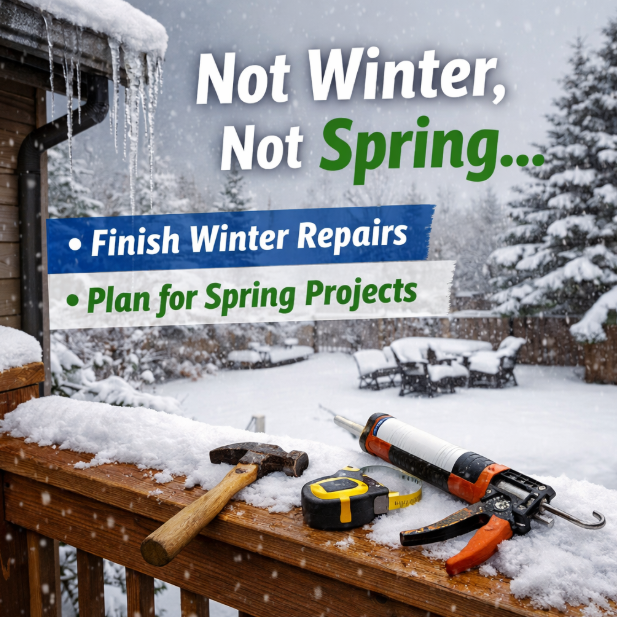
When Winter Won’t Let Go: Preparing Your Home During That Awkward Almost-Spring Season
If you live in North Idaho, you know this moment well.
The calendar says spring is around the corner. The days are getting a little longer. You might even feel motivated to start planning yard projects.
Then you look outside…and there’s four inches of fresh snow.
Welcome to the not-winter, not-spring season.
This strange in-between time can feel like a pause button for homeowners. It’s too cold for many outdoor projects, but winter is clearly losing its grip. While it may not feel like the perfect time for big changes, it’s actually one of the best windows to finish the winter tasks that got pushed aside and start quietly preparing for spring.
At Mr. Clean Fix, we often see homeowners use this time to catch up on the small things that make a big difference once the weather truly warms up.
Finish the Winter Projects You Meant to Do
Every winter comes with a list of “I’ll get to that later” repairs.
Maybe it was a small leak.
A drafty window.
Loose trim.
A deck that needed sealing before the snow came.
Winter has a way of hiding those projects under layers of snow, holidays, and busy schedules.
Now is the perfect time to wrap those up before spring projects start competing for attention.
Common late-winter fixes include:
Sealing small roof or gutter leaks
Repairing damaged siding or trim
Replacing cracked caulking around windows and doors
Fixing small drywall damage from winter humidity shifts
Addressing minor plumbing or moisture issues
These smaller repairs prevent bigger problems once snow melts and spring rain arrive.
Check the Areas Winter Hits Hardest
Our winters can be beautiful, but they’re not exactly gentle on homes.
This is the time to take a quick look at the places that endure the most stress during the cold months.
Keep an eye on:
Decks and railings – Snow and ice can cause hidden moisture damage.
Gutters and downspouts – Ice buildup often loosens fasteners or causes small separations.
Walkways and steps – Freeze-thaw cycles can shift materials.
Exterior paint and caulking – Winter temperature swings can create cracks.
Catching these issues early helps avoid expensive repairs later in the year.
Start Planning Your Spring Projects Now
Even if the ground is still frozen, your spring project planning shouldn’t be.
In fact, this in-between season is the best time to start thinking about improvements like:
Deck repairs or resurfacing
Fence installation
Pergolas or patio structures
Exterior painting
Walkway upgrades
Outdoor living spaces
Planning early means materials can be ordered, designs finalized, and schedules set before the busy season hits.
Once the weather finally cooperates, you’ll be ready to move forward instead of starting from scratch.
The Hidden Advantage of This “In-Between” Season
While everyone waits for spring to arrive, homeowners who use this time wisely often end up ahead.
They finish the lingering winter repairs.
They plan their warm-weather projects.
And when the snow finally disappears, they’re ready to go.
That awkward moment between winter and spring may not feel exciting—but it’s actually one of the most productive times of the year for home maintenance and project planning.
And here in North Idaho, we all know one thing for sure:
Spring will get here eventually…even if winter throws one last snowstorm at us first.
Ready to Wrap Up Winter and Prepare for Spring?
If you have winter repairs you never got around to—or projects you want ready when spring arrives—Mr. Clean Fix can help.
From small fixes to bigger outdoor improvements, we’re happy to help homeowners get their homes ready for the season ahead.
Because when the snow finally melts, the best projects are the ones that are already planned.
The Hidden Damage Winter Reveals Inside Your Home
Winter has a way of exposing things we don’t always notice the rest of the year. When the temperatures drop and your home is sealed up tight, small issues that were easy to ignore in summer suddenly make themselves known.
Sometimes winter damage isn’t loud or dramatic. It’s quiet. Subtle. And if left unchecked, it can turn into costly repairs by spring.
Here’s what winter often reveals inside your home—and why now is the right time to pay attention.
1. Drafts You Didn’t Know You Had
Cold air has a talent for finding the smallest gaps. Windows, doors, baseboards, and even electrical outlets can become entry points.
Signs to watch for:
Cold spots near walls or floors
Curtains moving when windows are closed
Higher-than-normal heating bills
What feels like “just winter” is often lost energy—and money—leaking out of your home.
2. Moisture Where It Doesn’t Belong
Winter creates condensation, especially in bathrooms, kitchens, basements, and poorly ventilated areas. Over time, that moisture can lead to:
Peeling paint
Soft drywall
Hidden mold growth
Swollen trim or flooring
Moisture problems rarely fix themselves—and winter is usually when they first show up.
3. Cracks That Grow Under Pressure
Your home expands and contracts with temperature changes. That movement can make existing cracks worse or create new ones.
Common areas:
Ceiling seams
Door and window frames
Tile grout or caulk lines
What starts as cosmetic can eventually affect structural integrity if ignored long enough.
4. Flooring That Tells a Story
Cold air and dry heat can wreak havoc on flooring.
You may notice:
LVP or laminate separating
Hardwood gaps widening
Tile grout cracking
These signs often point to subfloor movement, moisture imbalance, or installation issues that winter makes impossible to hide.
5. Slow Drains & Plumbing Red Flags
Winter puts extra stress on plumbing systems. Cold temperatures can reveal:
Partial clogs
Venting issues
Pipes that weren’t properly insulated
If drains are slower than usual or you’re noticing new smells, it’s worth addressing before spring thaw makes things worse.
Why Winter Is the Best Time to Catch These Issues
When life slows down and projects aren’t stacked back-to-back, winter becomes the perfect season to:
Identify small problems early
Plan smart repairs or remodels
Avoid emergency fixes later
By the time spring hits, contractors are booked—and minor issues have a habit of turning major.
What to Do Next
You don’t need to panic or tackle everything at once. Start by:
Walking through your home with fresh eyes
Noting anything that changed this winter
Asking questions before damage spreads
And if you’re not sure what you’re looking at, that’s where we come in.
One Last Thing…
We’ve been working on something new behind the scenes—something designed to reward the people who already support and refer us. 👀
We’ll be sharing details this Monday, and if you’ve ever passed our name along (or thought about it), you’ll want to keep an eye out.
Winter reveals a lot. Sometimes it even reveals opportunities.

Winter Is the Best Time to Plan (and Sometimes Start) Your Remodel
Winter Is the Best Time to Plan (and Sometimes Start) Your Remodel
Winter has a reputation for being the off-season for home improvement. The weather slows things down, holidays drain budgets, and many homeowners decide to “wait until spring.” But in reality, winter can be one of the smartest times to plan — and in some cases even begin — a remodel.
If you’ve been thinking about a project but haven’t taken the first step yet, January might actually be working in your favor.
Planning Doesn’t Have a Season
Even if construction waits for warmer weather, planning never should. Winter is ideal for:
Talking through ideas and options
Reviewing layouts and functionality
Creating realistic scopes of work
Identifying hidden issues before they worsen
Locking in timelines before spring schedules fill
By the time spring arrives, homeowners who waited are just starting the conversation — while those who planned during winter are already on the schedule.
Interior Projects Don’t Stop for Cold Weather
Many of the most impactful remodels are interior projects, which are largely unaffected by winter conditions.
Winter-friendly projects include:
Bathroom remodels
Kitchen updates
Basement finishing or repairs
Flooring installation
Trim, doors, and carpentry work
Drywall, paint, and layout changes
These projects can move forward now, helping you actually enjoy the results instead of waiting another season.
Winter Reveals Problems You Can’t See in Summer
Cold weather has a way of exposing issues that often go unnoticed:
Moisture intrusion and leaks
Drafts and insulation failures
Condensation and ventilation problems
Water damage that shows up after snow or ice
Addressing these issues early can prevent more expensive repairs later — and often changes the scope of future remodeling plans for the better.
More Availability, Better Conversations
Spring and summer schedules fill quickly. Winter allows for:
More flexible scheduling
Better communication and planning time
Thoughtful decision-making instead of rushed choices
Instead of scrambling to book during peak season, winter gives you space to make decisions that truly fit your home and your budget.
Planning Now Means Building Forward
Even if your project doesn’t start tomorrow, planning now means:
Clear expectations
Fewer surprises
Smoother timelines
A stronger outcome overall
A remodel shouldn’t feel rushed or reactive. Winter planning puts you in control.
A Smarter Way to Start the Year
If improving your home is part of your 2026 goals, winter is not a setback — it’s an advantage.
Whether you’re ready to start an interior project or simply want to plan for warmer months, this is the time to start the conversation.
Thinking about a remodel this year? Let’s talk through your ideas, timelines, and options — and build a plan that moves you forward.
Project Spotlight: A Bigger, Better Deck—Built Right, Even in Winter
Not every project wraps up under blue skies and summer sunshine.
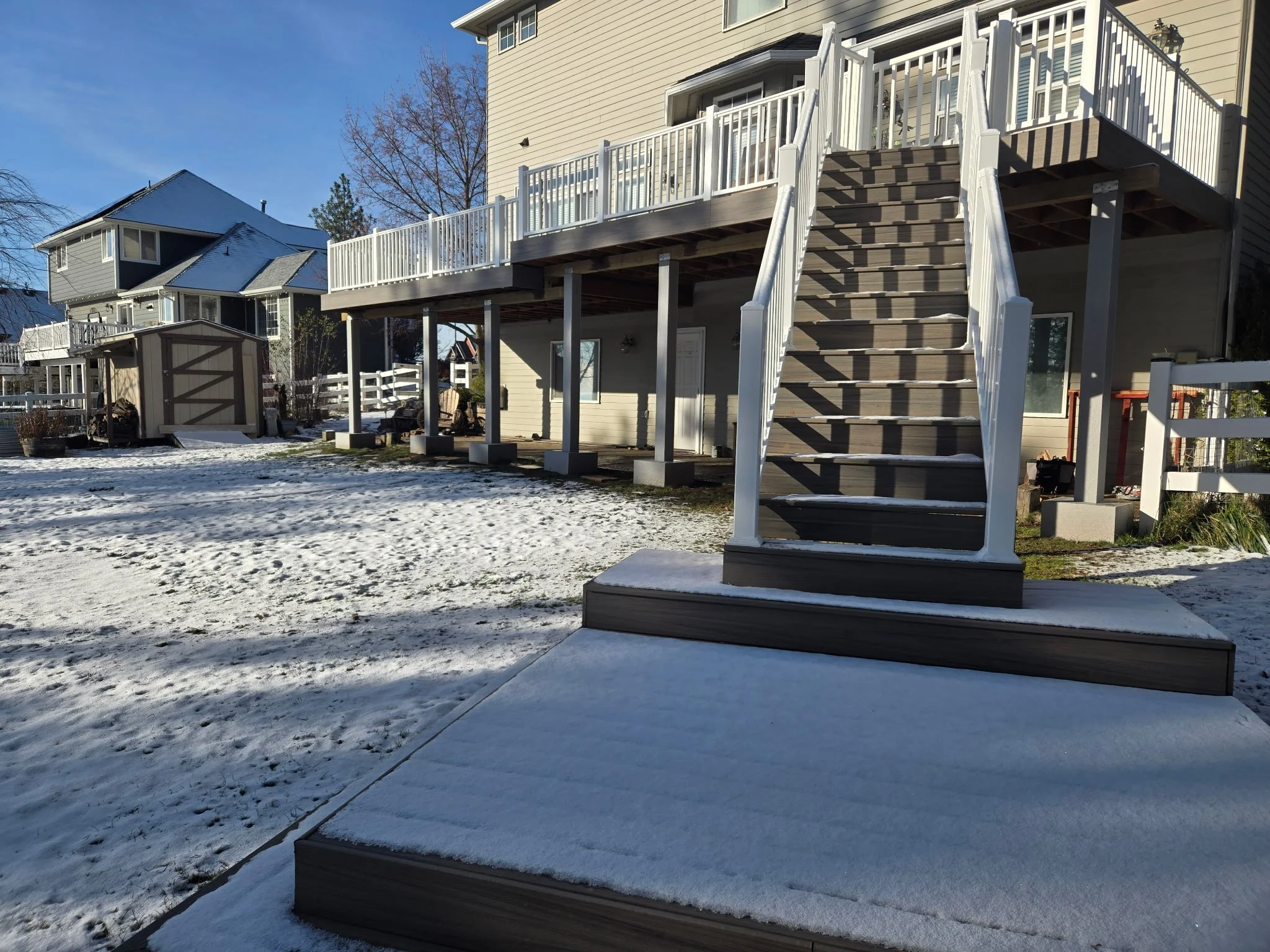
This one finished in winter—snow on the ground, cold air in the trees—and that’s okay. Because what matters most isn’t how a project photographs, but how it’s built.
This deck replacement was about more than new boards and railings. It was about correcting damage, improving flow, and creating a structure that will last for years to come.
The Starting Point: An Aging Deck with Hidden Issues
The original deck had reached the end of its lifespan.
Beyond surface wear, there were underlying problems that couldn’t be ignored—water damage, compromised areas near the house, and a layout that no longer served the homeowners well.
Before anything new could go in, the old deck had to come down.
Tear Down & Repair: Fixing What Water Left Behind
Once demolition began, water damage around the home became fully visible.
This allowed us to:
Remove damaged materials
Repair affected areas properly
Install custom siding to protect and seal the home correctly
Skipping this step would have meant building new over old problems—and that’s never an option. Fixing the structure first ensures the new deck performs the way it should.
The Build: A Rocky Harbor Deck Designed to Improve the Space
With repairs complete, construction began on the new deck system.
The homeowners chose a Rocky Harbor deck with matching rails, creating a clean, durable finish that works beautifully with the home’s exterior.
Key upgrades included:
A deck three feet wider than the original, increasing usable space
A center step-down, improving flow and accessibility
New railings for safety and visual balance
The expanded footprint alone made a noticeable difference in how the deck feels and functions.
Stairs & Lower Deck: Completing the Connection to the Yard
The project didn’t stop at the upper deck.
We also built:
New stairs, designed for comfort and safe use
A bottom deck, creating a natural transition between the home and the yard
These additions transformed the deck from a single platform into a connected outdoor space that works from top to bottom.
Finished in Snow, Built for All Seasons
Yes—by the time the project wrapped up, snow had arrived.
While the winter setting may hide some details, it also highlights something important: this deck was built to withstand real conditions. Cold, moisture, and seasonal changes were all considered in the materials and construction.
Come spring, this space will truly shine—but it’s already doing exactly what it was built to do.
Why This Project Matters
This deck replacement is a great example of what we believe in:
Tear it down when it’s time
Fix hidden damage the right way
Build bigger, better, and smarter
Never rush craftsmanship—even when the weather changes
We’re proud of how this project came together, snow and all.

Friday Winter Comfort Updates: Cozy Projects to Tackle Indoors
Winter is the season where home becomes more than a place—it becomes a sanctuary. As temperatures drop and daylight fades early, this is the perfect time to turn your attention to those indoor projects you've been meaning to tackle. Whether you're looking to improve comfort, elevate style, or simply beat the winter blues with productivity, a few simple upgrades can make your home feel warmer, cozier, and more functional all season long.
Here are some winter-friendly projects that deliver big impact without needing to brave the cold:
1. Refresh Your Interior Paint Colors
A new coat of paint is one of the quickest ways to transform a room—and winter is a great time to do it. Choose warm, inviting tones like soft taupe, creamy whites, warm grays, or cozy greens to instantly boost comfort. Modern low-VOC paints also allow for safer indoor application.
2. Upgrade Your Lighting for a Warmer Glow
Shorter days = more reliance on interior lighting. Swap out harsh bulbs for warm-temperature LEDs, add floor lamps to dark corners, or install dimmers to adjust the vibe from productive to peaceful. Lighting has a major effect on mood—especially during winter months.
3. Install New Trim or Accent Walls
Crown molding, baseboards, shiplap accents, or board-and-batten walls make a room feel finished and refined. These projects stay completely indoors and can dramatically change the look of your living room, bedroom, or hallway.
4. Tackle That Tile Project
Bathrooms and kitchens see a lot of use during the winter months. Retiling a backsplash, replacing damaged grout, or installing new floor tile are great indoor projects that add value and style—without exposing you to the cold.
5. Enhance Storage & Organization
Winter means layers, blankets, boots, and holiday décor—which all need storage. Custom shelving, closet upgrades, built-ins, or pantry reorganizations can make your daily routines smoother and keep your spaces clutter-free.
6. Update Interior Doors or Hardware
Sometimes the smallest updates pack the biggest punch. Swapping out old doors, upgrading knobs and hinges, or adding modern hardware can refresh your home without a major remodel.
7. Weatherproof from the Inside
Not all winter projects require being outdoors. Replacing interior window seals, updating weatherstripping around doors, or installing thermal curtains can help keep your home warmer and reduce energy bills—while keeping the work safely indoors.
8. Create a Cozy Nook
Reading corner. Mini gym. Hobby space. Winter is the perfect time to carve out a small retreat inside your home—somewhere warm and inviting that supports mental health and productivity.
Winter Is for Comfort—Let’s Make Your Home Feel Its Best
Indoor projects are not only ideal for the colder months, but they’re often the ones that create the most noticeable comfort. Whether you’re dreaming up a small update or planning a larger interior remodel, winter is the perfect time to get it done.
If you're thinking about any of these cozy upgrades, Mr. Clean Fix is here to help you stay warm while we handle the details.