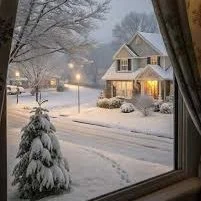
The Hidden Damage Winter Reveals Inside Your Home
Winter has a way of exposing things we don’t always notice the rest of the year. When the temperatures drop and your home is sealed up tight, small issues that were easy to ignore in summer suddenly make themselves known.
Sometimes winter damage isn’t loud or dramatic. It’s quiet. Subtle. And if left unchecked, it can turn into costly repairs by spring.
Here’s what winter often reveals inside your home—and why now is the right time to pay attention.
1. Drafts You Didn’t Know You Had
Cold air has a talent for finding the smallest gaps. Windows, doors, baseboards, and even electrical outlets can become entry points.
Signs to watch for:
Cold spots near walls or floors
Curtains moving when windows are closed
Higher-than-normal heating bills
What feels like “just winter” is often lost energy—and money—leaking out of your home.
2. Moisture Where It Doesn’t Belong
Winter creates condensation, especially in bathrooms, kitchens, basements, and poorly ventilated areas. Over time, that moisture can lead to:
Peeling paint
Soft drywall
Hidden mold growth
Swollen trim or flooring
Moisture problems rarely fix themselves—and winter is usually when they first show up.
3. Cracks That Grow Under Pressure
Your home expands and contracts with temperature changes. That movement can make existing cracks worse or create new ones.
Common areas:
Ceiling seams
Door and window frames
Tile grout or caulk lines
What starts as cosmetic can eventually affect structural integrity if ignored long enough.
4. Flooring That Tells a Story
Cold air and dry heat can wreak havoc on flooring.
You may notice:
LVP or laminate separating
Hardwood gaps widening
Tile grout cracking
These signs often point to subfloor movement, moisture imbalance, or installation issues that winter makes impossible to hide.
5. Slow Drains & Plumbing Red Flags
Winter puts extra stress on plumbing systems. Cold temperatures can reveal:
Partial clogs
Venting issues
Pipes that weren’t properly insulated
If drains are slower than usual or you’re noticing new smells, it’s worth addressing before spring thaw makes things worse.
Why Winter Is the Best Time to Catch These Issues
When life slows down and projects aren’t stacked back-to-back, winter becomes the perfect season to:
Identify small problems early
Plan smart repairs or remodels
Avoid emergency fixes later
By the time spring hits, contractors are booked—and minor issues have a habit of turning major.
What to Do Next
You don’t need to panic or tackle everything at once. Start by:
Walking through your home with fresh eyes
Noting anything that changed this winter
Asking questions before damage spreads
And if you’re not sure what you’re looking at, that’s where we come in.
One Last Thing…
We’ve been working on something new behind the scenes—something designed to reward the people who already support and refer us. 👀
We’ll be sharing details this Monday, and if you’ve ever passed our name along (or thought about it), you’ll want to keep an eye out.
Winter reveals a lot. Sometimes it even reveals opportunities.
❄️ Winter Maintenance Checklist: Protect Your Home From Cold Weather Damage
Thanksgiving has officially passed, the leftovers are calling your name, and everyone’s easing back into normal life…
And right on cue, we woke up to that first little dusting of snow.
That tiny bit is Mother Nature’s way of saying:
“Winter is here. Time to get your home ready.”
Before the deeper cold sets in, a quick maintenance check can save you from frozen pipes, heat loss, roof leaks, and all the winter headaches we see every year.
Here’s your post-Thanksgiving, pre-snowstorm checklist from Mr. Clean Fix.
🔧 1. Check Exterior Caulking & Weatherstripping
Cold air sneaks in through tiny gaps.
Warm air leaks out just as fast.
Do a quick check around:
windows
exterior doors
sliding doors
around trim
Re-caulking or replacing weatherstripping is cheap, fast, and can save money on heating.
🧊 2. Protect Your Pipes
Frozen pipes are one of winter’s biggest (and most expensive) emergencies.
Make sure to:
Insulate exposed pipes in garages, crawlspaces, and basements
Disconnect hoses
Cover outdoor spigots
Keep cabinet doors cracked during deep freezes
A few minutes now can prevent a flooded home later.
🪵 3. Inspect Siding, Trim & Paint
Cold, wet weather exposes weaknesses in siding and wood.
Look for:
cracks
loose boards
missing caulk
soft or rotted areas
Fixing these before snow builds up prevents moisture damage and drafts all winter long.
🧹 4. Clean Out Gutters & Downspouts
When snow melts and refreezes, clogged gutters can cause:
ice dams
roof leaks
sagging gutters
water damage
A clean gutter system keeps water flowing where it should — away from your home.
🔥 5. Change HVAC Filters & Test the Heat
Your furnace works harder in cold weather.
A fresh filter helps with:
airflow
efficiency
keeping dust down with guests still coming and going
If your system sounds off or struggles to keep up, schedule a check before the next freeze.
🕯️ 6. Test Smoke & CO Detectors
Winter means closed windows, heaters running, and more indoor activity.
Now is the time to test all detectors and change batteries.
Safety first — always.
🧊 7. Prepare Walkways & Exterior Lighting
Snow and ice make walkways risky.
Before the next storm hits, make sure you have:
ice melt
snow shovel ready
working porch and pathway lighting
non-slip mats at each entry
Welcoming and safe — the goal for every winter home.
🌨️ 8. Check the Roof for Early Snow Load
Even a light snowfall gives you an idea of how your roof handles weight and melting.
If you notice:
uneven melt spots
sagging areas
water dripping where it shouldn’t
…it might be time for a professional look.