How Long Does a Home Remodel Really Take?
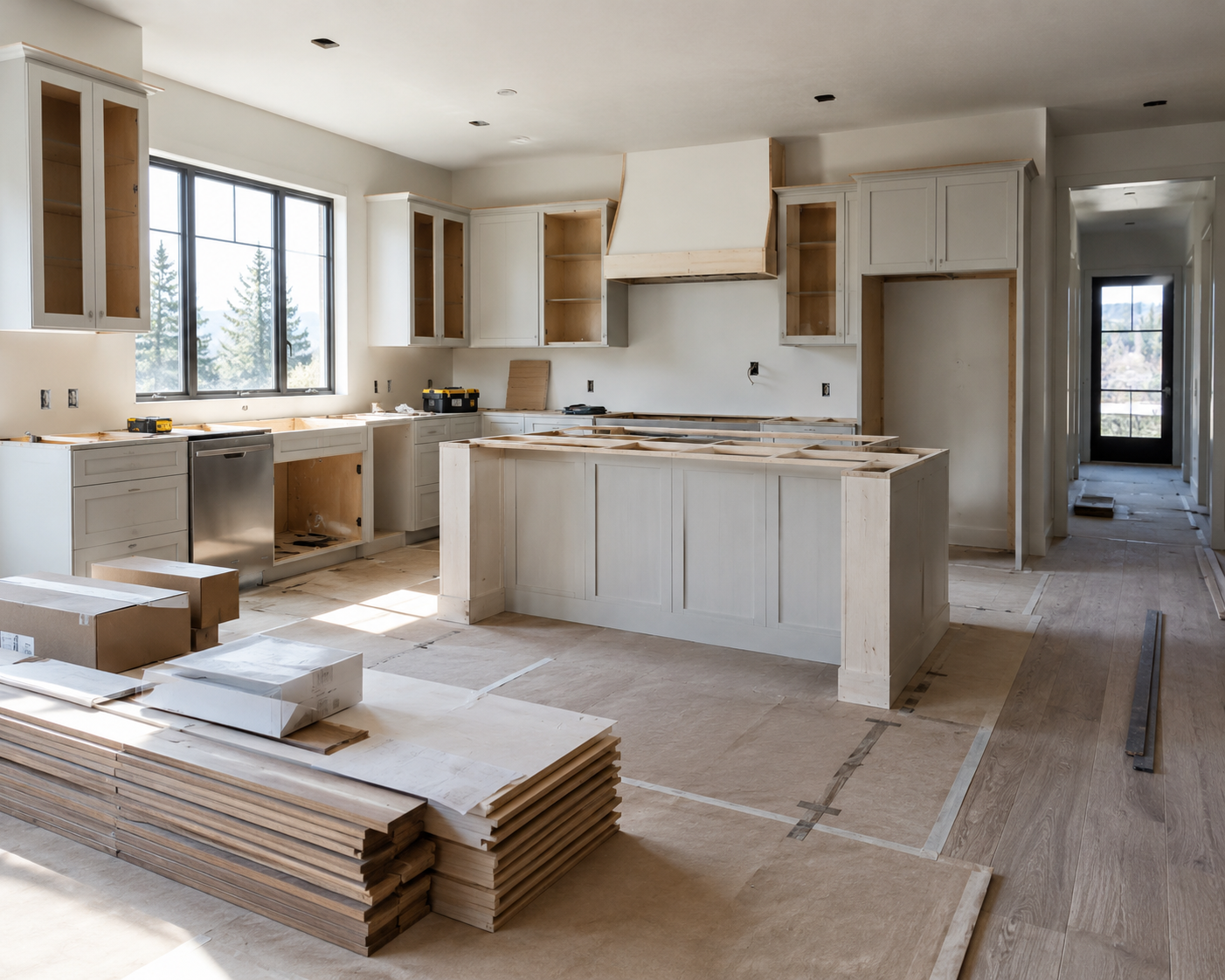
One of the first questions homeowners ask when planning a renovation is, "How long is this going to take?"
It's a fair question. A remodel can affect your daily routine, your budget, and how you use your home. If you're updating a bathroom, you want to know how long you'll be without it. If you're remodeling a kitchen, you need to plan around cooking, cleaning, and everyday life. And if you're adding space to your home, you want to know when you'll finally be able to enjoy it.
The challenge is that there isn't one timeline that works for every project.
Two bathrooms can have completely different schedules. A kitchen remodel that keeps the existing layout may move along differently from one that involves moving plumbing, electrical, or walls. And a whole-home renovation or home addition involves even more planning, coordination, and construction.
At Mr. Clean Fix, we believe homeowners deserve realistic expectations from the beginning. Here's what affects a remodeling timeline, what you can generally expect, and why the calendar doesn't always tell the whole story.
How Long Does Each Type of Remodel Take?
Every project is different, but the following ranges can help you understand the general time involved. These are broad planning estimates, not guaranteed completion dates. Actual timelines depend on the scope of work, material availability, permitting, and the conditions of the home.
Bathroom Remodel: Approximately 2–6 Weeks
A bathroom remodel can take a couple of weeks for a relatively straightforward update or six weeks or longer for a more involved renovation.
Replacing fixtures, updating finishes, and keeping the existing layout generally involves less work than moving plumbing, changing the shower configuration, installing custom tile, or addressing water damage.
Waterproofing, tile installation, grout curing, inspections where required, and fixture installation all take time. Some steps must be completed in sequence, so having multiple people on the job doesn't necessarily mean everything can happen at once.
If you're planning a bathroom remodel, ask your contractor when the bathroom will be unavailable and whether any temporary arrangements might be necessary.
Kitchen Remodel: Approximately 4–10 Weeks
Kitchens involve many interconnected components, including cabinets, countertops, appliances, plumbing, electrical, flooring, lighting, and finishes.
A cosmetic refresh may take less time, while a full kitchen renovation can take several weeks or longer, particularly when the layout changes or custom cabinetry is involved.
One common scheduling challenge is the relationship between cabinets and countertops. Countertops often cannot be measured for fabrication until the cabinets are installed. Fabrication and delivery then add time before the final installation can happen.
Appliances, plumbing fixtures, and electrical work also need to be coordinated with the appropriate stages of construction.
If you're remodeling your kitchen, planning for how you'll prepare meals during construction can make the experience much easier.
Whole-Home Remodel: Several Months or Longer
A whole-home renovation may involve flooring, painting, kitchens, bathrooms, lighting, structural changes, and updates to plumbing or electrical systems.
The timeline depends heavily on how much of the house is being changed and whether the work can be completed in phases or needs to happen throughout the home at once.
Some homeowners update one area at a time. Others undertake a comprehensive renovation that affects nearly every room.
The more systems and spaces involved, the more important scheduling becomes. Trades may need to complete work in a particular order, and delays in one area can affect other parts of the project.
For a substantial whole-home remodel, think in terms of months rather than weeks.
Home Addition: Several Months or Longer
Adding a bedroom, expanding a living area, or building a larger addition is a different undertaking from updating an existing room.
An addition may require design work, engineering, permits, excavation, foundations, framing, roofing, exterior finishes, insulation, drywall, mechanical systems, and interior finishing.
Weather can also influence certain stages of construction, particularly excavation, concrete work, and exterior work during North Idaho's colder or wetter seasons.
Because additions often involve both new construction and connections to the existing house, the planning and approval process can be significant. A larger or more complex addition may take many months from initial planning through completion.
For these projects, it's especially important to distinguish the time spent planning and waiting for approvals from the time spent actively building.
Why Doesn't Construction Start Immediately?
It's easy to assume that once you approve an estimate, work should begin right away. In reality, there are often several steps between agreeing on a project and having a crew arrive at your door.
1. Material Selections and Ordering
Cabinets, tile, flooring, windows, doors, plumbing fixtures, and other products need to be selected and ordered.
Some items are readily available, while others may require special ordering, fabrication, or delivery from another location. Custom products can have particularly long lead times.
Making selections early gives your contractor a better opportunity to coordinate the schedule around expected delivery dates.
Waiting until construction is underway to choose important materials can create avoidable delays, especially when those materials determine the next stage of work.
2. Permits, Plans, and Inspections
Depending on the scope of your project, plans, engineering, permit applications, and approvals may be required before construction begins.
Moving a wall, changing structural elements, altering certain mechanical systems, or building an addition can involve more review than a simple cosmetic update.
The time needed varies by project and jurisdiction. Required inspections can also affect the sequence of work once construction starts.
It's important to allow for these steps rather than assuming the entire project timeline begins on the first day of demolition.
3. Scheduling Trades
A general contractor coordinates the different people needed to complete the work.
Framing may need to happen before rough plumbing and electrical. Inspections may need to take place before insulation and drywall. Cabinets may need to be installed before countertops can be fabricated.
Each stage depends on the readiness of the previous one, and the availability of trades must be considered when building the schedule.
A well-organized project accounts for these dependencies rather than simply scheduling everyone as early as possible.
What Can Delay a Remodel?
Even with careful planning, some things can change during a renovation. Understanding the most common causes of delays helps set more realistic expectations.
Unexpected Discoveries
Opening up walls, floors, or ceilings can reveal conditions that weren't visible during the initial estimate.
Examples include water damage, outdated wiring, plumbing issues, inadequate framing, or previous repairs that need additional attention.
These discoveries may require further evaluation, additional work, new materials, or inspections before construction can continue.
A responsible contractor will explain the issue, discuss available options, and communicate how the solution may affect the budget and timeline.
Changes After Construction Begins
It's normal for homeowners to reconsider some details as they see their project taking shape. You might decide to change a tile pattern, add lighting, adjust a layout, or upgrade a finish.
However, changes can affect more than the individual item being modified. They may require new materials, revised plans, additional labor, or adjustments to work that has already been completed.
If you're considering a change, discuss it with your contractor before moving forward. Understanding the cost and schedule implications helps you make an informed decision.
Material Delays
A delayed cabinet shipment or unavailable fixture can affect several other stages of the project.
Sometimes a substitute is available. Other times, the original selection is important enough that waiting is the better option.
Your contractor can help evaluate alternatives and determine whether other work can proceed while waiting for the missing item.
Weather and Site Conditions
In North Idaho, weather can affect excavation, concrete work, roofing, exterior finishes, and other outdoor construction activities.
Rain, snow, freezing temperatures, and changing site conditions may require adjustments to the schedule.
Weather-related delays are particularly important to consider when planning additions and other projects that involve significant exterior work.
Does a Bigger Crew Mean a Faster Remodel?
Not necessarily.
Adding people to a project can help when there is enough work for everyone to perform safely and productively. But construction tasks have dependencies, and some steps require time to complete regardless of crew size.
For example, adding more workers won't necessarily speed up a curing process, make custom cabinets arrive sooner, or allow countertops to be fabricated before the required measurements are available.
The goal is to have the right people working on the right tasks at the right time.
Effective coordination often makes a bigger difference than simply trying to put more people on the job.
How Homeowners Can Help Keep a Project on Schedule
While your contractor is responsible for coordinating the work, there are several things you can do to help your remodel stay on track.
Make selections early. Choose important materials and finishes as soon as practical, particularly items with longer lead times.
Be available for decisions. Some questions need answers before the next stage can proceed. Responding promptly can prevent unnecessary pauses.
Understand the scope. Make sure you know what is included in the project and discuss additions or changes before assuming they can be incorporated without affecting the schedule.
Plan for disruptions. Consider how you'll manage cooking, bathing, pets, parking, or access to certain rooms during construction.
Communicate openly. If your priorities change or a concern comes up, bring it to your contractor's attention early.
Allow for the unexpected. A realistic schedule recognizes that existing homes can reveal surprises. A little flexibility can make the process less stressful when adjustments are necessary.
Why a Realistic Timeline Matters
When homeowners plan a remodel, it's tempting to focus on the earliest possible completion date. But a useful schedule isn't simply the shortest one someone can promise.
It needs to account for the actual work, material availability, required approvals, trade coordination, and the possibility of unexpected discoveries.
An overly optimistic timeline can create frustration when the project takes longer than expected. A realistic timeline gives everyone a better understanding of what needs to happen and what may affect progress.
A general contractor helps manage these moving pieces, communicate changes, and keep the project moving toward completion. While no contractor can control every delivery, inspection, or hidden condition, thoughtful planning can help minimize avoidable delays.
Planning a Remodel in North Idaho?
Whether you're updating a bathroom, transforming a kitchen, renovating your home, or adding more living space, understanding the timeline is an important part of planning a successful project.
At Mr. Clean Fix, we believe the process should start with a clear understanding of your goals, the work involved, and the factors that may affect your schedule. From there, we can help you plan the next steps and establish realistic expectations for your renovation.
The best place to start isn't with a promised finish date. It's with a conversation about what you want to accomplish and what it will take to get there.
Thinking about a home remodel or addition in North Idaho? Contact Mr. Clean Fix to discuss your project and start planning your next steps.