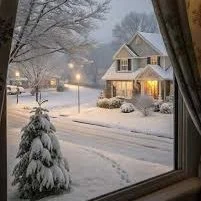
The Hidden Damage Winter Reveals Inside Your Home
Winter has a way of exposing things we don’t always notice the rest of the year. When the temperatures drop and your home is sealed up tight, small issues that were easy to ignore in summer suddenly make themselves known.
Sometimes winter damage isn’t loud or dramatic. It’s quiet. Subtle. And if left unchecked, it can turn into costly repairs by spring.
Here’s what winter often reveals inside your home—and why now is the right time to pay attention.
1. Drafts You Didn’t Know You Had
Cold air has a talent for finding the smallest gaps. Windows, doors, baseboards, and even electrical outlets can become entry points.
Signs to watch for:
Cold spots near walls or floors
Curtains moving when windows are closed
Higher-than-normal heating bills
What feels like “just winter” is often lost energy—and money—leaking out of your home.
2. Moisture Where It Doesn’t Belong
Winter creates condensation, especially in bathrooms, kitchens, basements, and poorly ventilated areas. Over time, that moisture can lead to:
Peeling paint
Soft drywall
Hidden mold growth
Swollen trim or flooring
Moisture problems rarely fix themselves—and winter is usually when they first show up.
3. Cracks That Grow Under Pressure
Your home expands and contracts with temperature changes. That movement can make existing cracks worse or create new ones.
Common areas:
Ceiling seams
Door and window frames
Tile grout or caulk lines
What starts as cosmetic can eventually affect structural integrity if ignored long enough.
4. Flooring That Tells a Story
Cold air and dry heat can wreak havoc on flooring.
You may notice:
LVP or laminate separating
Hardwood gaps widening
Tile grout cracking
These signs often point to subfloor movement, moisture imbalance, or installation issues that winter makes impossible to hide.
5. Slow Drains & Plumbing Red Flags
Winter puts extra stress on plumbing systems. Cold temperatures can reveal:
Partial clogs
Venting issues
Pipes that weren’t properly insulated
If drains are slower than usual or you’re noticing new smells, it’s worth addressing before spring thaw makes things worse.
Why Winter Is the Best Time to Catch These Issues
When life slows down and projects aren’t stacked back-to-back, winter becomes the perfect season to:
Identify small problems early
Plan smart repairs or remodels
Avoid emergency fixes later
By the time spring hits, contractors are booked—and minor issues have a habit of turning major.
What to Do Next
You don’t need to panic or tackle everything at once. Start by:
Walking through your home with fresh eyes
Noting anything that changed this winter
Asking questions before damage spreads
And if you’re not sure what you’re looking at, that’s where we come in.
One Last Thing…
We’ve been working on something new behind the scenes—something designed to reward the people who already support and refer us. 👀
We’ll be sharing details this Monday, and if you’ve ever passed our name along (or thought about it), you’ll want to keep an eye out.
Winter reveals a lot. Sometimes it even reveals opportunities.

Plan Now, Remodel Smarter in 2026: Why Winter Is the Best Time to Start Spring Projects
Winter might feel like the season for slowing down, cozying up, and tackling only what’s necessary… but behind the scenes, it’s actually the prime time to get ahead on your home improvement goals for spring 2026.
If Motivation Monday had an official slogan, it would be: Start early, stress less. And when it comes to remodeling, that couldn’t be more true.
At Mr. Clean Fix, we see it every single year—homeowners who plan ahead get smoother timelines, more flexibility, and better results. So today’s motivation is all about working smarter, not harder.
Why Winter Planning Sets You Up for Spring Success
1. Contractor Schedules Are More Flexible
Spring is the Super Bowl of remodeling: busy, packed, and competitive.
But winter? You catch contractors before the rush, meaning:
Better scheduling availability
Lower stress
More options for start dates
Planning now = you’re at the front of the line when spring hits.
2. Lead Times Are Still Manageable
Materials like cabinets, flooring, and custom orders can have lengthy lead times.
Ordering in winter means everything arrives before you’re itching to be outside enjoying the warm weather—no waiting, no delays.
3. Winter Walkthroughs Reveal Spring Problems Early
Snow, ice, and freezing temperatures expose issues you won’t notice in July:
Drafty windows
Failing gutters
Deck boards that didn’t make it through the freeze
Moisture problems
A winter walkthrough helps you create a strategic spring punch list based on what your home needs—not just what you think it needs.
4. Indoor Projects Make the Cold Season Productive
While the weather keeps you indoors, why not pivot your energy into:
Bathroom or kitchen remodel planning
Flooring upgrades
Fresh paint schemes
Basement finishing ideas
Decluttering for a smoother reno
Winter gives you time to prepare your home and your mind so spring projects kick off with zero chaos.
5. Spring Starts Earlier Than You Think
By the time March rolls around, the calls flood in. Schedules fill fast.
But those who prepped in winter?
They’re already locked in, materials delivered, and ready for demo day.
Your Motivation Monday Takeaway
If you want a smoother, faster, and more intentional remodeling season in 2026, start today. Use winter as your planning window, and future-you will be thankful you did.
With the right prep, your spring projects don’t just get done—they get done smarter.