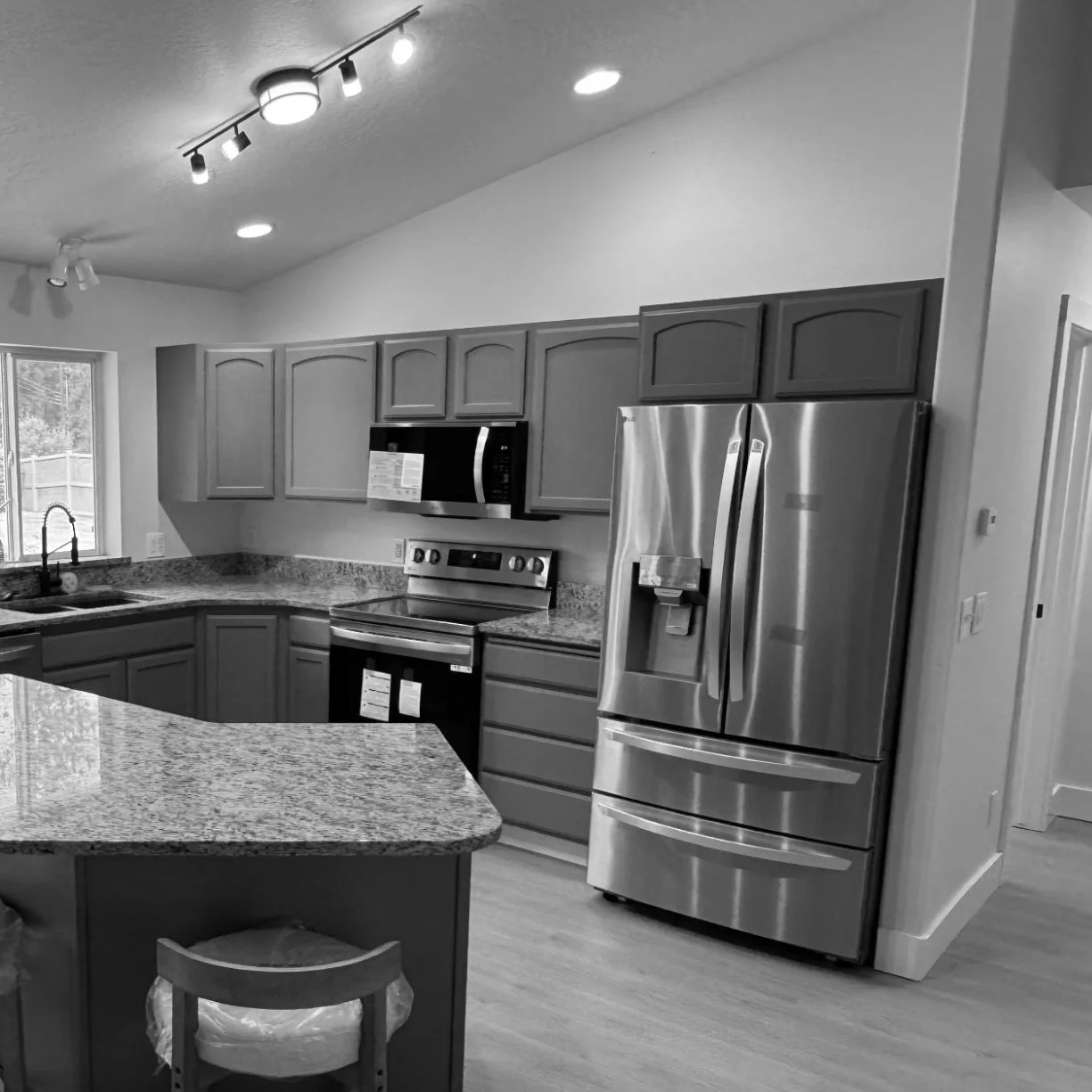
What Homeowners Should Know Before Starting a Kitchen Remodel
With Labor Day weekend here, we're taking a moment to appreciate something we know pretty well at Mr. Clean Fix: good work takes planning, skill, and a lot more behind the scenes than most people ever see.
A kitchen remodel is a perfect example.
From the first conversation about what isn't working in your current kitchen to the final cabinet adjustment and backsplash detail, a successful remodel involves dozens of decisions—and plenty of skilled work along the way.
If you're thinking about remodeling your kitchen, here's what we think homeowners should know before construction begins.
Start With How You Use Your Kitchen
Before you start picking out countertops or scrolling through cabinet colors, think about what's actually frustrating you about your current kitchen.
Is there not enough counter space?
Do people constantly get in each other's way?
Is the refrigerator in an awkward location?
Do you need more storage?
Is there nowhere for someone to sit and hang out without being in the cooking area?
A beautiful kitchen that doesn't function well isn't much of an upgrade.
The best kitchen remodels start with how you actually live in the space.
That means looking at traffic flow, work areas, storage, appliances, seating, and the way your family uses the kitchen on an ordinary day—not just how the room looks in a picture.
The Layout Comes Before the Cabinets
It's tempting to start with cabinets because they're one of the most visible parts of a kitchen remodel.
But the layout should come first.
Where should the refrigerator go? Where will food be prepped? Where will the sink and dishwasher sit? Is there enough room around an island? Can two people work in the kitchen at the same time without constantly bumping into each other?
These decisions affect almost everything that comes afterward.
And this is where remodeling can become much more than simply replacing old cabinets with new ones. Sometimes the best solution involves moving a wall, relocating plumbing, changing electrical, or completely rethinking the existing layout.
That's why planning matters so much.
Cabinetry Is More Than a Color Choice
Once the layout is right, cabinetry becomes one of the biggest decisions in the project.
Of course, style matters. Cabinet color, door style, hardware, and finish all contribute to the overall look.
But what's inside the cabinets matters just as much.
Think about how you store pots and pans, where you want your spices, how often you use certain appliances, and whether drawers or doors make more sense for the way you work.
A well-designed kitchen doesn't just give you more storage.
It puts the storage where you actually need it.
Countertops Need to Work With the Whole Design
Countertops are another major visual element, but they're also one of the surfaces that gets used constantly.
When choosing a countertop, consider durability, maintenance, color, edge profile, and how it works with the cabinets, backsplash, flooring, and other finishes.
You don't necessarily need the most expensive material available.
You need the right material for the way you use your kitchen and the overall design you're trying to create.
A high-end remodel is about making intentional choices—not automatically choosing the highest-priced option.
Don't Forget the Appliances
Appliances can have a surprisingly large impact on your kitchen layout.
The size and location of the refrigerator, range, oven, dishwasher, microwave, and other appliances need to be considered before cabinetry is finalized.
This is especially important if you're changing appliance locations.
Moving an appliance can mean moving electrical, plumbing, gas, or ventilation as well. Those decisions are much easier to address during the planning stage than after the cabinets have already been installed.
Lighting Is Part of the Design
One ceiling light isn't a lighting plan.
A well-designed kitchen typically needs a combination of general lighting, task lighting, and accent lighting.
Think about where you'll actually be working. Countertops can look beautiful during the day but become frustrating at night if you're standing in your own shadow while preparing dinner.
Under-cabinet lighting can make a huge difference. So can thoughtfully placed recessed lighting, pendants, and lighting over an island or dining area.
Lighting should be planned before the walls and ceilings are finished, especially when new electrical work is involved.
Plumbing and Electrical Are Part of the Remodel
The things you don't see can be some of the most important parts of a kitchen renovation.
Moving a sink means plumbing.
Changing the range may mean electrical or gas work.
Adding appliances may require additional circuits.
Adding lighting means electrical planning.
And opening walls can reveal existing conditions that need to be addressed before the new kitchen can come together.
This is one of the reasons we encourage homeowners to think about the entire project before construction starts. A kitchen remodel isn't just cabinets and countertops. It's the systems behind those finishes that make the kitchen function.
The Order of Operations Matters
A kitchen remodel has a sequence for a reason.
Depending on the project, demolition may come first, followed by framing or structural changes, plumbing and electrical work, drywall and finishing, flooring, cabinetry, countertops, backsplash, fixtures, appliances, and final details.
Not every kitchen follows exactly the same sequence, but the important thing is that the work needs to be coordinated.
You don't want to install something today only to have another trade come back tomorrow and undo part of it.
Good scheduling keeps the project moving and helps prevent unnecessary rework.
The Cheapest Estimate Isn't Always the Best Value
A kitchen remodel is a significant investment, and it's completely reasonable to compare estimates.
But make sure you're comparing the scope of work, not just the bottom-line number.
Are the same materials included?
Is electrical work included?
What about plumbing?
What happens if something unexpected is found behind the walls?
Who is coordinating the different parts of the project?
What level of finish and craftsmanship should you expect?
A lower estimate isn't necessarily a better deal if important parts of the project aren't included.
A Kitchen Remodel Is Skilled Work
That's probably the biggest thing we want homeowners to take away this Labor Day weekend.
A finished kitchen may look simple when you walk into it.
Cabinets. Countertops. Appliances. Lights. Flooring.
But behind that finished room is planning, measuring, demolition, carpentry, electrical work, plumbing, installation, finishing, problem-solving, scheduling, and a lot of attention to detail.
The better all of those pieces work together, the more natural the finished kitchen feels.
And that's the goal.
You shouldn't walk into your remodeled kitchen and think about all the work that went into making it function.
You should simply think:
"This makes so much more sense."
Planning a Kitchen Remodel?
At Mr. Clean Fix, we believe the best kitchen remodels start with a conversation—not a cabinet catalog.
If your kitchen is outdated, doesn't function well, or simply no longer fits the way your family lives, we're happy to help you look at the possibilities.
Whether you're considering a kitchen update, a larger kitchen renovation, or a complete remodel involving layout, electrical, plumbing, cabinetry, countertops, lighting, and finishes, we'll help you look at the project as a whole.
This Labor Day weekend, we're grateful for the homeowners who trust us with their homes—and for the skilled work that turns an idea into a finished space.
Ready to start planning your kitchen remodel? Let's talk.

Remodeling for the Holidays: The Transformative Power of Interior Painting
As the holidays approach, there’s no better time to refresh your home’s interior with a new coat of paint. Whether you’re hosting festive gatherings or simply want to create a cozy, inviting atmosphere for your family, interior painting is a quick and impactful way to transform your space.
In this 4th installment of our "Remodeling for the Holidays" series, we’ll explore how a fresh color palette can breathe new life into your home and why now is the perfect time to consider an interior painting project.
The Magic of Color: Setting the Holiday Mood
Color plays a vital role in shaping the mood of your home. The right color palette can evoke warmth, comfort, and joy—all essential elements during the holiday season. Here are a few ideas to inspire your holiday interior makeover:
Warm Neutrals: Shades like taupe, beige, and soft gray create a welcoming, sophisticated backdrop that complements festive decorations without overpowering them. These colors are perfect for living rooms, dining areas, and kitchens where you’ll likely spend most of your time entertaining.
Deep, Rich Hues: For a more dramatic and cozy feel, consider deep jewel tones like emerald green, navy blue, or burgundy. These colors add a touch of elegance and can make any room feel intimate and luxurious—ideal for a formal dining room or a study.
Crisp Whites and Soft Pastels: If you prefer a more modern and airy atmosphere, crisp white walls or soft pastels can brighten up your space, making it feel more expansive and clean. These lighter tones also provide a beautiful contrast to colorful holiday decor.
Why Now is the Perfect Time to Paint
Interior painting during the fall season offers several advantages. The cooler weather allows for better ventilation as you can open windows without letting in hot, humid air. Additionally, completing your painting project before the holiday rush ensures that your home is picture-perfect for any gatherings you may host.
At Mr. Clean Fix, we recommend starting your interior painting project well before the holidays to avoid the stress of last-minute renovations. Our professional team can help you choose the right colors, handle all the prep work, and ensure a flawless finish that will make your home shine.
Tips for a Successful Interior Painting Project
Choose the Right Finish: The finish you select can affect the overall look and durability of your paint job. For high-traffic areas like the kitchen or hallway, consider a satin or semi-gloss finish that’s easy to clean. For bedrooms and living areas, a matte or eggshell finish can create a more subdued, cozy ambiance.
Prep Work is Key: A successful paint job begins with thorough preparation. This includes cleaning walls, patching holes, and applying primer where necessary. Proper prep ensures that your new paint adheres well and lasts longer.
Don’t Skimp on Quality: Investing in high-quality paint and materials pays off in the long run. Better-quality paint provides better coverage, requires fewer coats, and is more durable, saving you time and money in the future.
Accent Walls for a Pop of Color: If you’re hesitant to commit to a bold color throughout an entire room, consider painting an accent wall. This can add visual interest without overwhelming the space and allows you to experiment with different shades.
Consult the Experts: Not sure where to start? Our team at Mr. Clean Fix is here to guide you through the process, from selecting colors that suit your style to executing the perfect paint job.
Get Holiday-Ready with Mr. Clean Fix
Interior painting is one of the most effective ways to refresh your home in time for the holidays. Whether you’re going for a subtle update or a complete color overhaul, Mr. Clean Fix is here to bring your vision to life. Our skilled painters will ensure your home looks its best, so you can focus on what really matters—enjoying the holiday season with your loved ones.
Stay tuned for the next post in our "Remodeling for the Holidays" series, where we’ll dive into creative ways to enhance your home’s lighting to make your holiday decor sparkle!