
The Warm Weather Is Here. Your Exterior Projects Just Got a Green Light.
The Warm Weather Is Here. Your Exterior Projects Just Got a Green Light.
First real warm stretch of the year.
Mid-70s in the forecast and if you've lived in North Idaho long enough you know what that means — this is the window. The one where the ground is dry, the temps are right, and exterior work can actually happen the way it's supposed to.
We've been waiting for this too.
If you've had an exterior project sitting on the list through a long winter, now is the time to stop thinking about it and start making calls. Here's what's on our radar this season and why timing actually matters for each one.
Exterior Paint: This Is Exactly the Weather You Need
Exterior paint is one of those things that looks straightforward until you understand what it actually takes to do it right.
Temperature matters. Humidity matters. Surface prep matters more than either of those.
Paint applied in the wrong conditions — too cold, too damp, too much direct heat — fails faster than it should. It doesn't bond the way it's supposed to. And when exterior paint fails in North Idaho, it doesn't just look bad. It stops protecting the surface underneath, and that's when the real damage starts.
We were on a house recently where the south-facing wall was completely faded out while the rest of the exterior still held color. Caulk had pulled back just enough to let water find its way in over winter. That's not a cosmetic problem anymore — that's exposure. And it was a repaint job that turned into more because nobody caught it in time.
Mid-70s and dry? That's exactly the conditions every paint manufacturer writes their specs around.
If your exterior is telling that story — this is the season to rewrite it. Don't waste the window.
Fence Builds: Get It In Before Summer Fills the Schedule
A new fence is one of those projects that feels like it can wait — until it can't.
Property lines that need defining. Dogs that need containing. Privacy from neighbors that got a lot closer when the leaves came down last fall.
Whatever the reason, fence builds are one of the first things that books up when the weather turns. Post setting, concrete curing, material staging — all of it is more reliable when the ground isn't frozen and the temps are cooperative.
Most fence builds we do fall somewhere in the range of a few thousand dollars depending on material, length, and site conditions. Cedar runs more than treated lumber but lasts longer and looks better doing it. That conversation is worth having before the posts are set rather than after.
If a fence is on your list, now is when to move on it.
Decks: Build It Right and Build It Once
North Idaho decks take a beating.
Freeze-thaw cycles, UV exposure, moisture, snow load — the elements here work on exterior wood every single season without asking permission.
We see a lot of decks that were built to a price instead of built to last. Undersized framing. Wrong material for ground contact. Ledger connections that were never flashed properly. These things don't announce themselves on day one — they show up three or four winters later when you're looking at a repair that costs more than the original build.
The difference between doing it right and doing it cheap is usually a few thousand dollars — not double. And it's the difference between a deck that's still solid in ten years and one that's already asking questions in three.
We don't build things twice. If you're going to do it, do it once and do it right.
Concrete footings cure properly in this weather. Framing can be inspected and dried before any decking goes on. And you'll have the whole summer to actually use what you built.
Patios and Gazebos: The Outdoor Space You've Been Talking About
This is the one that usually lives on the list the longest.
The patio that's been gravel or bare dirt for two summers. The gazebo that got priced out last fall and pushed to spring. The outdoor living space that exists in your head but not yet in your backyard.
Spring is when these projects make the most sense to build — not because summer is too late, but because building now means you actually get to use it this season instead of watching it go up while summer disappears around you.
A well-built patio or gazebo extends how you use your property. It creates the outdoor living space that North Idaho summers are genuinely made for — the kind where you're outside until 9pm because the weather is perfect and the space actually invites it.
Concrete, pavers, composite decking for the platform. Cedar, steel, or engineered lumber for the structure. These decisions affect how long it lasts and how much maintenance it asks of you down the road. We'd rather talk through those choices up front than have you love something for two years and fight it for ten.
Why This Window Matters
Here's the honest contractor take on spring timing.
It's not just about weather. It's about schedule.
Right now there's still availability. A few weeks from now — when everyone else realizes the warm weather is here and starts making calls — that changes fast. The most in-demand crews book up quickly when the season turns and the backlog builds in a hurry.
If you've been waiting for the right time to move on an exterior project, this forecast is about as clear a signal as you're going to get.
The Mr. Clean Fix Take
We've been doing exterior work in North Idaho long enough to know this stretch doesn't last forever.
Summer fills up. Fall comes faster than anyone expects. And the projects that didn't get started in spring end up on next year's list — again.
If you've got a fence, a deck, a patio, a gazebo, or an exterior paint job that's been waiting — call or message us this week. We'll come take a look and tell you straight whether it makes sense to move now or not.
We're not the cheapest option out there. That's usually why our work is still standing when cheaper jobs aren't.
The best time to start was last fall.
The second best time is right now.
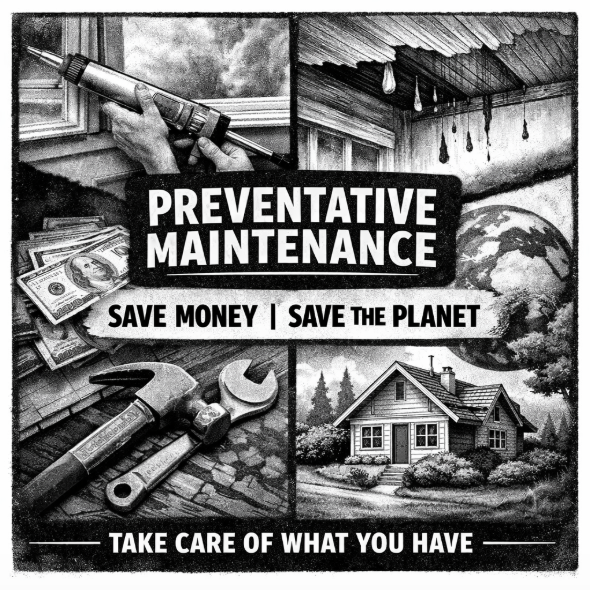
Earth Day: Why Preventative Home Maintenance Saves Thousands Over Time
Earth Day: Why Preventative Home Maintenance Saves Thousands Over Time
Take Care of What You Have. It's Better for Your Wallet and the Planet.
Most homeowners don't have a renovation problem.
They have a maintenance problem they ignored too long.
That’s not an Earth Day talking point. That’s what we see every spring when the snow melts in North Idaho and the calls start—damage that’s been quietly building since October.
Water behind a window frame. Rot under a deck board. A gutter that backed up all winter because it never got cleaned.
None of it started big. None of it had to end up expensive.
And here’s the part most people miss: North Idaho doesn’t slowly wear homes down—it freezes, thaws, and forces water into every weak point twice a year. What starts as a hairline gap doesn’t stay small for long.
That’s the real sustainability conversation worth having. Not just recycling bins and reusable bags—but whether we’re throwing away materials and money that didn’t need to be lost in the first place.
The Most Sustainable Home Is the One That's Already Built
Here’s something the home improvement industry doesn’t say enough:
Manufacturing new materials takes energy. Demolition creates waste. Hauling debris fills landfills. And full remodels that could’ve been avoided with basic maintenance add up fast.
The greenest move isn’t always the new product with the eco-friendly label.
Sometimes it’s:
Caulking a window before water gets behind it
Sealing a deck before boards start to rot
Fixing a small leak before it becomes a subfloor replacement
We’re not guessing on this. These are the calls we get every spring after a North Idaho winter does its work.
Maintain what you have. That’s sustainability with a price tag you can actually see—and control.
Small Neglect. Big Bills.
We’ve walked into homes where a $15 tube of caulk would’ve prevented a $3,000 repair.
That’s not rare. That’s routine.
Here’s how it usually goes: a small gap opens around a window or door. Water finds it—because it always does. It sits through freeze-thaw cycles. By spring, you’ve got rot, possible mold, and damage that’s no longer “small.”
The gap was there for two years. It didn’t feel urgent yet.
And that’s the part we hear almost every time:
“I knew about it… I just didn’t think it mattered yet.”
The frustrating part isn’t the damage.
It’s realizing you saw the warning signs the whole time.
It’s always urgent. It just doesn’t look like it yet.
What Preventative Maintenance Actually Looks Like
Nothing fancy. Just consistent.
Caulking and sealing
Windows, doors, bathrooms, exterior joints—anywhere water can find an edge. Once a year check. Reseal when it cracks or pulls away. This prevents more damage than almost anything else.
Gutters
Clogged gutters push water where it doesn’t belong—rooflines, fascia, soffits, eventually inside walls. Clean them before winter. A few hours of work vs. thousands in repair.
Deck maintenance
North Idaho decks take constant abuse—freeze, thaw, UV, moisture. Seal and stain on schedule and they last decades. Skip it and you’re replacing boards or full structures early.
HVAC filters
Cheap, simple, and overlooked. A clogged filter shortens system life and drives up energy use. One of the highest return maintenance habits there is.
Wet-area grout and caulk
Bathrooms and kitchens hide water damage the longest. By the time you see it, it’s already behind the surface.
The Real Cost of Waiting
A failing shower caulk line: $20 fix vs. $4,000 tile and drywall repair
A small roof leak: $200 patch vs. full ceiling + remediation
A neglected deck: $300 maintenance vs. $8,000–$15,000 rebuild
These aren’t scare tactics. These are the jobs that come through our schedule every year.
And the story is almost always the same:
It started small. It didn’t seem urgent. And then it couldn’t be ignored anymore.
Maintaining Is the Sustainable Choice
Every piece of material you preserve is one that doesn’t end up in a landfill.
Every repair that prevents replacement is energy and resources not wasted.
You don’t need new windows to be sustainable—you need to seal the ones you already have.
You don’t need a new deck to be responsible—you need to protect the one you built.
Maintain what you have. Fix things when they’re small. Stay ahead of damage instead of chasing it after the fact.
That’s Earth Day every day—and it saves thousands along the way.
Where Mr. Clean Fix Comes In
We’re not just here for remodels and big transformations.
Some of the most valuable work we do never makes it into a before-and-after gallery:
Caulk lines
Deck sealing
Small repairs that stop big ones from forming
If you’ve got a list of small things you’ve been putting off, this is exactly the kind of work built for that.
If it’s sitting in the back of your mind right now, that’s usually the best sign it shouldn’t wait much longer.
Because the most expensive repair is always the one that could’ve been avoided.
Project Spotlight: It Started With a Cat Window — A Year Later, The Whole Front of the House Is Done
It started with one oversized picture window — and a couple of cats who refused to leave that sunny spot.
We installed it last spring, featured it in a blog, and moved on to the next job. Good project. Happy homeowners. Done.
Except it wasn't done.
Fast forward almost exactly one year. The homeowners came back. Turns out that one window changed how the whole front of the house looked — and now the other seven were impossible to ignore.
That's how one good project turns into a relationship. And honestly? It's one of our favorite things about this work.
Seven Custom Windows — Inside and Out
These weren't stock windows pulled off a shelf. Custom ordered, built to fit, and finished to match the character of the home on both sides of the wall.
Exterior work included installing all seven units and painting the trim clean and sharp. Simple in description. Not always simple in execution — especially when the homes here in North Idaho have weathered a few seasons and the trim tells that story.
Inside was where it got more detailed. The existing trim was wood that needed staining — not painting. Stain is unforgiving. It shows every flaw, every rushed moment, every shortcut. You don't fake your way through a good stain job.
We took our time. The finished product shows it.
One Window Came In Defective. Here's What We Did.
This is the part of the job that didn't go according to plan.
One of the seven windows arrived defective. It wasn't visible at pickup — those things rarely are until you're mid-install and the light catches it just right. The moment we identified it, we got a warranty claim moving and a replacement shipped.
The other six were completed in mid-March.
The seventh — the right one — went in this past Saturday.
This is where timelines slip and shortcuts happen for some crews. We don't do either. The homeowner deserved a complete, correct job. So we communicated, we waited, and we finished it right.
Every window. Done correctly. That's not extra — that's just the standard.
The Guest Room: Four Colors, Chair Rail, Wainscoting, and Oil-Based Paint
While the windows were underway the homeowners had one more ask — the guest room needed painting.
This room had a chair rail and wainscoting, which meant four distinct colors had to work together across different surfaces without looking like a mistake.
Then we found out the paint was oil-based.
Oil-based means longer dry times, more coats, and a slower process overall — but the finish is worth it when it's done right. You don't rush it. You don't cut corners on dry time. You just do the work.
The result is a guest room with clean transitions at every line, the wainscoting and chair rail landing exactly where they should, and four colors that feel intentional instead of chaotic.
The homeowners were thrilled. That's the part that makes the extra hours worth it every time.
One Year. Two Projects. One Home That's Finally Done Right.
A single picture window last spring. Seven more this spring. A guest room that finally got the attention it deserved. A defective window handled without drama and finished without shortcuts.
That's what a real contractor relationship looks like over time.
We don't show up, do a job, and disappear. We come back. We finish things right. And we're still here when the next project is ready.
If you're looking at your front windows right now thinking "it's probably time" — you're probably right. We're happy to walk it with you.
Because when it's done right the first time, it's never the last project.
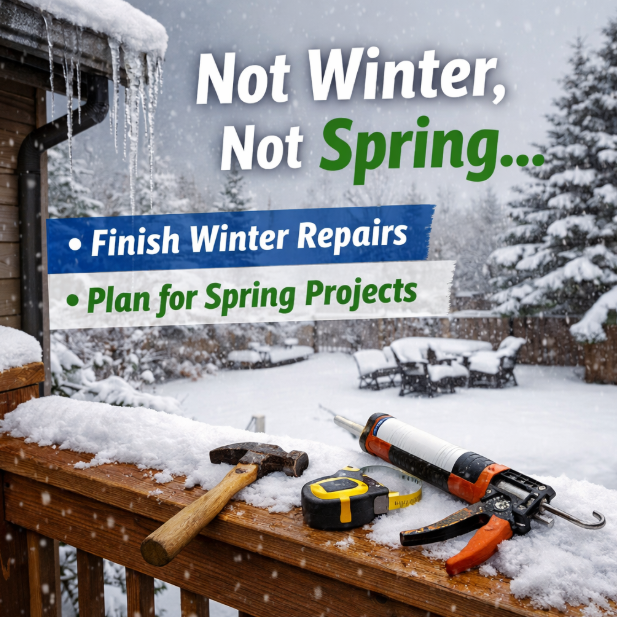
When Winter Won’t Let Go: Preparing Your Home During That Awkward Almost-Spring Season
If you live in North Idaho, you know this moment well.
The calendar says spring is around the corner. The days are getting a little longer. You might even feel motivated to start planning yard projects.
Then you look outside…and there’s four inches of fresh snow.
Welcome to the not-winter, not-spring season.
This strange in-between time can feel like a pause button for homeowners. It’s too cold for many outdoor projects, but winter is clearly losing its grip. While it may not feel like the perfect time for big changes, it’s actually one of the best windows to finish the winter tasks that got pushed aside and start quietly preparing for spring.
At Mr. Clean Fix, we often see homeowners use this time to catch up on the small things that make a big difference once the weather truly warms up.
Finish the Winter Projects You Meant to Do
Every winter comes with a list of “I’ll get to that later” repairs.
Maybe it was a small leak.
A drafty window.
Loose trim.
A deck that needed sealing before the snow came.
Winter has a way of hiding those projects under layers of snow, holidays, and busy schedules.
Now is the perfect time to wrap those up before spring projects start competing for attention.
Common late-winter fixes include:
Sealing small roof or gutter leaks
Repairing damaged siding or trim
Replacing cracked caulking around windows and doors
Fixing small drywall damage from winter humidity shifts
Addressing minor plumbing or moisture issues
These smaller repairs prevent bigger problems once snow melts and spring rain arrive.
Check the Areas Winter Hits Hardest
Our winters can be beautiful, but they’re not exactly gentle on homes.
This is the time to take a quick look at the places that endure the most stress during the cold months.
Keep an eye on:
Decks and railings – Snow and ice can cause hidden moisture damage.
Gutters and downspouts – Ice buildup often loosens fasteners or causes small separations.
Walkways and steps – Freeze-thaw cycles can shift materials.
Exterior paint and caulking – Winter temperature swings can create cracks.
Catching these issues early helps avoid expensive repairs later in the year.
Start Planning Your Spring Projects Now
Even if the ground is still frozen, your spring project planning shouldn’t be.
In fact, this in-between season is the best time to start thinking about improvements like:
Deck repairs or resurfacing
Fence installation
Pergolas or patio structures
Exterior painting
Walkway upgrades
Outdoor living spaces
Planning early means materials can be ordered, designs finalized, and schedules set before the busy season hits.
Once the weather finally cooperates, you’ll be ready to move forward instead of starting from scratch.
The Hidden Advantage of This “In-Between” Season
While everyone waits for spring to arrive, homeowners who use this time wisely often end up ahead.
They finish the lingering winter repairs.
They plan their warm-weather projects.
And when the snow finally disappears, they’re ready to go.
That awkward moment between winter and spring may not feel exciting—but it’s actually one of the most productive times of the year for home maintenance and project planning.
And here in North Idaho, we all know one thing for sure:
Spring will get here eventually…even if winter throws one last snowstorm at us first.
Ready to Wrap Up Winter and Prepare for Spring?
If you have winter repairs you never got around to—or projects you want ready when spring arrives—Mr. Clean Fix can help.
From small fixes to bigger outdoor improvements, we’re happy to help homeowners get their homes ready for the season ahead.
Because when the snow finally melts, the best projects are the ones that are already planned.

Motivation Monday: Why Waiting Until Spring Can Cost You More (When It’s 20° Outside)
When it’s 20 degrees outside, the last thing anyone wants to think about is home repairs. But here’s the hard truth:
Cold weather doesn’t pause problems—it makes them worse.
If you’re waiting for spring, you may already be paying for it.
Cold Temps Expose Weak Spots ❄️
At 20°, materials contract, seals fail, and moisture finds every tiny opening. That small leak, drafty window, or soft board you’ve been ignoring is under maximum stress right now.
What starts as a minor issue in winter often shows up in spring as:
Rot or water damage
Mold from trapped moisture
Higher-than-normal heating bills
Freeze–Thaw Damage Adds Up 🧊➡️💧
When temperatures swing above and below freezing, water expands and contracts inside cracks and gaps. Over time, that means bigger cracks, loosened fasteners, and accelerated wear—especially on decks, siding, and exterior trim.
Spring Repairs Cost More 🌷
Once the weather warms up, everyone calls at once. Crews book out fast, material costs fluctuate, and projects get rushed. Waiting until spring often means paying more and waiting longer.
Emergency Repairs Don’t Care About the Weather 🚨
When something fails in freezing temps, it’s rarely convenient—or cheap. Emergency calls, temporary fixes, and cold-weather damage control add stress and cost that could’ve been avoided.
Motivation Monday Takeaway 💡
When it’s 20° outside, the smartest move isn’t ignoring the problem—it’s getting ahead of it.
Progress sometimes looks like handling things before they become urgent.
Your home—and your wallet—will thank you come spring.

Plan Now, Remodel Smarter in 2026: Why Winter Is the Best Time to Start Spring Projects
Winter might feel like the season for slowing down, cozying up, and tackling only what’s necessary… but behind the scenes, it’s actually the prime time to get ahead on your home improvement goals for spring 2026.
If Motivation Monday had an official slogan, it would be: Start early, stress less. And when it comes to remodeling, that couldn’t be more true.
At Mr. Clean Fix, we see it every single year—homeowners who plan ahead get smoother timelines, more flexibility, and better results. So today’s motivation is all about working smarter, not harder.
Why Winter Planning Sets You Up for Spring Success
1. Contractor Schedules Are More Flexible
Spring is the Super Bowl of remodeling: busy, packed, and competitive.
But winter? You catch contractors before the rush, meaning:
Better scheduling availability
Lower stress
More options for start dates
Planning now = you’re at the front of the line when spring hits.
2. Lead Times Are Still Manageable
Materials like cabinets, flooring, and custom orders can have lengthy lead times.
Ordering in winter means everything arrives before you’re itching to be outside enjoying the warm weather—no waiting, no delays.
3. Winter Walkthroughs Reveal Spring Problems Early
Snow, ice, and freezing temperatures expose issues you won’t notice in July:
Drafty windows
Failing gutters
Deck boards that didn’t make it through the freeze
Moisture problems
A winter walkthrough helps you create a strategic spring punch list based on what your home needs—not just what you think it needs.
4. Indoor Projects Make the Cold Season Productive
While the weather keeps you indoors, why not pivot your energy into:
Bathroom or kitchen remodel planning
Flooring upgrades
Fresh paint schemes
Basement finishing ideas
Decluttering for a smoother reno
Winter gives you time to prepare your home and your mind so spring projects kick off with zero chaos.
5. Spring Starts Earlier Than You Think
By the time March rolls around, the calls flood in. Schedules fill fast.
But those who prepped in winter?
They’re already locked in, materials delivered, and ready for demo day.
Your Motivation Monday Takeaway
If you want a smoother, faster, and more intentional remodeling season in 2026, start today. Use winter as your planning window, and future-you will be thankful you did.
With the right prep, your spring projects don’t just get done—they get done smarter.