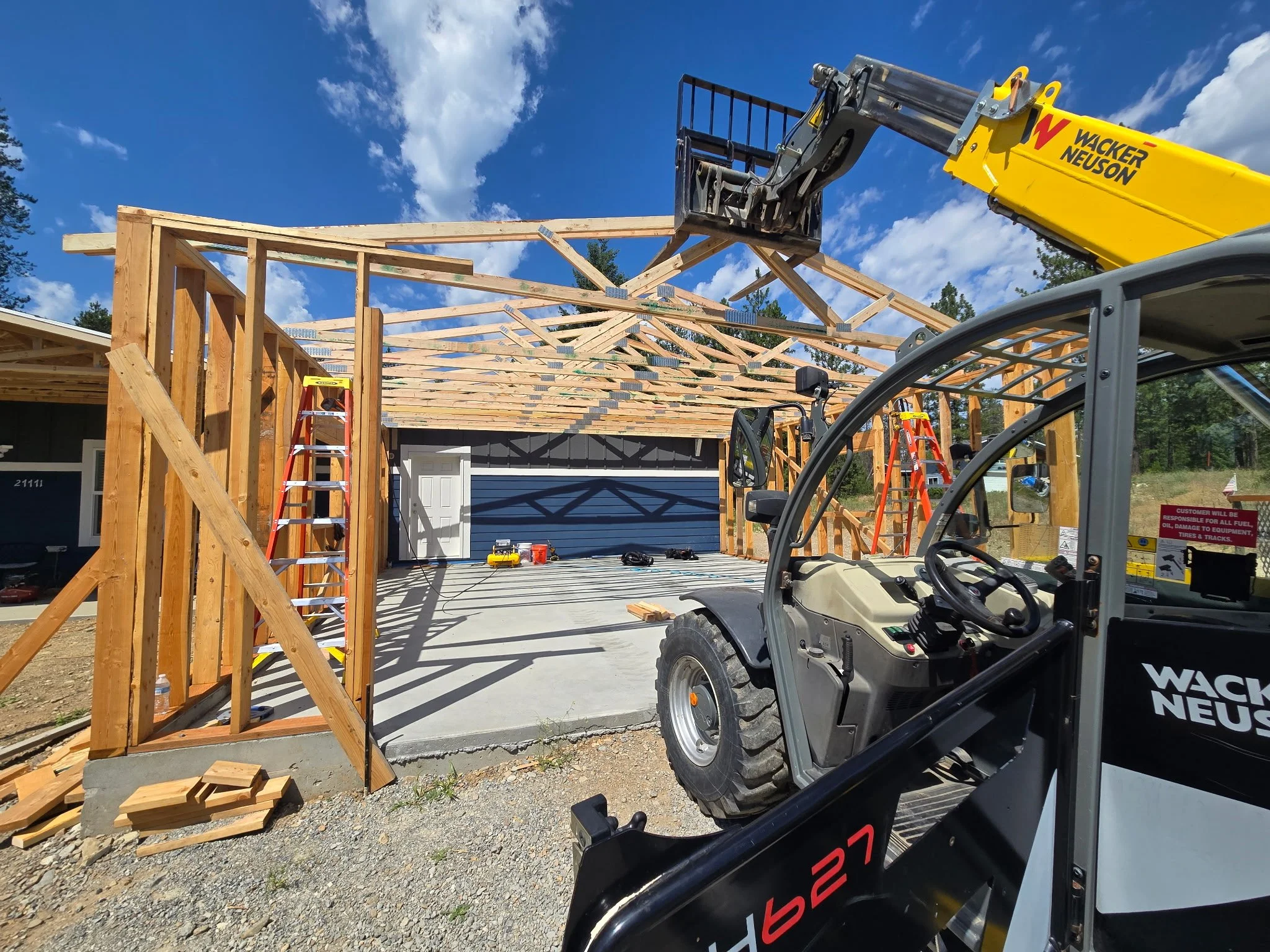
What Happens Behind the Scenes During a Major Home Remodel?
When you think about a major home remodel, you probably picture the visible work: walls coming down, new cabinets going in, tile being installed, and the finished space finally coming together. But there's a whole other side to remodeling that homeowners don't always see.
Behind every successful renovation is a long list of decisions, schedules, deliveries, inspections, and moving pieces that have to come together at the right time. The quality of the finished project matters, but so does everything that happens along the way.
At Mr. Clean Fix, we know that managing a remodel involves much more than showing up and swinging a hammer. Here's a closer look at what happens behind the scenes during a major home renovation and why having a general contractor oversee the process makes such a difference.
1. Planning Starts Long Before Construction
Before the first wall comes down or the first cabinet is installed, there's a lot of preparation to do.
The project begins with understanding the homeowner's goals, evaluating the existing space, developing the scope of work, and determining how the different parts of the renovation will fit together. Depending on the project, this may also involve drawings, engineering, permit applications, and coordination with local building departments.
Decisions made during this stage affect nearly everything that follows. Cabinet layouts influence plumbing and electrical locations. Flooring choices can affect transitions between rooms. Changes to walls may require structural considerations.
Working through these details early helps reduce avoidable delays, unexpected expenses, and last-minute decisions once construction is underway.
2. Materials Have to Be Ordered and Coordinated
A major remodel can involve dozens of materials, fixtures, and finish selections. Cabinets, flooring, tile, countertops, windows, doors, plumbing fixtures, lighting, and hardware all need to be selected and ordered at the appropriate time.
The challenge isn't simply making sure everything gets purchased. It's making sure materials arrive when they're needed.
For example, installing kitchen cabinets may need to happen before countertops can be measured and fabricated. Those countertops then need to be installed before certain finishing tasks can be completed. If one delivery is delayed, several other steps may have to shift.
A general contractor helps track orders, coordinate delivery dates, confirm selections, and adjust the schedule when something doesn't arrive as planned.
Good coordination behind the scenes helps keep the project moving forward instead of leaving everyone waiting on the next piece.
3. Different Trades Need to Work in the Right Order
Many remodeling projects require several different trades to complete their portions of the work. Depending on the scope, that could include framing, plumbing, electrical, HVAC, insulation, drywall, painting, flooring, tile, and cabinetry.
These tasks usually can't happen whenever it's convenient for each individual trade. They need to be sequenced correctly.
For example, plumbing and electrical work often need to be completed before walls are closed up. Insulation and drywall follow at the appropriate stage, while cabinets, tile, flooring, and finish work each have their own timing requirements.
Scheduling also means making sure the work area is ready for the next person. Sending a trade to a jobsite before the previous stage is complete wastes time and can create unnecessary costs.
The general contractor coordinates these moving pieces, communicates with the people involved, and keeps everyone working toward the same end goal.
4. Inspections and Building Requirements Matter
Depending on the project and local requirements, certain stages of a remodel may need to be inspected before construction can continue.
Structural changes, electrical work, plumbing, and other permitted work may have specific inspection requirements. Some work must remain accessible until the appropriate inspection has taken place.
Missing an inspection or covering work before it's approved can lead to delays and potentially require completed work to be reopened.
A general contractor helps coordinate the applicable inspections, communicate with the building department, and plan the work around required approvals.
These steps might not be exciting to watch, but they're an important part of getting the project completed properly.
5. Unexpected Problems Require Real-Time Decisions
Even a carefully planned remodel can uncover surprises.
Once walls, ceilings, or floors are opened up, the existing conditions may be different from what was visible during the initial walkthrough. There could be outdated wiring, plumbing concerns, hidden damage, framing issues, or previous work that needs additional attention.
Sometimes the issue is less dramatic. A selected material may be backordered, a measurement may need to be adjusted, or a design detail may not work as expected once everything is in place.
When something unexpected happens, the team needs to understand the problem, evaluate the options, and determine how the solution affects the schedule, budget, and finished result.
A good general contractor communicates these discoveries with the homeowner, explains the available options, and helps make informed decisions before moving forward with additional work.
The goal isn't to pretend every project will go exactly as planned. It's to handle challenges thoughtfully when they arise.
6. Keeping the Jobsite Organized Is Part of the Job
A major renovation can generate a surprising amount of debris, dust, packaging, and leftover materials. Tools and supplies also need to be organized so the work can proceed safely and efficiently.
Cleanup isn't just something that happens at the end of the project. Ongoing housekeeping helps maintain a more manageable workspace, makes it easier for trades to do their jobs, and helps protect the areas of the home that aren't being renovated.
Materials need to be stored appropriately, debris needs to be removed, and completed areas may need protection while other work continues nearby.
For homeowners living in the house during construction, these details can make a meaningful difference in how manageable the renovation feels from day to day.
7. Communication Keeps Everyone on the Same Page
One of the biggest challenges during a major remodel is keeping everyone informed.
Homeowners need to know what is happening, what decisions are coming up, whether the schedule has changed, and when their input is needed. Trades need accurate information about the scope, materials, measurements, and timing. Suppliers and inspectors may also need to be contacted as the project progresses.
Without clear communication, small misunderstandings can turn into expensive mistakes or unnecessary delays.
A general contractor serves as the central point of coordination, helping connect all the different parts of the project. That doesn't mean every day will go perfectly or every question will have an immediate answer. It means there is someone responsible for keeping track of the details and working through issues as they arise.
For homeowners, that can mean fewer calls to make, fewer people to coordinate, and a clearer understanding of what's happening in their own home.
8. The Final Details Take Time, Too
As construction winds down, there is still important work to complete.
Cabinet adjustments, trim, hardware, paint touch-ups, fixture installation, final cleanup, and other finishing details all contribute to the quality of the finished space.
Depending on the project, the final stages may also include required inspections, addressing punch-list items, and reviewing the completed work with the homeowner.
These details can be easy to overlook when you're focused on the big transformation, but they help bring the entire project together.
The goal is not simply to finish construction. It's to deliver a completed space that reflects the agreed-upon scope and the homeowner's expectations.
Why Having a General Contractor Makes a Difference
A major remodel involves far more than the individual tasks that take place on the jobsite. It requires someone to look at the entire project, understand how each stage affects the next, and keep the details moving in the same direction.
Without that coordination, homeowners may find themselves managing material orders, tracking down trades, arranging inspections, answering scheduling questions, and trying to solve problems while also managing their everyday lives.
Working with a general contractor brings those responsibilities under one coordinated plan. It provides a central point of contact and someone responsible for overseeing the different stages of the renovation.
That doesn't eliminate every delay or unexpected expense. Remodeling involves existing structures, multiple people, and decisions that sometimes change along the way. But having an experienced professional managing the process can make those challenges easier to navigate.
A Successful Remodel Is About More Than the Finished Photos
The finished kitchen, updated bathroom, or expanded living space is what everyone gets to see. What often goes unnoticed is the planning, coordination, communication, and problem-solving that made it possible.
When those behind-the-scenes details are handled well, the entire project has a stronger foundation for success.
At Mr. Clean Fix, we believe a successful remodel should be about more than creating a beautiful space. It's also about helping homeowners understand the process, make informed decisions, and feel confident that their project is being managed with care.
If you're considering a major renovation or home addition in North Idaho, we're here to help you understand what's involved and plan the next steps.
Thinking about remodeling your home? Contact Mr. Clean Fix to discuss your project and find out how we can help bring your vision together.
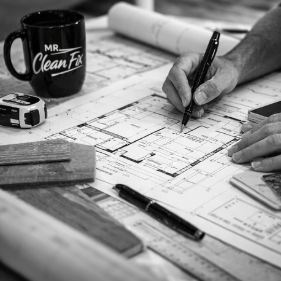
What Happens Behind the Scenes of a Remodeling Project
When homeowners picture a remodeling project, they usually imagine the exciting parts — demolition day, new cabinets arriving, fresh paint going on the walls, and the final reveal.
But what most people don’t see is everything happening behind the scenes to make that transformation possible.
At Mr. Clean Fix, a huge portion of our work happens before a single tool even comes out of the trailer. A successful remodel isn't just construction — it's planning, coordination, and problem-solving every step of the way.
Let’s pull back the curtain and show you what really goes on behind the scenes of a remodeling project.
1. The Planning Phase
Before we start building, we spend time making sure everyone is on the same page.
This includes:
• Meeting with the homeowner
• Understanding goals and budget
• Measuring and documenting the space
• Discussing materials and layout
• Identifying potential structural or layout challenges
This phase helps prevent surprises later. A good contractor doesn’t just start swinging a hammer — we make sure there’s a clear plan first.
2. Material Selection and Ordering
Many materials have lead times that homeowners don’t always expect.
Cabinets, flooring, tile, fixtures, and specialty items often need to be ordered weeks in advance. Part of our job is helping schedule the project around when those materials will arrive.
Behind the scenes we are:
• Checking product availability
• Coordinating deliveries
• Confirming measurements
• Making sure everything will fit and install properly
Getting this right keeps the project moving forward without unnecessary delays.
3. Scheduling and Coordination
A remodeling project is a bit like a puzzle. Different pieces need to happen in the right order.
For example:
Demo
Framing or structural changes
Plumbing and electrical
Insulation and drywall
Flooring and cabinets
Trim, paint, and finishes
If one step is delayed, it can affect everything that follows. Behind the scenes we’re constantly adjusting schedules and coordinating the next phase of work so the project stays on track.
4. Problem Solving (Because Every Remodel Has Surprises)
One thing we’ve learned from years in the field is that every house has a story.
Sometimes we open a wall and find:
• Old plumbing that needs replacement
• Wiring that isn’t up to code
• Hidden water damage
• Structural framing that needs correction
These aren’t things homeowners see during the planning stage, but they’re common in remodeling work. A big part of our job is solving these problems quickly while keeping you informed about the best path forward.
5. Communication with the Homeowner
Good communication is what keeps remodeling projects stress-free.
Behind the scenes we’re often:
• Updating homeowners on progress
• Discussing decisions that come up during construction
• Adjusting timelines if needed
• Making sure expectations stay clear on both sides
A remodel works best when the contractor and homeowner operate as a team.
6. The Final Details
The last stage of a project often takes the most patience.
This is when we focus on:
• Final trim work
• Touch-up paint
• Fixture installation
• Adjustments and fine-tuning
These details are what turn a construction site into a finished space you can enjoy every day.
The Truth About Remodeling
From the outside, a remodel can look like a fast transformation. But behind every successful project is a lot of planning, coordination, and experience.
When done right, the behind-the-scenes work is what keeps the project running smoothly and delivers a finished result that lasts for years.
At Mr. Clean Fix, we believe the best remodeling projects are built on clear communication, careful planning, and quality workmanship from start to finish.